Comic: Holly's Hives Won't Go Away
Chronic spontaneous urticaria can be more than a nuisance

Image | Text/Dialogue |
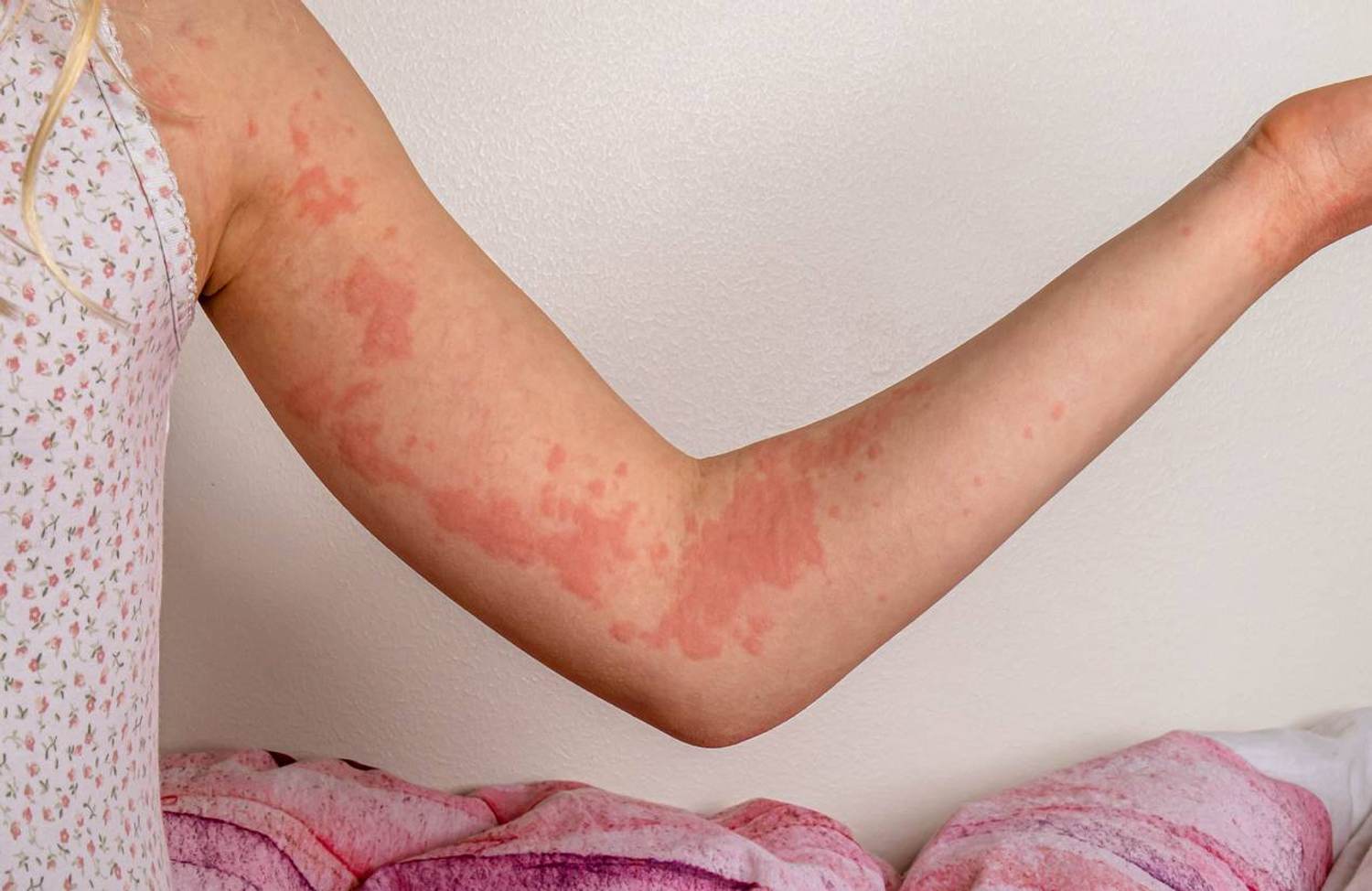
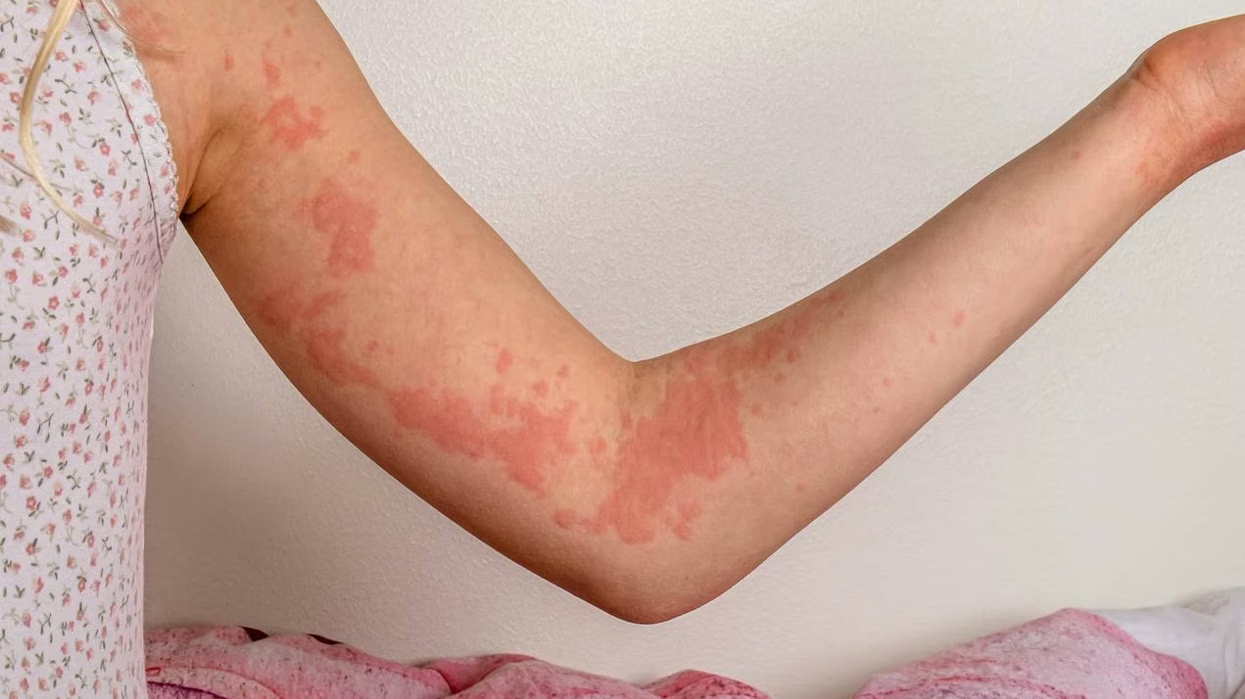
Holly and her husband are in their bedroom, getting dressed for an evening out. Holly stands in front of the mirror in a dress, frowning. Her arms are covered in red blotches. | Holly: I wish we didn’t have to go tonight. I feel so self conscious with these hives all over my body, and it’s getting harder to hide them. Husband: Maybe you should see a doctor. It’s been more than six weeks, and they don’t seem to be going away. You’re not sleeping well, you’re constantly itching … . |
Holly is turned toward her husband, talking | Holly: You’re right, they’re really starting to get to me. I can’t focus at work and my self-esteem has never been lower. I’ll make an appointment with Dr. Chavez. |
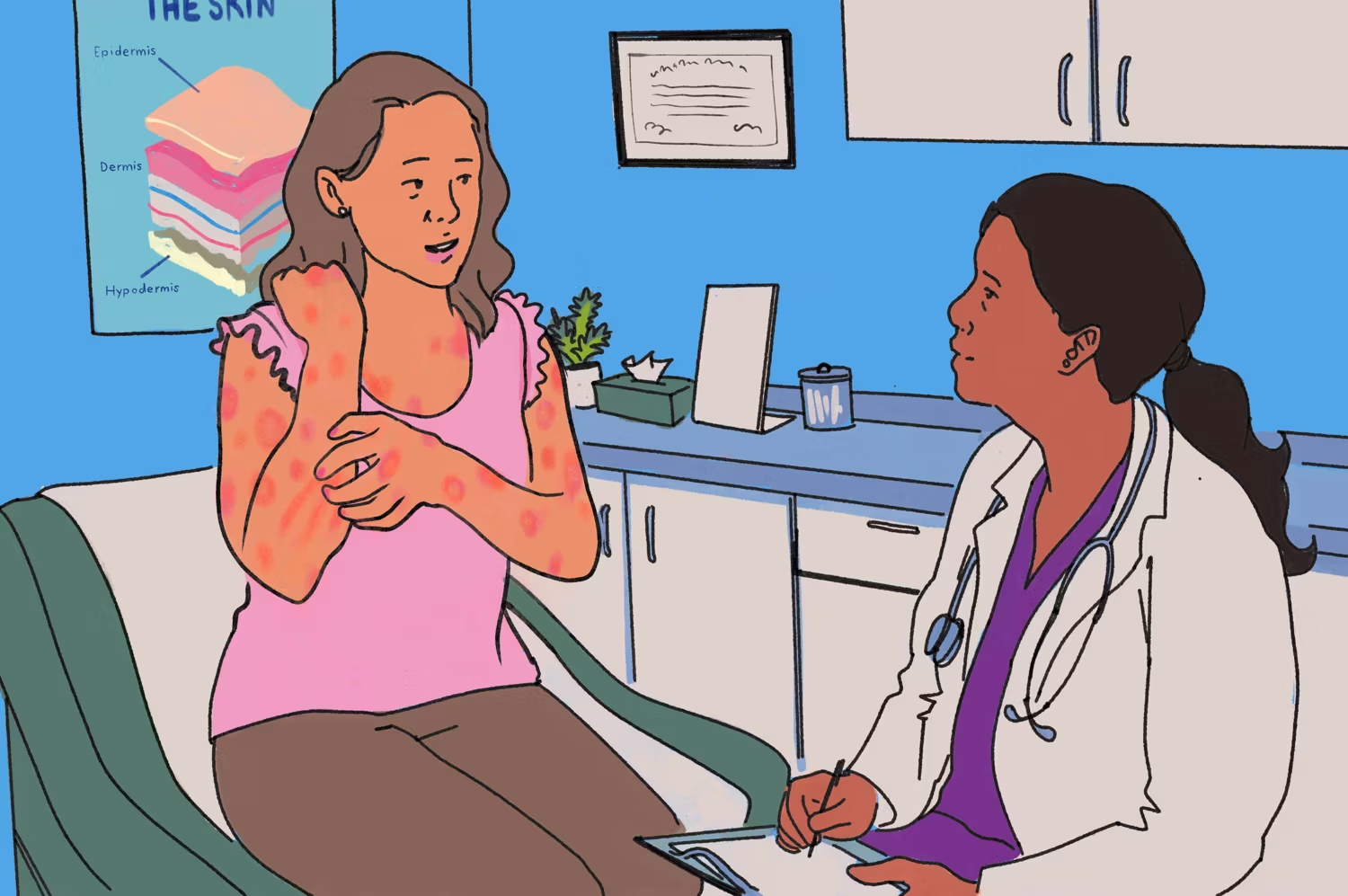
Heloise in a doctor’s office, talking to her doctor (female, Latina) | Holly: Thanks for seeing me, Dr. Chavez. These hives just came out of nowhere. I thought they’d go away on their own, but they’re really starting to affect my quality of life. Dr. Chavez: It sounds like you’re dealing with chronic spontaneous urticaria, also known as chronic hives. |
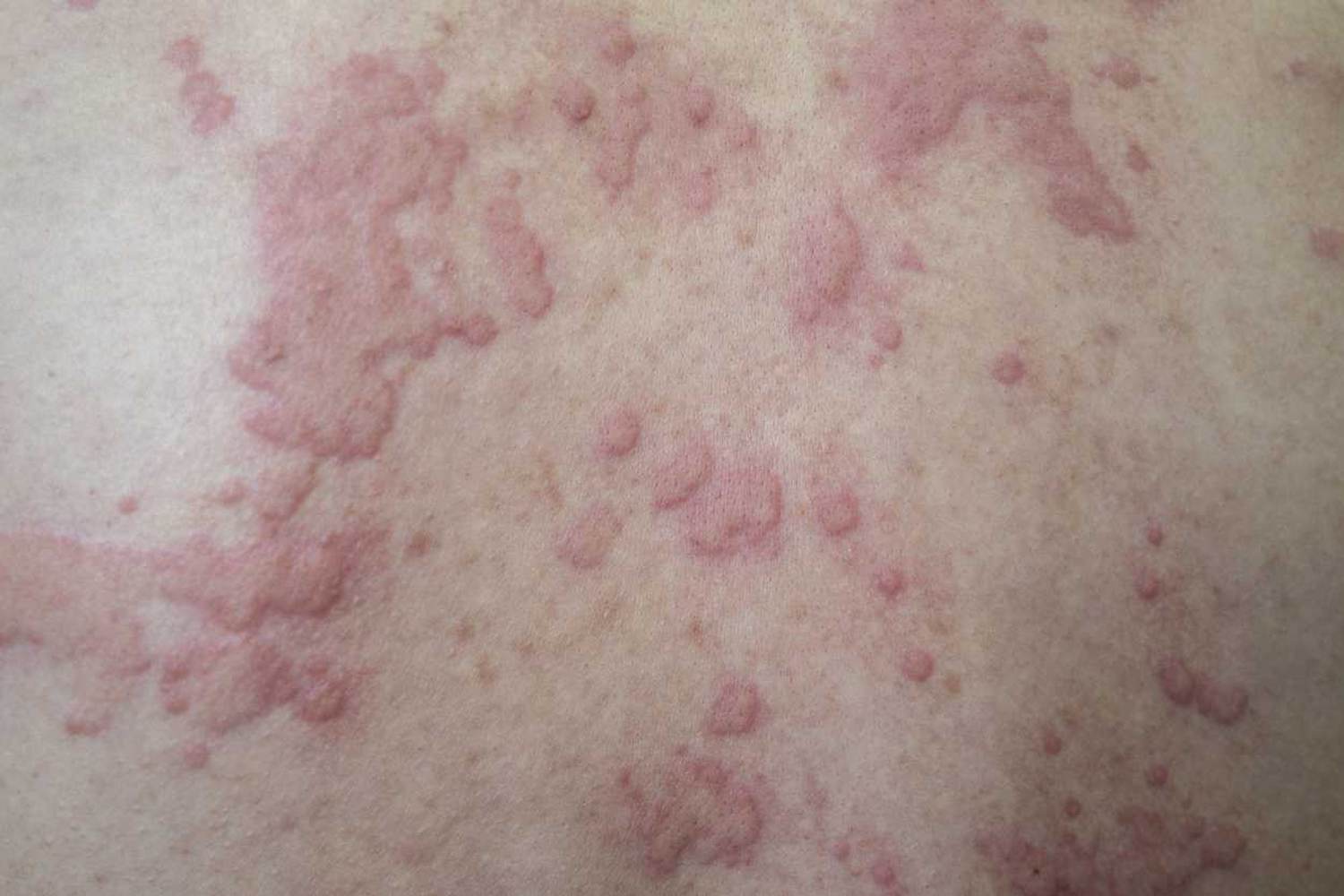
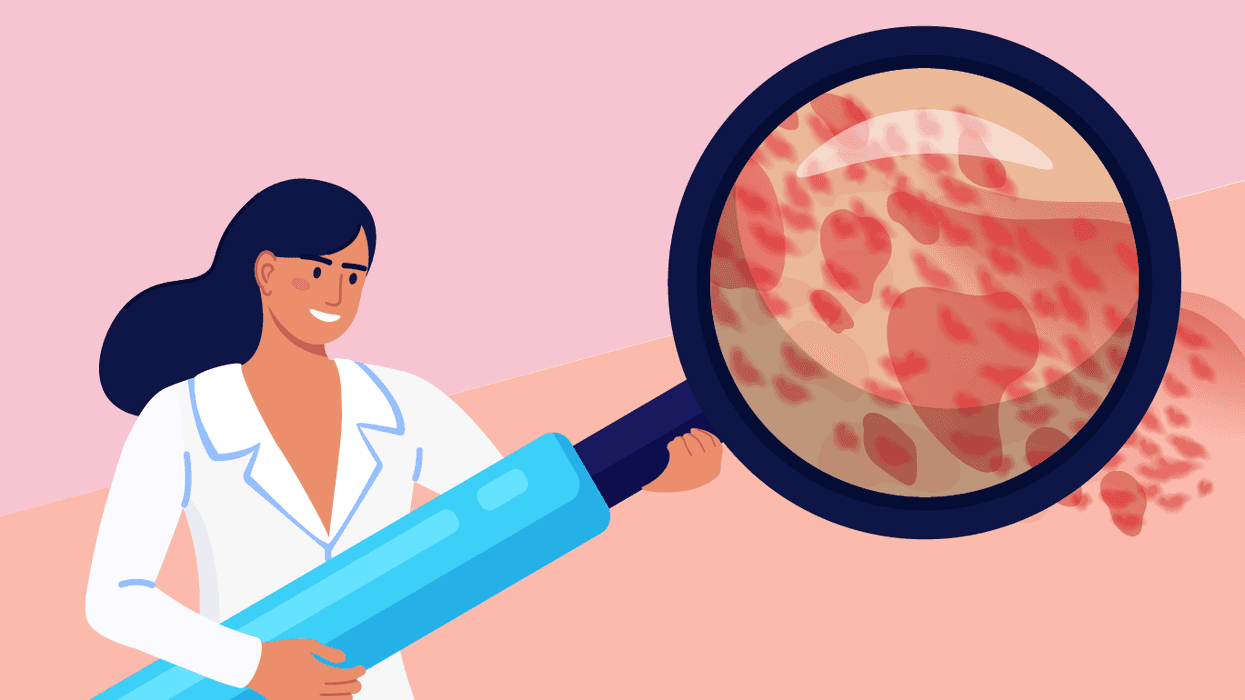
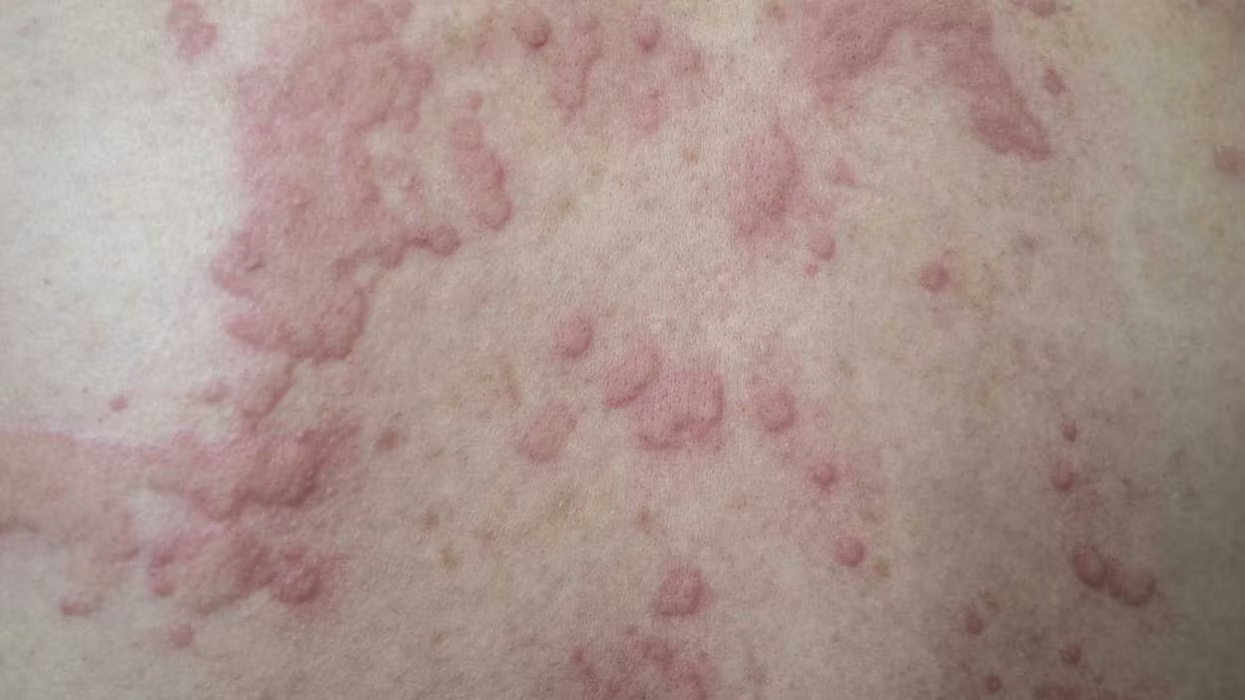
Dr. Chavez talking Graphic: Chronic = lasts more than 6 weeks Spontaneous = has no clear cause Urticaria = medical term for hives | With CSU, hives seem to come out of nowhere, last six weeks or longer and come back again and again. They can be intensely itchy, cause painful facial swelling, and generally make a person miserable. |
Holly and Dr. Chavez talking | Holly: That’s for sure! What causes them? Dr. Chavez: We don’t know for sure, but it’s linked to type 2 inflammation, an overactive immune response that causes swelling. |
Dr. Chavez talking | The good news is that both CSU and type 2 inflammation are treatable. |
Holly and Dr. Chavez talking | Heloise: That is good news. What are the treatment options? Dr. Chavez: We’ll start by trying medicines like antihistamines to help with the itching and swelling. |
Close up of Dr. Chavez talking | Dr. Chavez: If those don’t work, I may refer you to an allergist. They may suggest drugs called biologics or immunosuppressants to help keep your body from attacking itself. |
Holly and doctor talking | Holly: How long before I start to feel better? Dr. Chavez: It can take time to find the right medicines and for them to start working. It may be only a few weeks, or a while longer. |
Doctor handing a prescription to a smiling Holly | Dr. Chavez: You’ve already taken a big step by coming to see me. The sooner you start treatment, the sooner you can get back to your normal life. Holly: Thank you so much! |
Holly and her husband are out on a date, dancing. She’s wearing a sleeveless dress and her skin is clear. | Holly: I finally feel comfortable in my skin again. I’m so glad I went to the doctor instead of toughing it out. Husband: Me too! Now let’s take another spin around the dance floor. |
This resource was created with support from Regeneron and Sanofi.






Support Our Mission