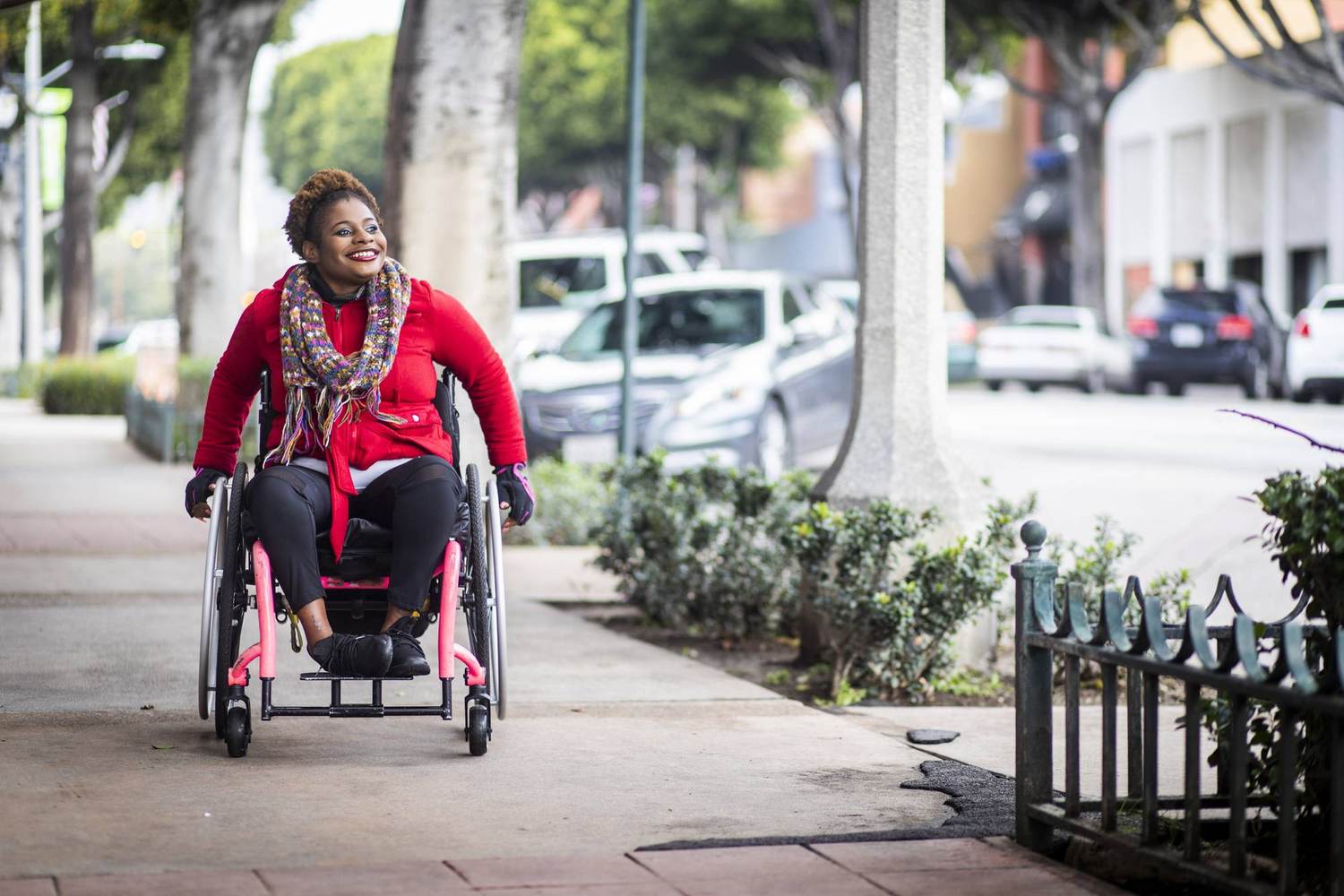
Women's Health Technology Is Becoming More Accessible
These four innovations are making women's health products more inclusive for people with mobility, hearing, vision and sensory challenges

Brittany Barreto, Ph.D., is a podcaster, an entrepreneur, and a molecular and human geneticist. (In other words, she’s really smart.) Read her column here each month to learn about what’s happening in the world of technology and innovation in women’s health.
My sister works as an emergency veterinary technician, where every shift is filled with barking dogs, beeping medical equipment, ringing phones and anxious pet owners. She also has ADHD, and all that noise can quickly become overwhelming. The constant sounds make it harder for her to think clearly and can even trigger anxiety.
Being the helpful sister that I am, I bought her a pair of Loop earplugs last year. Unlike traditional earplugs that block out sound completely, they lower background noise while still allowing her to hear conversations and alarms. Now she wears them at work and often at home with her energetic 5-year-old son. She says they help her stay calmer and more focused and feel less overstimulated throughout the day.
Her experience made me realize how important accessibility technology is. Accessibility tech includes products designed for people with limited hand mobility, hearing loss, vision impairment, chronic pain, sensory sensitivities and other conditions that can make everyday tasks more difficult.
For women, these challenges often show up in areas that many health products haven't been designed to address, like managing a period or softening the sensory overload that can come with parenting. Fortunately, a growing number of innovators are rethinking women's health products with accessibility in mind.
Here are four technologies that are helping make women's health more independent, inclusive and easier to navigate for people of all abilities.
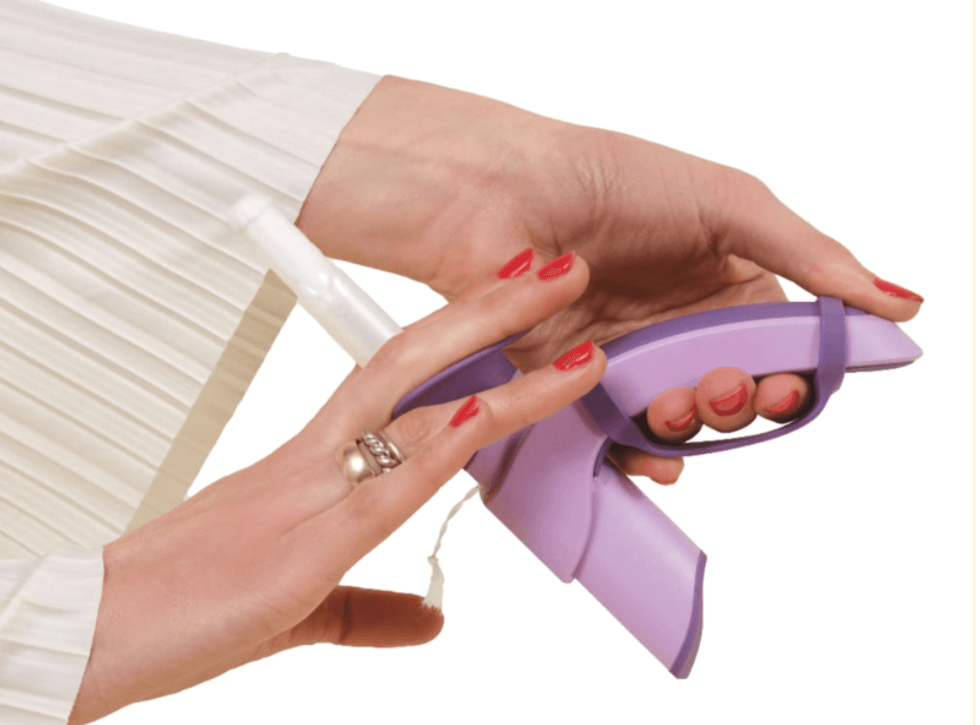
(Photo/Courtesy TINA)
For many menstruators, inserting a tampon is a routine part of their menstrual cycle. But for people with limited hand strength, reduced wrist mobility or conditions that affect dexterity, it can be frustrating, painful or even impossible.
That's where TINA, a tampon insertion accessory, comes in.
TINA clips onto the applicator of many popular plastic applicator tampons to create a larger, ergonomic handle that's easier to hold and control. Users insert the tampon by pulling the handle toward their body. The device is designed to help position the tampon at the correct angle and depth while requiring less grip strength and wrist movement.
The device may be helpful for people living with conditions such as arthritis, spinal cord injuries, cerebral palsy, stroke, multiple sclerosis or other conditions that affect hand function. It may also benefit people with larger body sizes or chronic pain conditions that make reaching or positioning a tampon more difficult.
Because it’s considered a menstrual accessory rather than a medical device, TINA is not FDA-cleared. It also isn't generally eligible for HSA or FSA reimbursement, though coverage may vary by plan or retailer.
As more companies embrace inclusive design, products like TINA show that sometimes the most meaningful innovations aren't entirely new products. They're thoughtful improvements that make everyday healthcare accessible to more people.
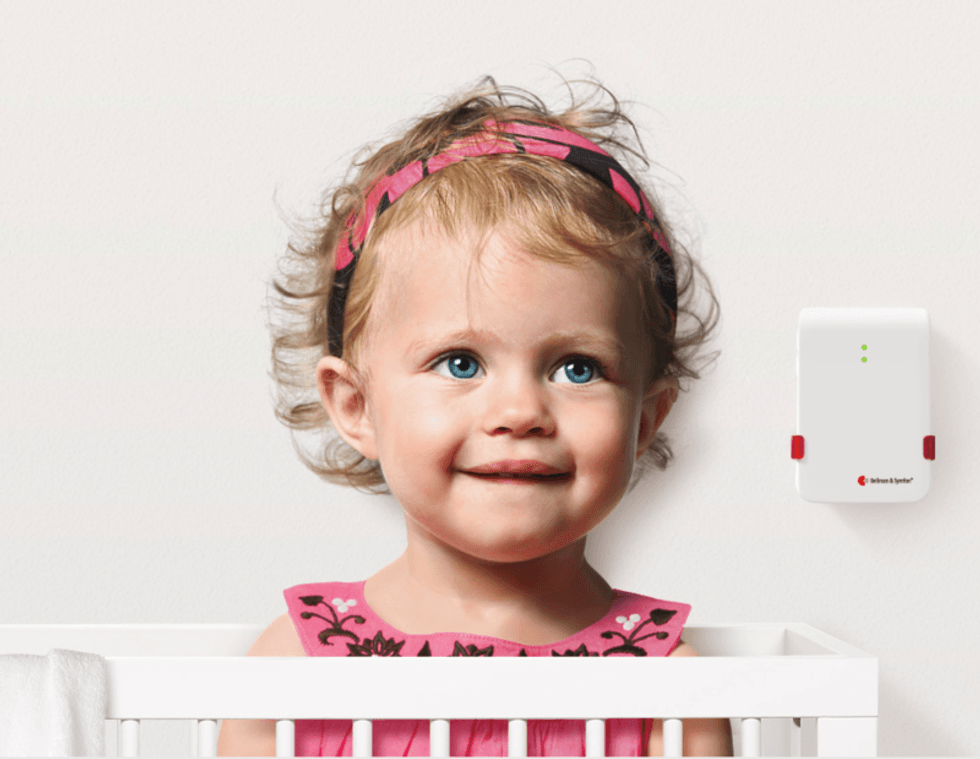
(Photo/Courtesy Bellman)
One of the first purchases many expecting parents make is a baby monitor. But traditional monitors are designed for parents who can hear their baby cry. For parents who are deaf or have hearing loss, that simple device may not provide the reassurance they need.
The Bellman Visit Baby Cry Alert System was created with accessibility in mind. Instead of relying on sound alone, the system detects when a baby cries and wirelessly sends alerts to compatible Bellman Visit receivers. Depending on the receiver, parents can be notified through flashing lights, strong vibrations or both.
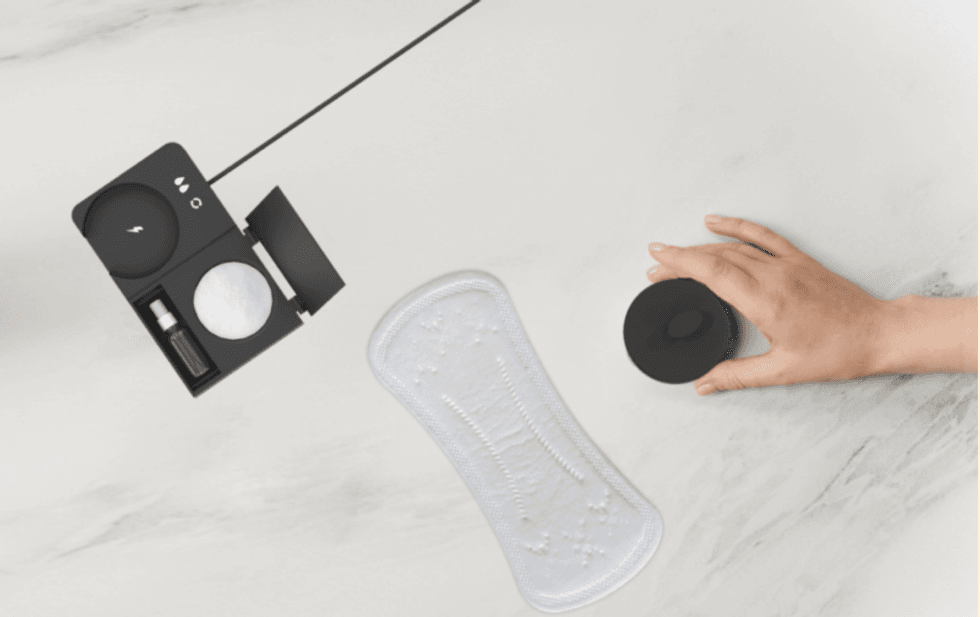
(Photo/Courtesy FlowSense)
For many people, knowing when a period has started is as simple as spotting blood on their underwear or toilet paper. But for someone who’s blind or has low vision, that moment isn't always obvious — and, since nearly 4 million women in the U.S. live with a visual disability, this means a lot of women might be living with uncertainty when it comes to their period. According to a 2020 study, most visually impaired women determine that their period has started when they notice the smell of blood and they know that it’s stopped when their pads no longer feel wet. Additionally, many manage their period by asking their mother, friend, husband or sibling to check for blood in their bed, on their clothes, or in the toilet. That loss of privacy and independence is something most menstrual products aren’t designed to address.
FlowSense aims to change that.
Currently in development, FlowSense is a patented device designed to detect period blood and alert users through vibrations and audio cues. The noninvasive system uses disposable pH testing strips to identify period blood, helping users know when their period begins and ends without relying on visual confirmation.
FlowSense is not yet commercially available and is currently accepting people to its waitlist while the technology continues to be developed. Because it has not yet launched, it has not received FDA clearance, and HSA or FSA eligibility has not been established.
Even so, FlowSense highlights an important shift in women's health innovation, designing menstrual care to be more accessible for everyone.
Parenting can be noisy. From crying babies and barking dogs to toys that sing and children who seem to have endless energy, the constant sounds can become overwhelming. For some moms, especially those with ADHD, autism, anxiety or other sensory sensitivities, that overload can make it difficult to focus, stay calm or even enjoy everyday moments with their families.
That's where Loop Engage Earplugs come in.
Unlike traditional earplugs that simply block out sound, Loop Engage earplugs are designed to reduce background noise while still allowing users to hear conversations, alarms and other important sounds. They lower noise levels by about 16 decibels, taking the edge off loud environments without completely disconnecting users from what's happening around them.
Although Loop markets these earplugs to parents, they can also benefit anyone with sensory processing differences, migraine disease, or anxiety, as well as anyone who finds noisy environments overstimulating.
Loop Engage earplugs are considered consumer wellness products, not medical devices, and therefore are not regulated by the FDA. Earplugs may be FSA- or HSA-eligible if a letter of medical necessity (LMN) from a licensed healthcare provider is provided.
Products like Loop highlight an important idea that accessibility isn't always about helping people do something they can't do. Sometimes it's about removing barriers that make everyday life more stressful, allowing people to participate more comfortably and confidently.
The products featured here show what's possible when innovators start by asking a different question, “How can we make this women’s health product work for more people?”
Whether it's helping someone insert a tampon independently, giving a mom with hearing loss confidence that they'll know when their baby is crying, allowing a person with vision loss to manage their period with greater privacy, or helping women with neurodivergence reduce sensory overload, these technologies are about more than convenience. They're about independence, dignity and equal access to care.
As the women's health technology industry continues to grow, accessibility shouldn't be a niche category or an optional feature. It should be part of every conversation about innovation.
The information about products and/or services in this column does not constitute any form of endorsement or recommendation by HealthyWomen. Links are provided as a convenience and for informational purposes only. This column may occasionally cover companies in which Brittany Barreto is an investor.








Support Our Mission