
Search
Latest Stories
Newsletter Sign-Up
Newsletter
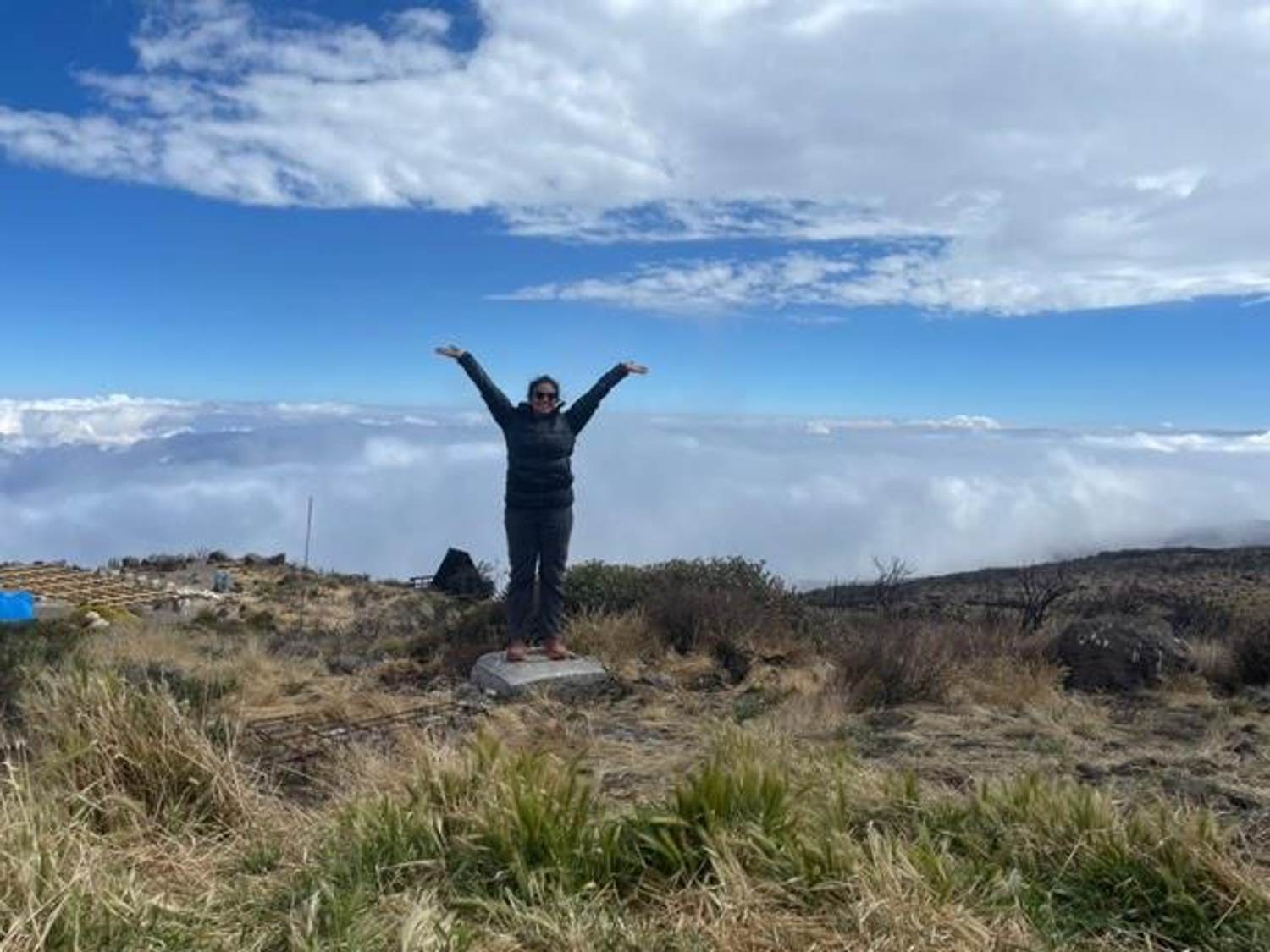
It was three days before my flight to Tanzania.
I had just arrived in Charlotte, North Carolina, where I would spend the next few days filming Erika Bogan, who is disabled, as she prepared for our journey to the top of Kilimanjaro at 19,341 feet above sea level.
After she picked me up from the airport, we filmed for a few hours. Then, before I knew it, it was time to go to bed.
I’d been dreading this moment. As the hours went by that day, I could feel my anxiety taking hold. And just as I suspected, practically speaking it into existence, sleep escaped me.
I closed my eyes, praying my exhaustion from the cross-county trip would overtake my mind, forcing me to sleep. But the anxiety grasped onto my brain and body like a straitjacket. Questions swirled in my mind like a leaf caught in a whirlpool. Would I survive this climb? Would I be able to sleep on the mountain? Would I let my team down and be unable to film?
I felt so hopeless.
Just before midnight, I emailed my therapist. I’d begun seeing her six months earlier to prepare for this daunting adventure.
“It’s my first night away,” I wrote. “Only in North Carolina — and I’m hysterical and can’t sleep. I’m so worried and feel like I’ve pushed my limits too far with this climb.”
I tossed and turned until the wee hours of the morning.
This was my reality for the next five days before climbing the tallest freestanding mountain in the world. I worked tirelessly filming all day and spent my nights awake and crying.
It got so bad that I considered abandoning my team and flying home twice before we started the climb — once after we arrived in Tanzania. The night before the climb began, my anxiety was the worst it had ever been. I sat in the bathroom for hours and cried hysterically to my mother over FaceTime before finally taking medication to sleep.
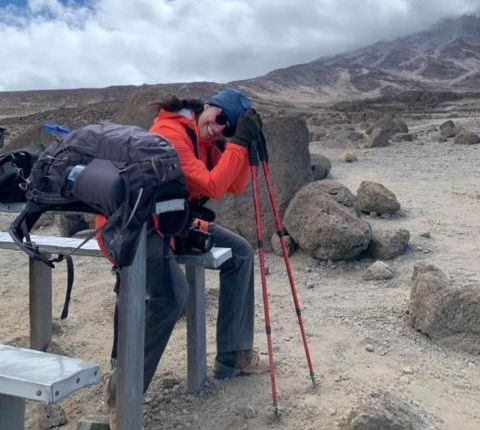
The challenges I faced are because I have generalized anxiety disorder, which means that sometimes my anxiety gets so bad it interferes with my life.
If you ask my mother, I've had anxiety since I left the womb. But it didn't start affecting my day-to-day until I began working in the news industry. It started at my first job as a production assistant at a radio station. There, they "shift worked" me: I would go from working a day shift to a night shift to an overnight shift. The inconsistent schedule made it difficult to sleep.
My circadian rhythm was off, and so was my life.
I began taking anxiety medication — which helped — but even after I left that job and got a more consistent schedule, the anxiety continued to haunt me.
Now, 10 years later, it still does. I've learned to live with it, but this sleep anxiety occasionally creeps up. Sometimes it happens at home, but it typically happens when I’m traveling and sleeping outside my comfort zone.
Knowing that is why I sought therapy earlier this year. I wanted to prepare myself physically and mentally as best I could for the most challenging feat of my life: climbing to the rooftop of Africa.
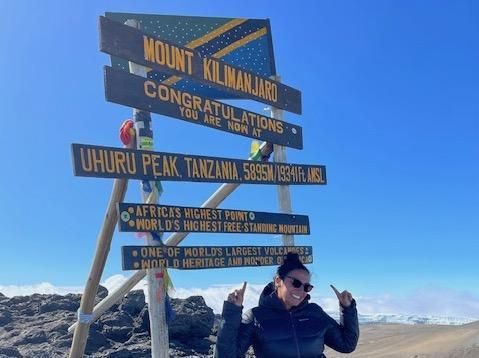
And being well-prepared physically and mentally wasn't just for me. I didn’t want to let Erika down. She was paralyzed in a domestic violence incident in her 20s and spent two decades with suicidal ideation, severe depression and intense anxiety until she began competing in obstacle course racing.
Through this film, she wanted to show people that despite the hardships and turbulence of life and their anxieties, there’s always a reason to keep going.
Erika's words, actions, perseverance and grit echoed in my head, and I remembered the healthy habits I'd built over the previous few months. Some of those habits included breathing exercises, stretching and journaling. While I couldn't use everything I'd learned, breathing and stretching helped immensely to calm my body and mind.
My therapist also taught me visualization techniques to alleviate my anxiety.
During those problematic nights, I used some of those techniques. I imagined a river where I placed all my hardships and fears on a boat and watched it drift away. I thought of my favorite, most comfortable place in the world: my home, on my comfortable couch with my loving husband and two lively and hilarious kitties.
Having all of these tools helped my journey of overcoming my bout of anxiety as I climbed Kilimanjaro. Even better, I eventually found peace and solace during the adventure. My anxiety melted away. I made it to the peak.
And now, the most powerful tool in my anxiety toolbox is that I survived climbing Mt. Kilimanjaro with generalized anxiety disorder.
Have a Real Woman, Real Stories of your own you want to share? Let us know.




Popular
1
2
3

4
5
6
Support Our Mission
Keep Trusted Women’s Health Information Free
Your donation ensures every woman continues to have access to credible health content.More Stories

Everything you need to know about women’s health — in one place.
