
Addison’s Disease 101
This rare condition affects mostly women. Here’s what you need to know about symptoms and risk factors for the disease.

April is Adrenal Disease Awareness Month.
You probably don’t think much about your adrenal glands. They’re small hormone-releasing organs that sit at the top of the kidneys. But don’t mistake their smallness for weakness: They play a big role in your health.
The adrenal glands produce hormones including cortisol, aldosterone and sex hormones.
Cortisol is crucial because it helps the body respond to stress. It also helps maintain blood sugar and regulate blood pressure among other important things. Aldosterone helps regulate sodium, water and potassium balance in the blood. And sex hormones — estrogens and androgens — affect your sex drive.
So, you can see how damage to the adrenal glands may cause a wide range of different problems. This is the case for people living with Addison’s disease, a rare condition that affects mostly women.
Addison’s disease, also called primary adrenal insufficiency, is a chronic condition where the adrenal glands don't produce enough hormones — mainly cortisol and aldosterone.
Severely low levels of cortisol and aldosterone can cause life-threatening complications, including sudden drops in blood pressure and organ failure.
Addison’s disease is caused by damage to the outer layer of the adrenal glands, which is responsible for hormone production.
For most people, the damage is caused by the immune system mistakenly attacking the adrenal glands, which means it’s an autoimmune condition.
But damage to the adrenal glands can also be caused by:
Symptoms of Addison’s disease usually develop slowly over time and can be non-specific, which can make getting a proper diagnosis more difficult.
Symptoms of Addison’s disease can include:
Symptoms may come and go, and many people with Addison’s disease often don’t know they have the condition until a stressor, such as an illness or infection, triggers symptoms.
A severe lack of cortisol can cause sudden, life-threatening complications, including very low blood pressure and heart problems, which is called adrenal crisis. Adrenal crisis is a medical emergency and should be treated immediately. People with Addison’s disease should carry a medical ID bracelet with the type of medication and dosage needed during an adrenal crisis.
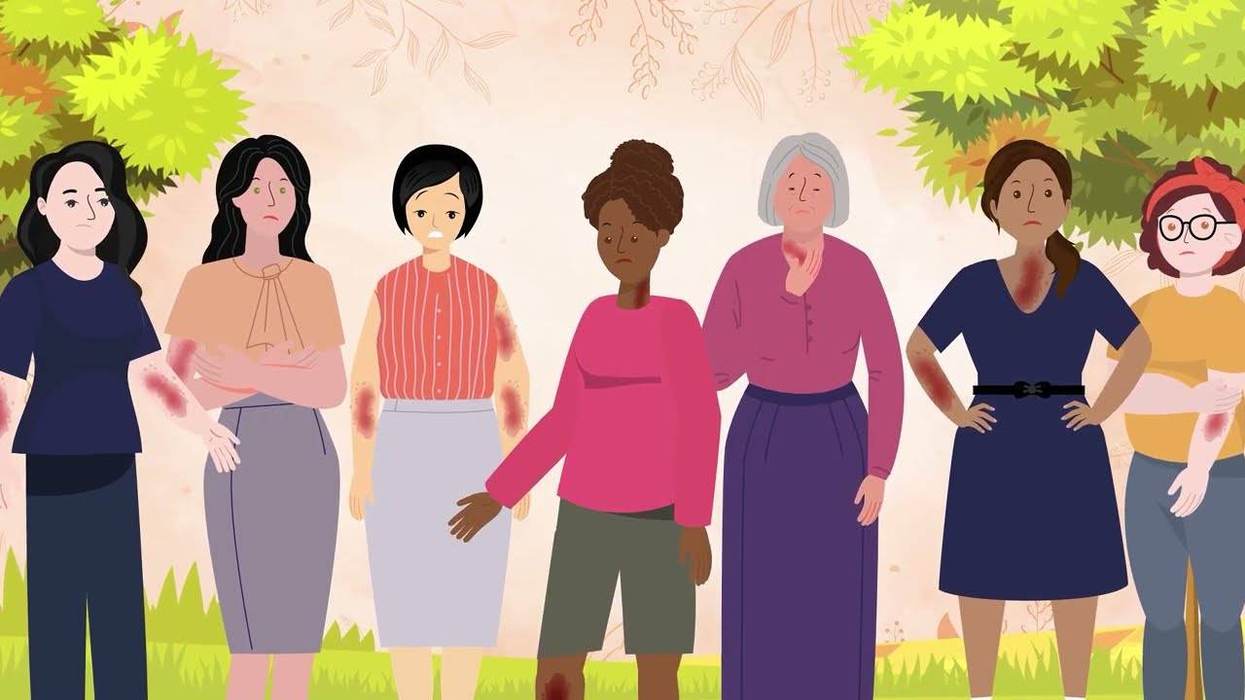
Most adults diagnosed with Addison’s disease are between the ages of 30 and 50 — and the disease is more common in women.
Having certain other autoimmune diseases also increase the risk for Addison’s disease. These can include:
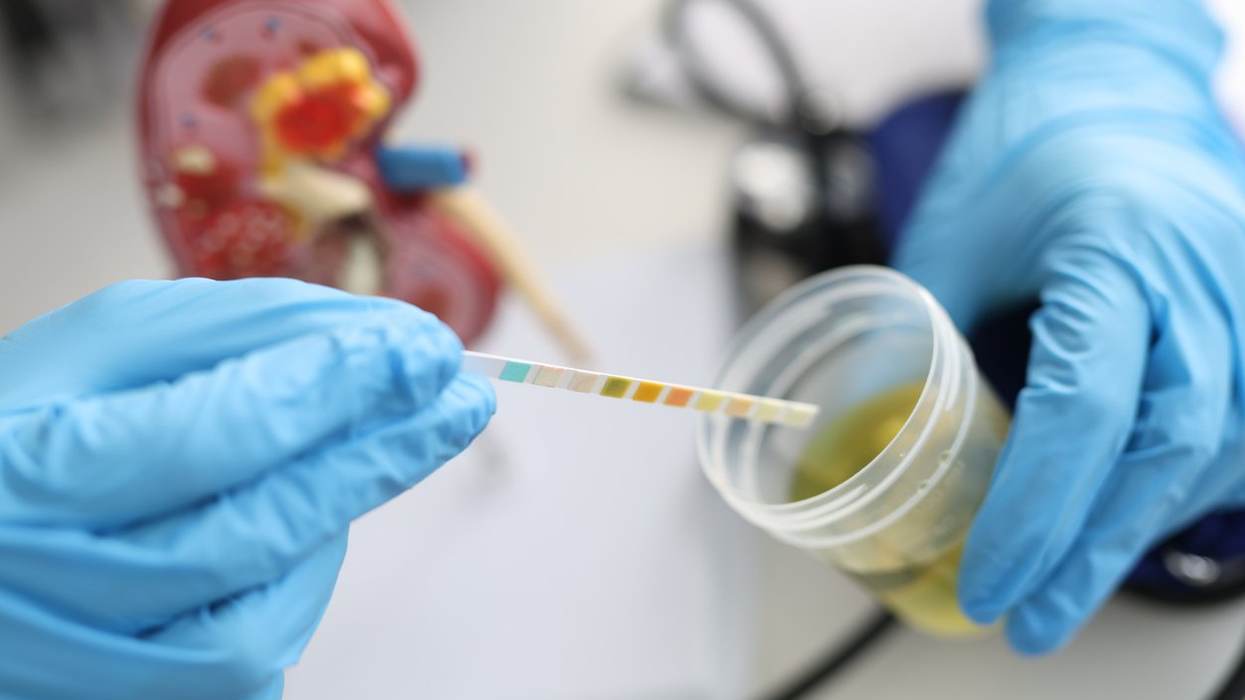
There are different tests and imaging that can help your healthcare provider (HCP) diagnose Addison’s disease.
Treatment for Addison’s disease usually includes two medications to control symptoms:
Your HCP may increase the dosage of these medications to help prevent adrenal crisis during stress like surgery or if you have an infection.
Hydrocortisone injections are also prescribed as emergency medications for adrenal crisis.
Symptoms of Addison’s disease can mimic many other health conditions, so if you think you may have the disease, talk to your HCP about getting tested. An early diagnosis can help you get your hormone levels in check and adrenal crisis at bay.







Support Our Mission