I Spent 40 Years Looking For Answers to My Pain. I Didn’t Know I Had a Rare Genetic Disorder.
Through genetic testing, I learned I had primary hyperoxaluria, or PH, a rare condition that caused my kidneys and liver to fail

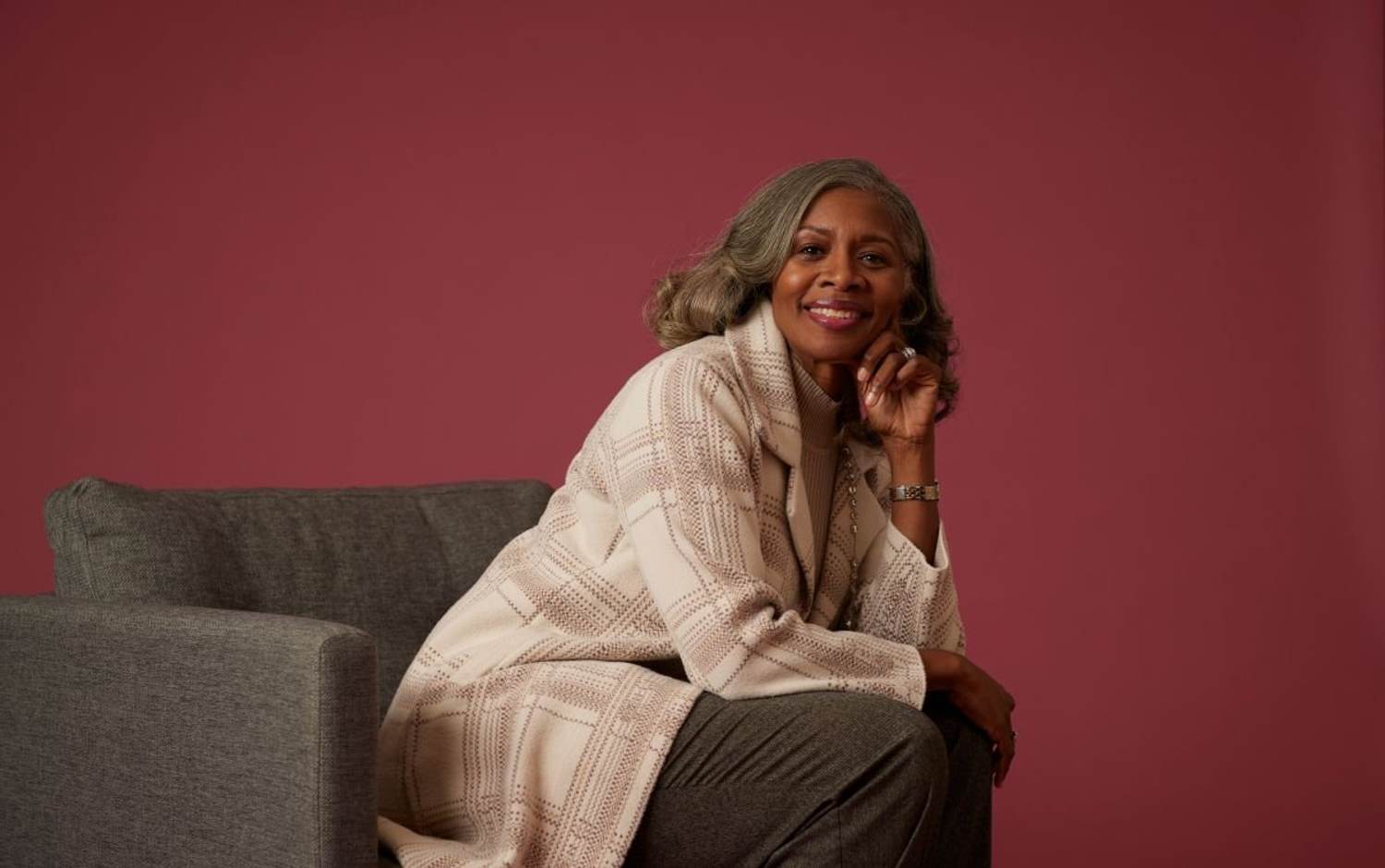
As told to Shannon Shelton Miller
My own story really starts with my mom’s health journey. She had been very ill as a child and no one could figure out what was wrong with her. In March 1979, she underwent one of the first kidney transplants completed in the United States.
Her healthcare providers (HCPs) were shocked when she got pregnant not long after the transplant. Many people in her life were afraid the pregnancy would kill her, but my father eventually took her from our home near Baton Rouge, Louisiana, to Houston, to see her kidney transplant doctor, who eventually became my godfather. He treated her until she successfully gave birth.
For almost two years, everything went very well for all of us, but that changed when I passed my first kidney stone at 18 months old. When I was 4, I had my first lithotripsy — non-invasive shockwave therapy — to break up the kidney stones that I continued to get for the next four decades. I’d eventually have 47 lithotripsies over the course of my life, and the older I got, the more my kidneys and bladder hurt. I also had excruciating joint pain and overall body aches.
My parents were very proactive throughout my childhood, taking me to see some of the top doctors at teaching hospitals around the country, but we never got any answers. I did the same as an adult when my symptoms kept getting worse, but the HCPs I saw would tell me it could just be my “nerves” or “anxiety.” Even worse was when they accused me of being drug-seeking when I’d come to the hospital in pain. I was told over and over just to drink a lot of water or change my diet. But, no matter what I did, I’d still get kidney stones and infections. By the time I was in my 30s, I’d taken so many oral antibiotics that I had to have a port installed to give myself IV antibiotics because the oral ones had stopped working.
Despite my health issues, I still was able to get pregnant, and my husband and I have two children, a 19-year-old son and a 15-year-old daughter.
But my kidneys eventually failed — and when that happened, it happened quickly. One week, I wasn’t feeling well and I couldn’t push through it like I’d made my body do many times before. I also had a fever despite being on strong antibiotics. My husband took me to see my HCP, and my lab work showed I was in complete kidney failure, even though my labs had been fine a week earlier. We were told to go to the emergency room immediately.
For the first time in my life, I finally met with a nephrologist — a kidney specialist. I'd always seen urologists (urinary tract specialists) before, since they’re the ones who deal with kidney stones, and no one I’d seen had ever looked at my kidneys as the potential root of the problem. The nephrologist was also the first person to recommend I have genetic testing. If I had known that was an option, I would have asked for it a long time ago.
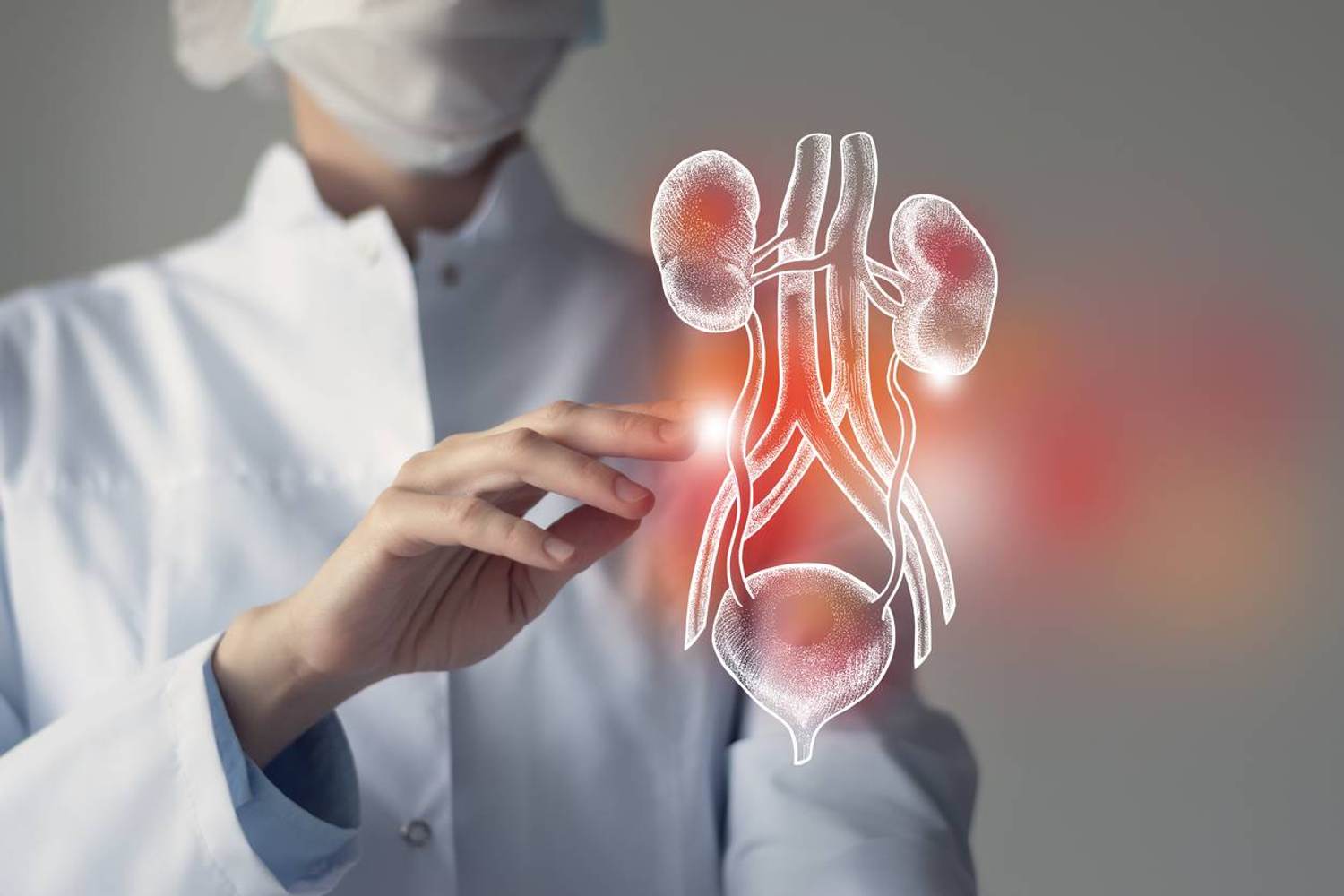
The test showed I have an ultra rare disorder called primary hyperoxaluria (PH) that causes oxalate — a mineral that’s in many foods — to build up in your kidneys or other organs. On top of having this ultra rare disorder, I have the most serious type (Type 1) which is the hardest to treat.
People with PH1 make very little or even none of the enzyme that processes oxalate. And because we don’t have enough of those enzymes, the buildup can contribute to the development of kidney stones, organ disease and even total organ failure.
My nephrologist told me all the low-oxalate diets I’d tried wouldn’t have made a difference because my body couldn’t break oxalate down at all. I had oxalate building up throughout my body. My liver couldn’t process the oxalate, and it led to my kidneys failing as well. I went on dialysis until I received a liver and kidney transplant in April 2024.
Learning I had PH answered so many questions I had about my life, and my mother’s. Even after her transplant, she was very sick throughout my childhood and died when she was just 47.
I was angry that it took so long to find a HCP who truly tried to find out what was wrong. Although PH can’t be cured, it can be treated, and earlier treatment could have given me a better quality of life and less pain for so many years. Before my diagnosis, I was close to having a mental breakdown thinking I was doing something wrong and wondering why I wasn’t getting better.
After getting my diagnosis, I immediately registered with the Oxalosis and Hyperoxaluria Foundation (OHF) for support, and my goal now is to be a voice to help others so they don’t experience what I went through. I especially want to help women be heard and not have our symptoms dismissed as just anxiety or being all in our head.
I think back to how my parents did everything they could to find an answer for me. My mom especially knew there was something more going on. My belief system tells me that my parents are looking down on me from Heaven and they know what’s been happening, but to be able to have shared that with them before they died would have been wonderful.
I’d tell them I never stopped fighting. I finally figured it out.
Resources
Oxalosis and Hyperoxaluria Foundation (OHF)
This educational resource was created with support from Alnylam.
Have your own Real Women, Real Stories you want to share? Let us know.
Our Real Women, Real Stories are the authentic experiences of real-life women. The views, opinions and experiences shared in these stories are not endorsed by HealthyWomen and do not necessarily reflect the official policy or position of HealthyWomen.








Support Our Mission