
Search
Latest Stories

Newsletter Sign-Up
Newsletter
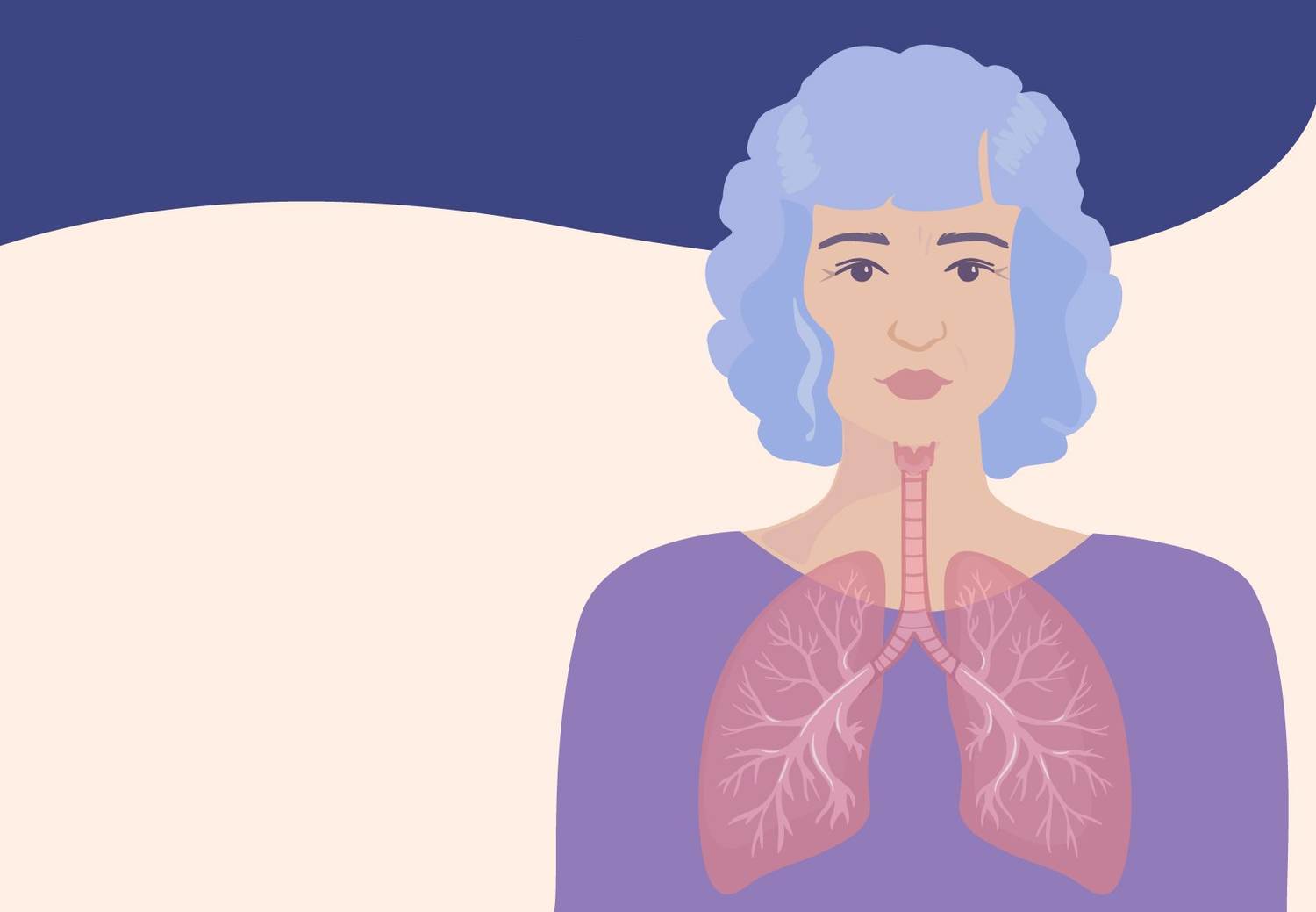
For a long time, chronic obstructive pulmonary disease (COPD) — a progressive lung condition — was thought of as a “man’s disease.” But that’s no longer the case.
“Women are more likely to develop COPD than men,” said Suzette A. Garofano, M.D., clinical director of the COPD Program at NYU Langone Health. “Yet women are less likely to be diagnosed with the disease.”
Underdiagnosis is one reason why it’s important for women to know the signs and symptoms of COPD. Also, women experience COPD differently than men. “In general, women tend to develop COPD at a younger age, be more symptomatic and have lower lung function than men for the same level of tobacco exposure,” Garofano said.
We asked Garofano for more important COPD facts that women need to know.
What is COPD and what conditions fall under the umbrella?
COPD is a chronic lung condition caused by damage and inflammation to the airways and lung tissue. Over time, this damage hinders the ability of air to flow smoothly in and out of our lungs, which then leads to the chronic respiratory symptoms of COPD. The disease is progressive and irreversible.
In the United States, the vast majority of cases of COPD are caused by cigarette smoke. There are basically two types of COPD: chronic bronchitis and emphysema.
People with chronic bronchitis tend to have more of the inflammation and damage in the airways, and this leads to a chronic cough and mucus production. People with emphysema tend to have less airway damage and more lung tissue damage, specifically in the air sacs. People with emphysema tend to have less cough and mucus, but are more often short of breath and have more severe shortness of breath.
In reality, most people with COPD have a little bit of both.
What are the common symptoms of COPD?
The most common symptoms of COPD are shortness of breath, cough, excess production of thick mucus, wheezing and chest tightness. But not everyone with COPD has the same symptoms, and the severity of the symptoms can vary.
How are asthma and COPD different and how are they similar?
Asthma and COPD have several things in common. Asthma tends to develop at a younger age than COPD, but it can develop at any age. Asthma is often caused by allergies and results in a type of inflammation in the airways that's allergic or often called eosinophilic.
COPD is also an inflammatory disease, and while some patients with COPD do have an allergic kind of inflammation, most do not. COPD is more often caused by an inhaled irritant, such as tobacco smoke and cigarette smoke, rather than allergies. And although the medications we use to treat asthma and COPD are very similar, people who have the more allergic kind of inflammation tend to be more responsive to anti-inflammatory treatments, including inhaled corticosteroids.
How does your environment increase your risk of COPD?
There are several environmental factors that can cause or worsen COPD. In addition to a personal history of smoking, secondhand smoke exposure is a cause of COPD.
Certain occupations that expose workers to dust fumes or chemicals or known causes of COPD pollution — both indoor and outdoor pollution — are now increasingly recognized as causes for COPD.
There's a component of outdoor air pollution — a particulate matter called PM 2.5 that’s caused by traffic and industry — that's most often associated with all types of lung disease.
Particulate matter is also indoors, even though we don't think of it as being indoors. It’s more relevant in low- and middle-income countries where women often have a very high rate of COPD from exposure to biomass fuel such as coal and wood used for heating and cooking.
How do genetics play a role in COPD?
The only definite genetic disease that causes COPD is something called Alpha-1 antitrypsin (AAT) deficiency, and it’s the cause of a very small percentage of COPD cases, although every patient with COPD should have their AAT level checked.
Approximately 1 in 4 people who develop COPD never smoked, so there must be other factors that affect a person's likelihood of developing the disease, and there are newer research techniques that have identified numerous genetic variants that are associated with COPD. However, it's not really clear at this point how these variants are involved in the development of COPD or the chances of getting the disease.
What are complications that can arise from COPD?
COPD is associated with many comorbidities. Some of it is due to the common risk factor of smoking, but some other diseases are directly related to the effects of COPD itself. Lung cancer, as we all know, is a result of smoking in most cases, but COPD is also an independent risk factor for lung cancer.
Heart disease is associated with COPD, especially when it’s more advanced. It can lead to heart failure, specifically the right side of the heart, which is the side of the heart that pumps the blood to the lungs. In people with severe COPD who have low oxygen levels, it can cause pulmonary hypertension, which is a serious disease.
COPD predisposes people to getting recurrent respiratory infections. This in turn can lead to scarring of the lungs — something called bronchiectasis. Pulmonary fibrosis is associated with emphysema.
COPD has also been found to be associated with Type 2 diabetes and metabolic syndrome. The link is not entirely clear, but it's probably related to the systemic inflammatory effects of COPD.
Are there lifestyle changes that can help improve COPD symptoms?
The most important lifestyle change is to stop smoking.
When you stop smoking, symptoms such as cough and mucus production can improve fairly quickly.
Exercise is also a very effective way to improve symptoms of COPD. Starting a regular cardiovascular exercise program improves muscle strength so our bodies can more efficiently use oxygen, which in turn reduces shortness of breath.
For people who have more advanced COPD, there are pulmonary rehabilitation programs available. These are medically supervised exercise programs that have been shown to improve shortness of breath, improve quality of life and actually lower mortality from the disease.
What treatments are available for COPD?
The mainstay of treatment for COPD remains bronchodilators, generally administered through inhalers.
In broad terms, we have two types of bronchodilators. Each works using a different way to dilate the airways.
Inhaled corticosteroids are less often used in the treatment of COPD, but can be helpful in people with the allergic type of inflammation.
Over the past few years, two new classes of medications have been shown to benefit COPD, and this has been very exciting because we haven’t had a new class of medicine for COPD in many, many years.
One is a nebulized medication, which has both bronchodilator and anti-inflammatory properties, and studies have shown that it’s effective in improving symptoms in people with COPD.
There are also injectable medications called biologic therapies that are now being used for COPD. These medications have been around for about a decade and have been incredibly successful in people with asthma, and they have now been found to be effective in people with COPD that have the allergic type of inflammation.
It's very exciting, and there's a lot of research into these biologic agents to try to find those that are effective in the larger group of people with COPD who don’t have the allergic type of inflammation.
For people with more advanced COPD, there are invasive interventions and lung transplants for people who are candidates.
This educational resource was created with support from Chiesi.







Stories We Love
1

2

How Air Quality Affects COPD
Apr 09, 2026
3

Women and COPD
Dec 04, 2024
4
Myths vs. Facts: COPD
May 12, 2025
5
COPD 101
May 14, 2024
6
FAQs About COPD
Jul 27, 2026
Support Our Mission
Keep Trusted Women’s Health Information Free
Your donation ensures every woman continues to have access to credible health content.
More Stories






Everything you need to know about women’s health — in one place.