

Search
Latest Stories


Newsletter Sign-Up
Newsletter

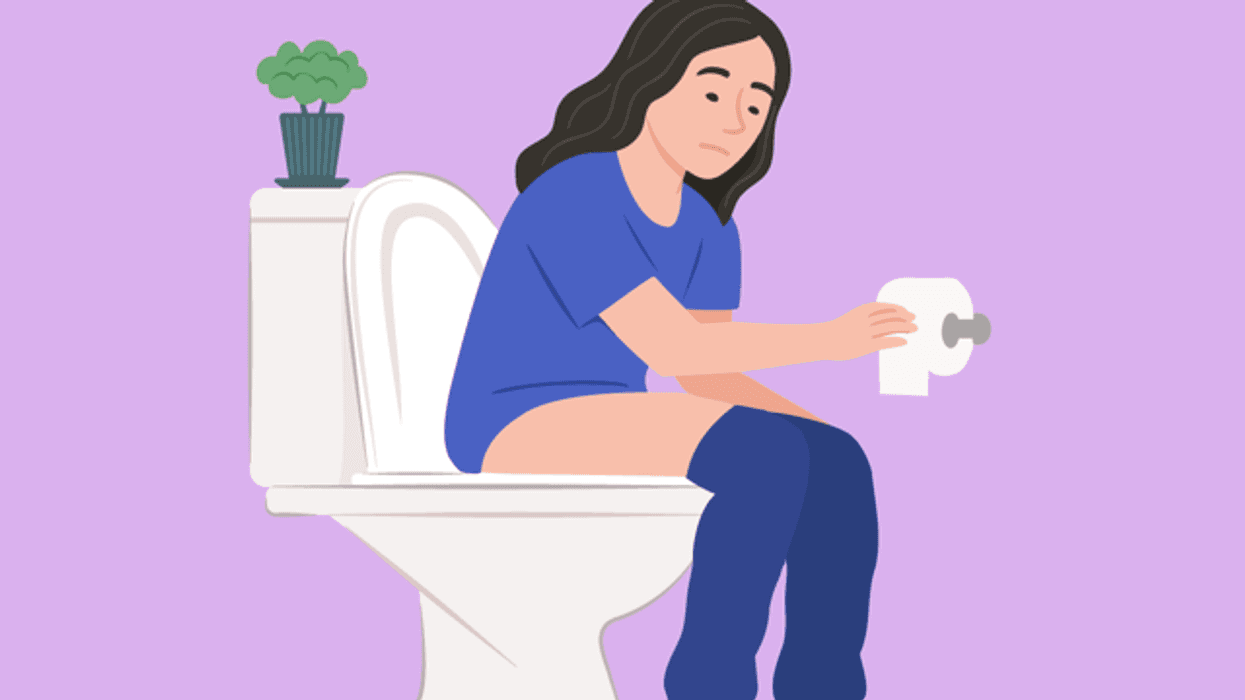
Overactive bladder (OAB), the frequent, sudden urge to urinate, sometimes with leakage, is quite common. Over 3 out 10 women in the U.S. live with OAB, but the older you are, the higher the chances are that you’ll get it.
In many cases, OAB is treatable. But you can’t be treated if you don’t speak up.
Typically, you might first talk to your primary care provider (PCP) about your symptoms. PCPs often manage OAB, but you could also be treated by a gynecologist, urologist, urogynecologist or geriatrician. Regardless of who’s caring for you, being prepared for your office visits will make your appointments more helpful.
Here are some simple ways to help you prepare and make the most of your visit.
1. Know who will treat your OAB
You may see a doctor, nurse practitioner or physician associate to help with your OAB. And these clinicians may have different specialties. It’s helpful to understand who is treating you and what their specialty is.
Primary care: Manages overall wellness and prevention, and often diagnoses and handles OAB. If you need more specialized treatment, they’ll refer you to a specialist.
Gynecology: Experts in women’s reproductive health, and may diagnose and manage OAB. Depending on your symptoms and treatment needs, you may be referred to a urologist or urogynecologist for additional evaluation or specialized care.
Urology: Specializes in the urinary system, including the bladder.
Urogynecology: Focuses on pelvic floor problems, including OAB and urinary leakage.
Geriatrics: Specialty care for older adults. Given that up to half of women over 65 experience OAB, clinicians in geriatric offices see the condition fairly regularly.
2. Keep a bladder diary for at least three days
You can keep notes on a computer or phone or in a notebook, or you can download a bladder or voiding diary. This gives your clinician a clearer picture of what is going on over time, rather than you trying to remember on the spot.
Write down:
- What time you go to bed/wake up
- How many times you get up at night to pee
- What you drink, how much and when
- When you feel urgent need to pee
- How much pee you pass. You can use a measuring cup if you want to be precise
- If and when you have any leakage, pain, burning or discomfort in your bladder
3. List your medications
Some medications, like diuretics (“water pills”), can cause or worsen OAB symptoms, so make a list of everything you take, including:
- Prescription medications
- Over-the-counter drugs, like pain relievers, allergy pills, etc.
- Vitamins and supplements
4. Share how OAB is affecting you
Your clinician will ask questions related to peeing, but it’s important they understand how these symptoms affect your life.
- Do you avoid going out?
- Do frequent bathroom breaks affect your work or activities?
- Are you fatigued because you keep getting up at night to pee?
- Is OAB affecting your relationships, your social life or your sex life?
- Do you have to wear urinary pads, liners or leakproof underwear? How often do you need to change them?
5. Prepare a list of questions
You don’t want to leave your appointment only to remember questions later. Write your questions down as you think of them ahead of time. The list might be long, so highlight the most important ones to ask first in case you can’t get to them all. They could be questions like:
- What might be causing my symptoms?
- Do I need any tests, and if so, what are they?
- What treatments do you recommend?
- What are the possible side effects of the treatments?
- Are there things I can do at home to help?
6. Use clear language
Clinicians prefer clear, direct language to avoid confusion. There’s no need to be embarrassed. Remember, OAB is common. You could start the conversation with statements like:
- I have to get up often at night to pee.
- I’m exhausted from getting up so often to pee, and it’s affecting my work/day/life.
- Sometimes I have to pee so badly that I don’t make it to the bathroom.
- I’m leaking pee, and it’s embarrassing. It’s keeping me from participating in activities.
7. Make sure you get your concerns addressed before you leave
Be sure that your questions and concerns have been addressed. You might ask:
- Should I continue with the bladder diary?
- What do I do if my symptoms get worse?
- When will I get the test results?
- How long before I know if treatment is helping?
- When should I schedule a follow-up?
Factors that can make living with OAB harder
Anyone can develop OAB, but some groups are affected more. One study found that adults with OAB who are dealing with social or economic challenges may feel the impact of OAB on their lives even more. This includes people who:
- Are unemployed
- Have low income
- Worry about having enough food
- Are unhoused or have unstable housing
- Don’t have health insurance
If you are diagnosed with OAB but are worried about following the treatment plan or getting to appointments, mention this. There may be options like lower cost medications, video appointments or local resources your clinician can point you to.
This educational resource was created with support from Sumitomo Pharma America, Inc.







Popular
1

Bye, Bye, Itch! Managing Chronic Hives at Home
Sep 23, 2026
2

How EoE Affects Your Daily Life
Sep 24, 2026
3

Biologics for Treating Asthma
Sep 22, 2026
4

10 Reasons You Might Have Blood in Your Urine
Feb 24, 2025
5
Biofármacos para el tratamiento del asma
Sep 22, 2026
6

The Skinny on Microdosing GLP-1 Drugs
Mar 06, 2025
Support Our Mission
Keep Trusted Women’s Health Information Free
Your donation ensures every woman continues to have access to credible health content.
More Stories








Everything you need to know about women’s health — in one place.