

Search
Latest Stories

Newsletter Sign-Up
Newsletter
GLP-1 medications for weight loss are having their moment — and for good reason.
GLP-1 stands for glucagon-like peptide-1. They include brand names you may be familiar with like Ozempic, Wegovy, Mounjaro and Zepbound. GLP-1s were originally designed to help people with Type 2 diabetes control their blood sugar levels. But they are now approved as an obesity medication, and many people living with obesity have found that they can lose more weight using a GLP-1 than through diet and exercise alone. In fact, GLP-1 users often lose up to 15% to 21% of their starting body weight within a year.
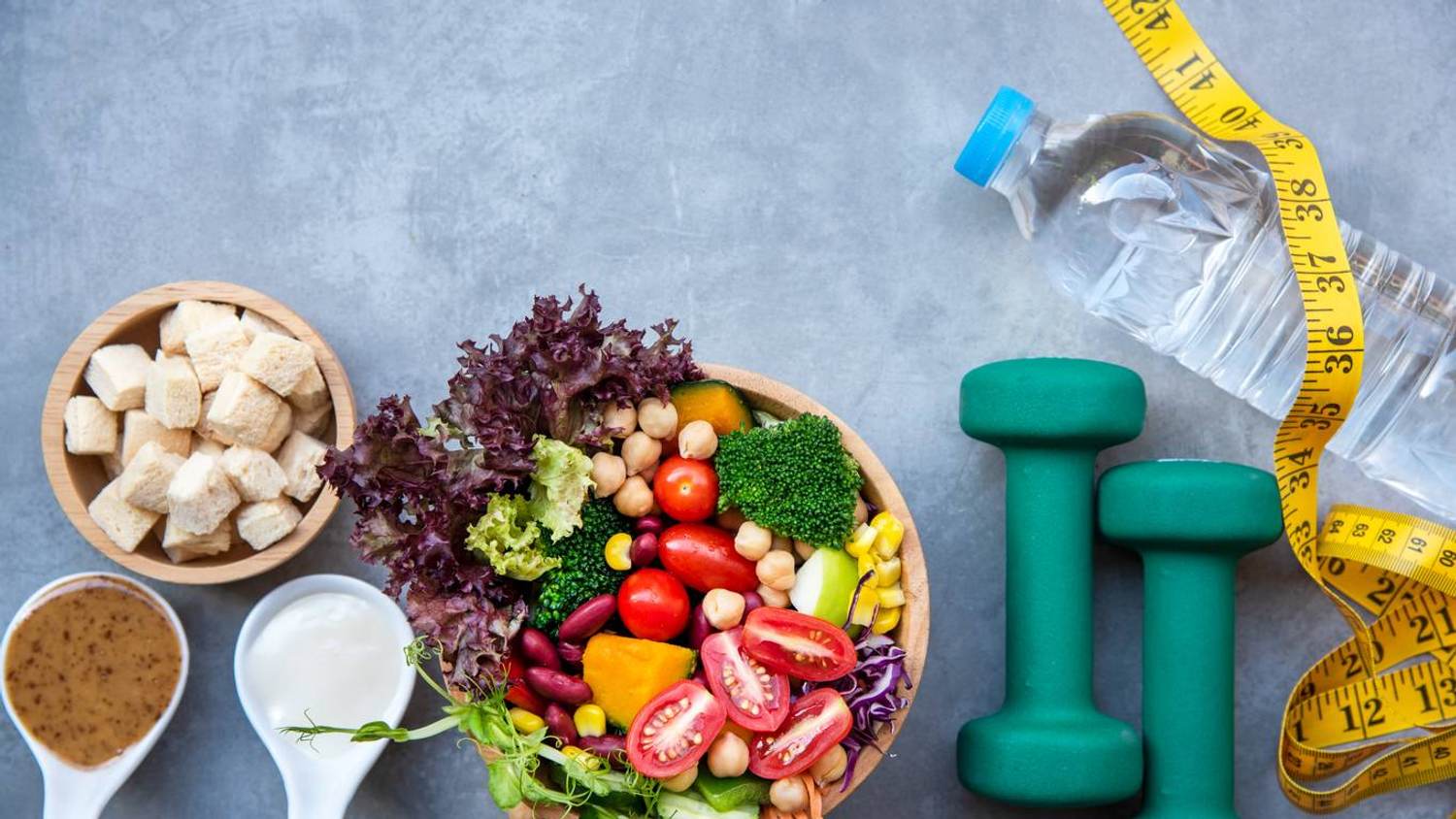
As more women start to think about using GLP-1s for weight loss, it’s important to remember that these medications should be part of a comprehensive treatment plan that also includes healthy nutrition and exercise.
“GLP-1s are very effective for weight loss, but diet and physical activity still matter,” said JoAnn E. Manson, M.D., professor of medicine at Harvard Medical School and chief of the division of preventive medicine at Brigham and Women's Hospital. “It’s not enough to just take these medications — you want to engage in healthy nutritional behaviors and minimize certain side effects that can come from using them.”
About 25% of a patient’s weight loss on GLP-1s is muscle mass or lean mass. People who think they’re just losing adipose tissue (the fat mass that increases the risk of additional health conditions) might not know that they could be creating new health risks by losing muscle mass as well. Losing too much lean mass can cause bone loss and osteoporosis. And this can be an even bigger risk for postmenopausal women who already face a higher risk for those conditions because of hormonal changes.
“This loss of lean mass really highlights the importance of lifestyle factors in achieving healthy weight loss,” Manson said.
Another GLP-1 side effect is reduced appetite. While that’s often thought of as a positive outcome for users who say they no longer have the desire to overeat, reduced food intake can lead to nutritional deficiencies if patients aren’t eating nutrient-rich foods. Gastrointestinal upset is an additional GLP-1 side effect that can reduce users’ nutritional intake because patients may eat less or their body may fail to absorb nutrients because of vomiting. Another risk is that GI upset could cause GLP-1 users to quit taking the medications, leading them to regain the weight they lost.
Holistic obesity treatment and care
If weight loss medications, including GLP-1s, are prescribed, they should be part of an overall care plan. As with any health condition, people should work with their healthcare provider (HCP) to develop a plan that addresses their individual needs.
The most effective obesity treatment plans include dietary changes and a focus on exercise and other physical activity in addition to any medication. Mental or behavioral health support should also be addressed, from counseling and support groups to discussions about managing stress and emotional/disordered eating habits. It’s also important for any obesity treatment plan to consider social determinants of health, which are non-medical factors like where people live and work that affect their health, as well as access to care.Maximizing benefits and managing side effects of GLP-1s
When GLP-1s are prescribed, starting on a small dose and slowly increasing it can help minimize GI-related side effects and help patients manage them if they do occur.
“Following some of these guidelines can help patients who are trying to avoid the reflux symptoms they might experience,” Manson said. “We want to help patients stay on the GLP-1s and avoid the premature [stopping] of these medications.”
To improve outcomes for patients using GLP-1 drugs, HCPs can start developing a treatment plan following a baseline nutritional assessment and screening and learning a patient’s current dietary habits. Manson recommends that patients using GLP-1 drugs should consume 1 to 1.5 grams of protein per kilogram of their body weight to help maintain lean mass. While plant- or animal-based protein options are the preferred choices for protein, protein shakes can be used if patients are struggling with reduced appetite or GI issues.
Eight to 12 glasses of water or other fluids should also be consumed daily to offset the dehydration GLP-1s can cause, and Manson recommends that half of one’s plate should be fruits and vegetables at each meal.
Regular physical activity is also vital. While any type of activity is worthwhile, resistance and strength training are important to prevent the loss of lean mass and muscle.
HCPs and patients can follow the MEAL plan to maximize the benefits of GLP-1s for weight loss. The MEAL plan is:
Maintain muscle
• Consume 20–30g protein (fish, poultry, yogurt, beans) per meal
• Use protein shakes when GLP-1s severely reduce appetite
Energize and balance
• Have snacks (nuts, fruits, yogurt) between meals
• Eat foods that digest slowly (oatmeal, sweet potatoes) and healthy fats (olive oil, avocado)
Avoid GLP-1 side effects
• Increase fiber and stay hydrated to reduce constipation
• Reduce fried foods; eat whole grains and try ginger for nausea
• Reduce spicy foods; stay upright after meals to avoid heartburn
Liquid for hydration needs
• Drink 8–12 cups of water a day; eat hydrating foods (soups, cucumbers, melons)
For physical activity, 150 minutes of aerobic exercise per week (such as brisk walking), is recommended, along with 30 minutes of strength training with weights or resistance bands two to three times a week.
Manson said that, while these nutrition guidelines are what HCPs would give to most patients regardless of weight loss medication use, they can be especially important for GLP-1 users. Combining GLP-1s with overall healthy nutrition, activity and lifestyle changes can decrease the likelihood of regaining weight while promoting healthy long-term habits to maintain weight loss.
This educational resource was created with support from Obesity Care Advocacy Network, a HealthyWomen Corporate Advisory Council member. HealthyWomen is a member of the Obesity Care Advocacy Network.






Stories We Love
1

2

Metabolic Syndrome 101
Sep 28, 2026
3
4
5
The Truth About Compounded GLP-1 Drugs
Feb 26, 2026
6

Healthy Aging When You’re Living with Obesity
May 12, 2025
Support Our Mission
Keep Trusted Women’s Health Information Free
Your donation ensures every woman continues to have access to credible health content.
More Stories






Everything you need to know about women’s health — in one place.