

Search
Latest Stories





Newsletter Sign-Up
Newsletter
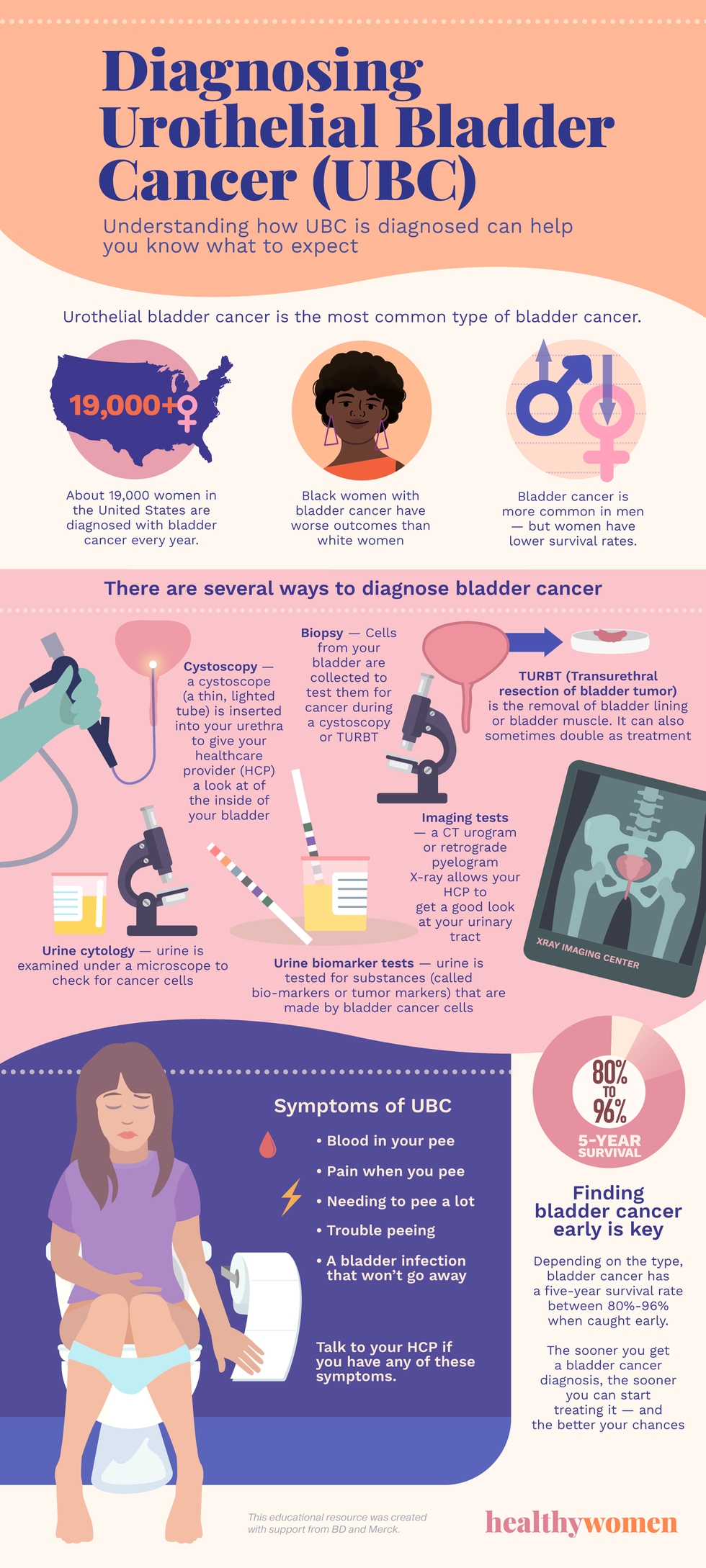
Urothelial bladder cancer is the most common type of bladder cancer.
- About 19,000 women in the United States are diagnosed with bladder cancer every year.
- Bladder cancer is more common in men — but women have lower survival rates .
- Black women with bladder cancer have worse outcomes than white women.
There are several ways to diagnose bladder cancer
- Cystoscopy — a cystoscope (a thin, lighted tube) is inserted into your urethra to give your healthcare provider (HCP) a look at of the inside of your bladder
- Biopsy — Cells from your bladder are collected to test them for cancer during a cystoscopy or TURBT
- Transurethral resection of bladder tumor (TURBT) — removal of tumors from the bladder lining or bladder muscle
- TURBT can also sometimes double as treatment
- Urine tests
- Urine cytology — urine is examined under a microscope to check for cancer cells
- Urine biomarker tests — urine is tested for substances (called biomarkers or tumor markers) that are made by bladder cancer cells
- Imaging tests — a CT urogram or retrograde pyelogram X-ray allows your HCP to get a good look at your urinary tract
Symptoms of UBC
Symptoms of UBC include:
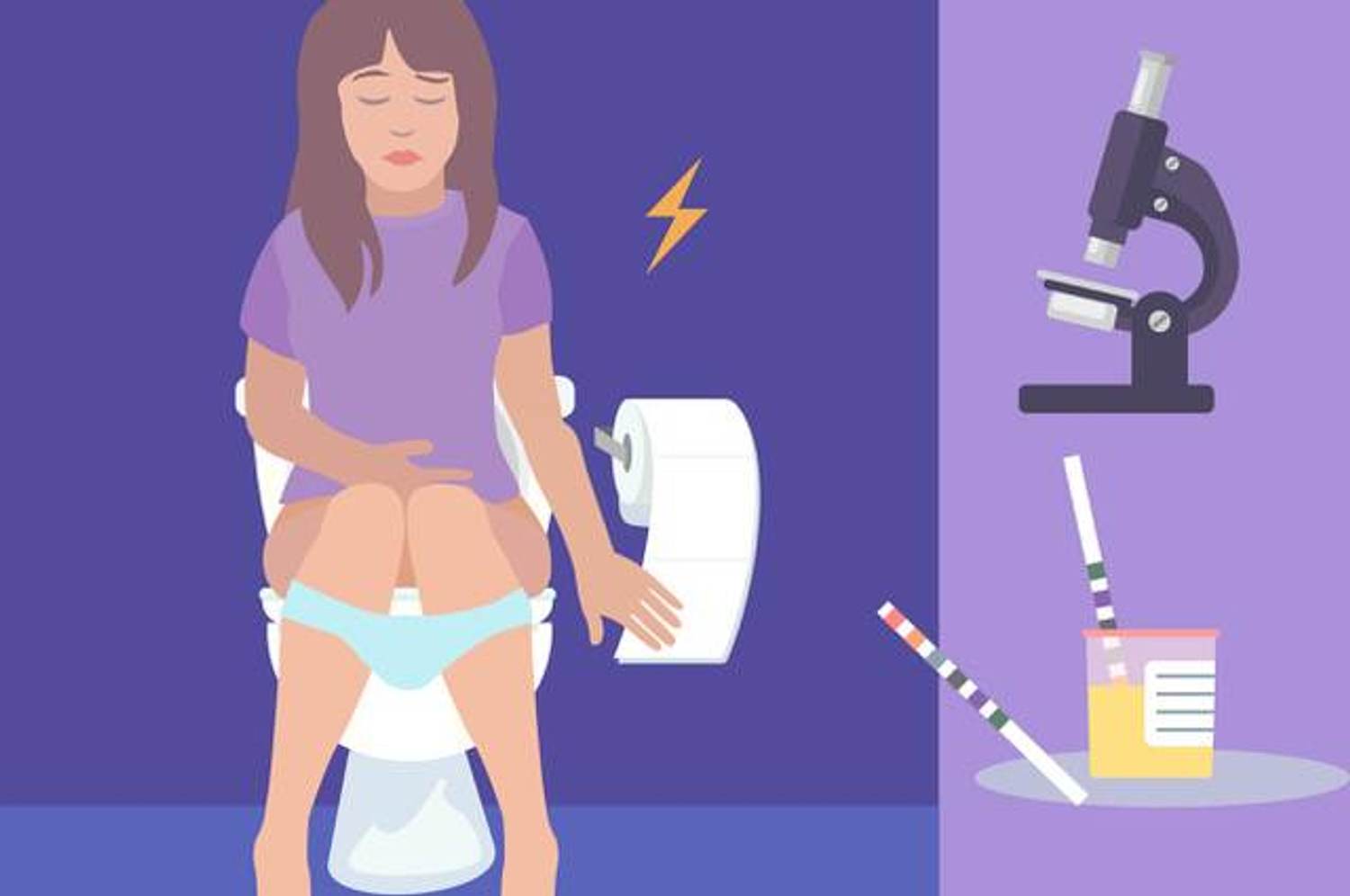
- Blood in your pee
- Pain when you pee
- Needing to pee a lot
- Trouble peeing
- A bladder infection that won’t go away
Talk to your HCP if you have any of these symptoms.
Finding bladder cancer early is key
Depending on the type, bladder cancer has a five-year survival rate between 80% -96% when caught early.
The sooner you get a bladder cancer diagnosis, the sooner you can start treating it — and the better your chances of beating it.
Resources
Bladder Cancer Action Network
This educational resource was created with support fro m BD and Merck.







Popular
1

2

¿Qué es la urticaria crónica espontánea (UCE)?
Jun 29, 2026
3

Biologics for Treating Asthma
Sep 22, 2026
4
Biofármacos para el tratamiento del asma
Sep 22, 2026
5
Comic: Edna Gets an Endoscopy
Aug 05, 2026
6
10 Reasons You Might Have Blood in Your Urine
Feb 24, 2025
Support Our Mission
Keep Trusted Women’s Health Information Free
Your donation ensures every woman continues to have access to credible health content.More Stories






Everything you need to know about women’s health — in one place.