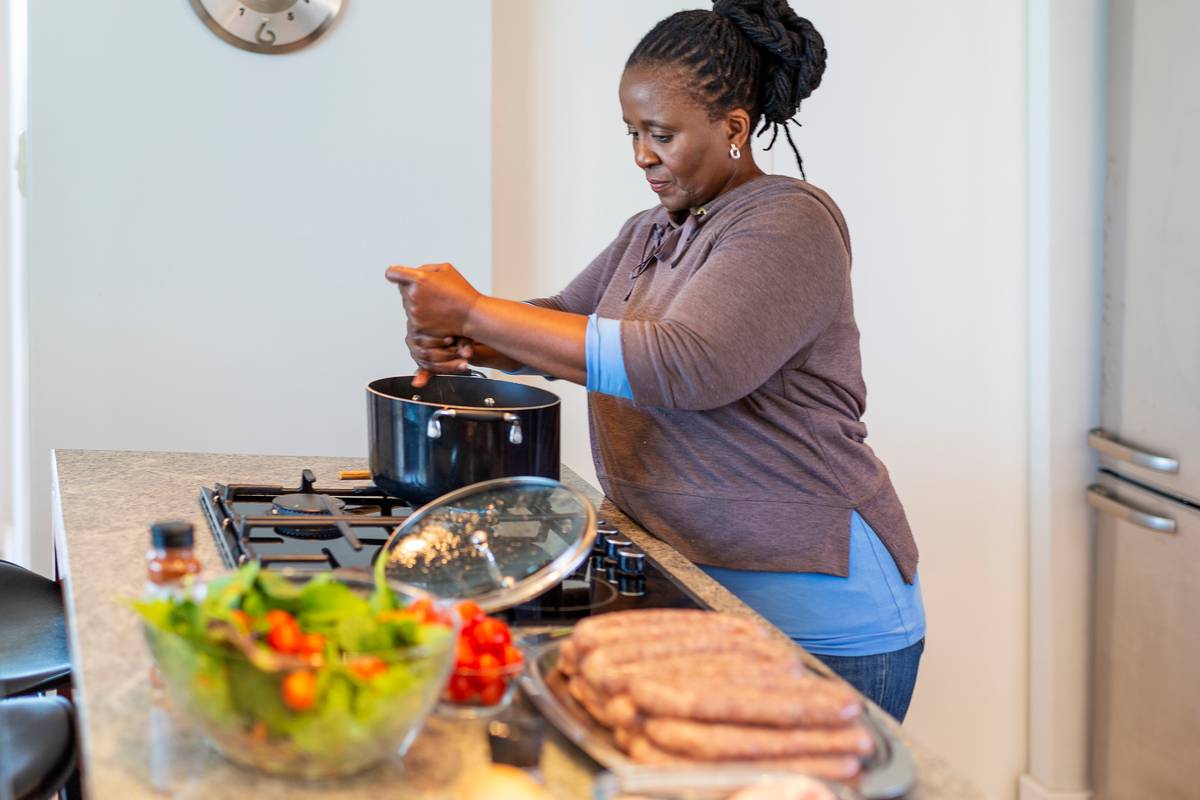
If you're like most midlife women, you may have noticed that your jeans are getting, well, a little snug. And your middle, well, a bit more noticeable. Don't worry. You're not alone. It's not unusual to gain weight during this time of your life. You face a double whammy—slowing metabolism and shifting body composition as muscle declines and fat increases.
But face it, the changes in your body could also be the result of less time spent walking the dog, more energy-saving devices, the gourmet dining club you and your partner joined or that nifty sandwich shop that opened next door to your office.
You know what to do to lose weight. Cut out the junk, up the fruits and veggies and increase your physical activity. But what you may not know is just how you should be eating these days to benefit not just the scale, but your overall health. Here's what we recommend:
- Load up on calcium and vitamin D. Not one or the other; the two together are the most powerful elements in your diet when it comes to protecting your bones from age-related weakening. Yet a review of 30 studies conducted over the past 10 years found that postmenopausal women often didn't have adequate levels of vitamin D. Postmenopausal women need 1,200 mg of calcium and 600 international units (IUs) of vitamin D up to age 71; 800 IUs from age 71 on. To get ample vitamin D, you can stay out in the sun for 15 minutes a day (without sunscreen) or take a supplement.
- Go low fat. The benefits of a low-fat diet in peri- and postmenopausal women are turning out to be tremendous. One study found a diet low in fat—even "good" fat like monounsaturated fat—was associated with increased bone density and fewer fractures. Meanwhile, the longest-running study of a dietary change ever conducted—the Women's Health Initiative Dietary Modification Trial—found that women with low-fat diets were slightly less likely to develop breast cancer.
- Limit red meat. Instead, get your protein from leaner sources, like chicken (get rid of that skin!), fish, soy products and beans. Eating more than 1.5 servings of meat a day (about 4.5 ounces) could nearly double your risk of developing hormone-related breast cancer compared to women who eat less than three servings a week.
- Add a teaspoon of flaxseed oil. Or munch on pumpkin or rye seeds, slip in a serving of soy and broccoli, and scatter strawberries over your cereal. All are high in lignans, powerful plant-based antioxidants. Dutch researchers found the more lignans healthy postmenopausal women ate, the better their cognitive function (i.e., ability to remember things). We can all use a boost there!
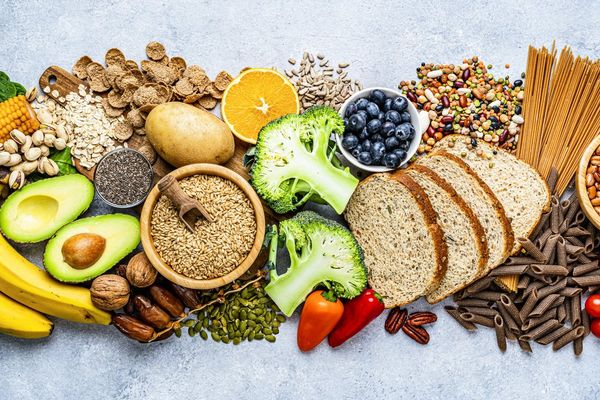
- Fill up on fiber. Fiber—the nondigestible part of plants—not only fills you up, but since your body can't digest it, the calorie count is close to zero. You can get a heaping bowl of fiber with your morning cereal. Just make it whole grain and look for one with at least eight grams of fiber per serving. Studies find diets high in fiber not only reduce the risk of cardiovascular disease and diabetes, but can help you eat less overall and lose weight. And that bowl of breakfast cereal? It's a well-known fact that eating a healthy breakfast helps you eat less throughout the rest of the day.
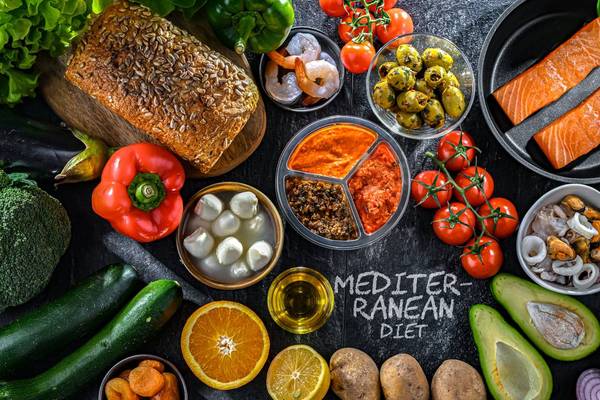
- Get your nine. Sure, it might sound like some hokey government garbage, but there really is a reason to make fruits and vegetables the centerpiece of your diet and get nine servings a day. Not only are they high in the aforementioned fiber, but they contain powerful antioxidants and other plant chemicals that have been linked to everything from lower cancer rates to reduced risk of blindness to less heart disease. More benefits: vegetables (two or more servings of the leafy green type are best) can slow the rate of cognitive decline (memory loss), and reduce your risk of breast cancer. Yup, breast cancer. A study conducted in Chinese women found that women who ate four or more servings of fruits and vegetables a day slashed their risk of breast cancer in half compared to women who ate two or fewer servings a day.
- Eat a salad every day. A study from researchers at the University of California—Los Angeles and Louisiana State University found that women (and men) who ate lots of salad and raw vegetables had much higher concentrations of folic acid, vitamins C and E, lycopene and alpha- and beta-carotene in their blood than those who didn't. These nutrients play major roles in protecting you from a variety of health conditions, including heart disease. We recommend eating your salad first. High in fiber, a pre-meal salad will assuage your hunger so you eat less of the main meal.
All sounding too complicated? OK, how about these five easy steps:
- Eat as many "real" (vs. processed) foods as possible. You'll get more fruits, vegetables and high-fiber whole grains, with less sugar, salt and fat.
- Eat two fruits and/or vegetables with every meal—including breakfast.
- Make all grains whole grains. That means whole-wheat bread and pasta, brown rice and whole-grain cereals.
- Stick with lean protein. Instead of a New York strip, have a tuna steak. Instead of a hamburger, order a turkey or ostrich burger. Instead of your famous lasagna with two kinds of sausage and ground meat, fix it with soy crumbles and turkey sausage.
- Drink water, unsweetened tea, diet sodas and the occasional glass of red wine. All are much better for you health- and calorie-wise than high-sugar sodas, fruit juices, fancy coffees and commercial teas.