
Search
Latest Stories


Newsletter Sign-Up
Newsletter

You might be interested in

A good documentary stays with you.
Sometimes in the strangest ways. Like when you’re voting for the National Park Service’s fattest bear contest and wondering who the Grizzly Man would’ve picked. Or when binge-watching Bravo in furry onesies with your mother over the weekend feels very Grey Gardens 2.0.
It’s the connection rooted in reality that makes a good documentary so memorable and compelling we can’t help but see ourselves in the characters and storyline. You find yourself nodding along. Bawling your eyes out. Cheering from the top of the couch. Muttering obscenities. Clutching your pearls before ripping them off.
The women’s health documentaries released this year give all the feels and more and certainly don’t hold back while exploring deep, complex topics like maternal mortality, endometriosis and perimenopause.
Here are four 2026 documentaries on women’s health that are brilliant, bold and unforgettable — just like the women in them.
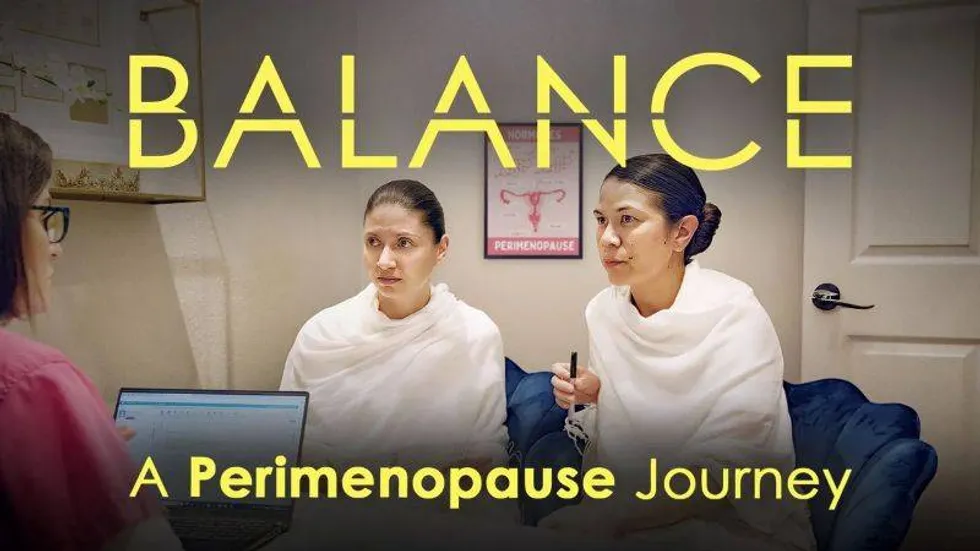
1. BALANCE: A Perimenopause Journey
“I haven’t felt like myself lately.”
The BALANCE documentary starts with Sadhvi Anubhuti and Sadhvi Siddhali Shree — two Jain monks — learning that they’re in perimenopause. This prompts the question we’ve all asked Google at some point: What the heck is perimenopause?
The four-part docuseries follows the women on their quest to understand the physical and mental effects of perimenopause and treatment options from renowned experts, including Sharon Malone, Heather Hirsch and Rachel Rubin.
Hormones — and a lack thereof — have a starring role in the series as Siddhali and Anubhuti explore the pros and cons and misinformation surrounding hormone therapy and nonhormonal alternatives. The episodes also tackle the lack of information given to women about perimenopause and the need for more data and research to advance treatment options.
Despite the fact that menopause seems to be a hot topic these days, myths and misinformation about menopause are deeply rooted in our society. But films like BALANCE help set the record straight with facts, compelling narratives, and the hope that sharing knowledge can tip the scale toward truth and respect in menopause care.
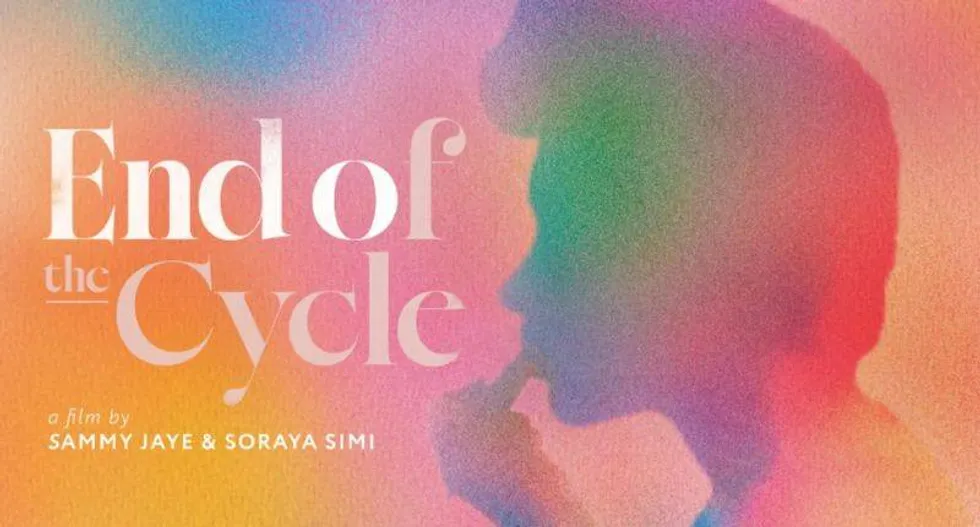
2. End of the Cycle
Terrifying. Isolating. Debilitating. Evil as f*ck.
These are some of the ways the women in End of the Cycle describe endometriosis.
The doc features a star-studded group: comedian Amy Schumer, U.S. Olympian Brittany Brown, actress Janel Parrish, actress and musician Fọlákẹ́ Olówòfóyèkù, dancer Julianne Hough and influencer Sammy Jaye Lang.
All of the women describe in heartbreaking detail the many different ways endometriosis has impacted their lives. (Just a heads up: You’ll want to keep tissues close.)
Each woman’s story is unique, but together they call out a healthcare system that cannot properly diagnose, treat or cure the condition that affects 1 in 10 women.
The film also offers insight into emerging endometriosis research and the desperate need for advancements in treatment options for this complicated disease.
Watch: The Endometriosis Collective
Read: Nobody Believed My Pain Was Real Until Endometriosis Landed Me in a Coma >>
3. Perilous Passage: Birth in America
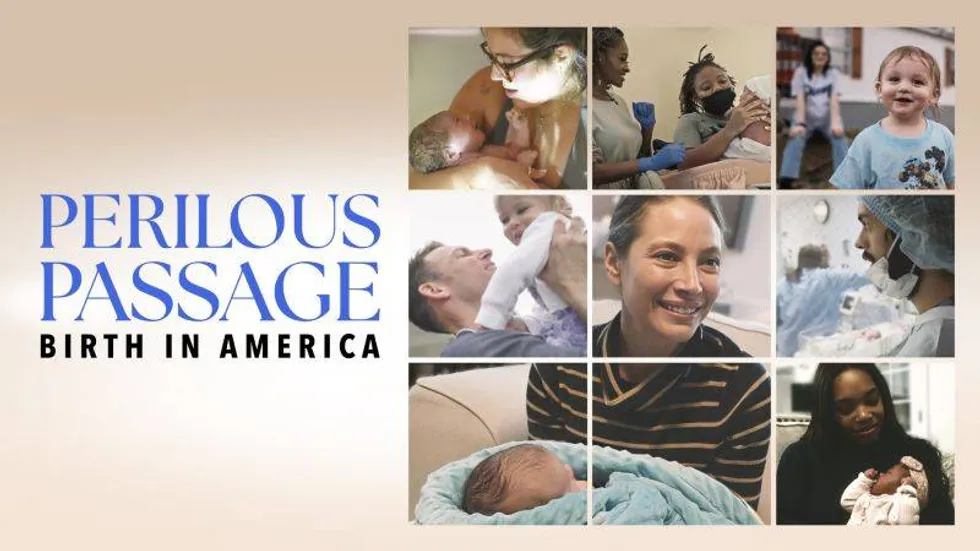
Christy Turlington, supermodel turned maternal health advocate, is the executive producer behind this intimate doc that explores the complicated landscape of maternal health in the U.S. today.
Turlington’s passion for the topic runs deep. Her own birth story and life-threatening postpartum hemorrhage inspired her to dig deeper into the shocking truth that America has the worst maternal mortality rate of any developed country.
Through the raw, at times heart-wrenching, stories of mothers, midwives, fathers, experts and advocates, Perilous Passage delves into the gaps of maternal healthcare and the increasing challenges women face finding care after Roe v. Wade was overturned in 2022.
It’s hard to fathom, but more than 80% of U.S. pregnancy-related deaths are preventable. Perilous brings home the harsh reality that, without access to proper maternal healthcare, the death toll will continue to rise.
4. The M Factor 2: Before the Pause

“Remember last summer when I was so crazy?” a woman asks her husband, dabbing tears from her eyes. For many women, perimenopause causes emotional, mental and physical changes that can be severe. And for a long time, women had no clue what was happening or that perimenopause was even a thing.
The M Factor 2: Before the Pause shines a light on perimenopause and the very real effects it can have on relationships, careers, health — basically everything in life.
Through interviews with perimenopausal women and testimonials from experts, producer Tamsen Fadal offers a sharp and unfiltered look at the menopausal transition and nothing is off limits.
Topics range from hot flashes to flash periods to sex and consequences of not being proactive about your health during perimenopause. Or as one expert puts it: “It’s about making decisions today for the life you want in the future.”
Before the Pause serves as a reminder that you’re not alone or the only one up at 3 a.m. sweating through your nightshirt. But you don’t have to suffer. Every woman should know her options for reducing symptoms of menopause and ways you can stay as healthy as possible — mentally and physically — before, during and after menopause.
Watch: PBS