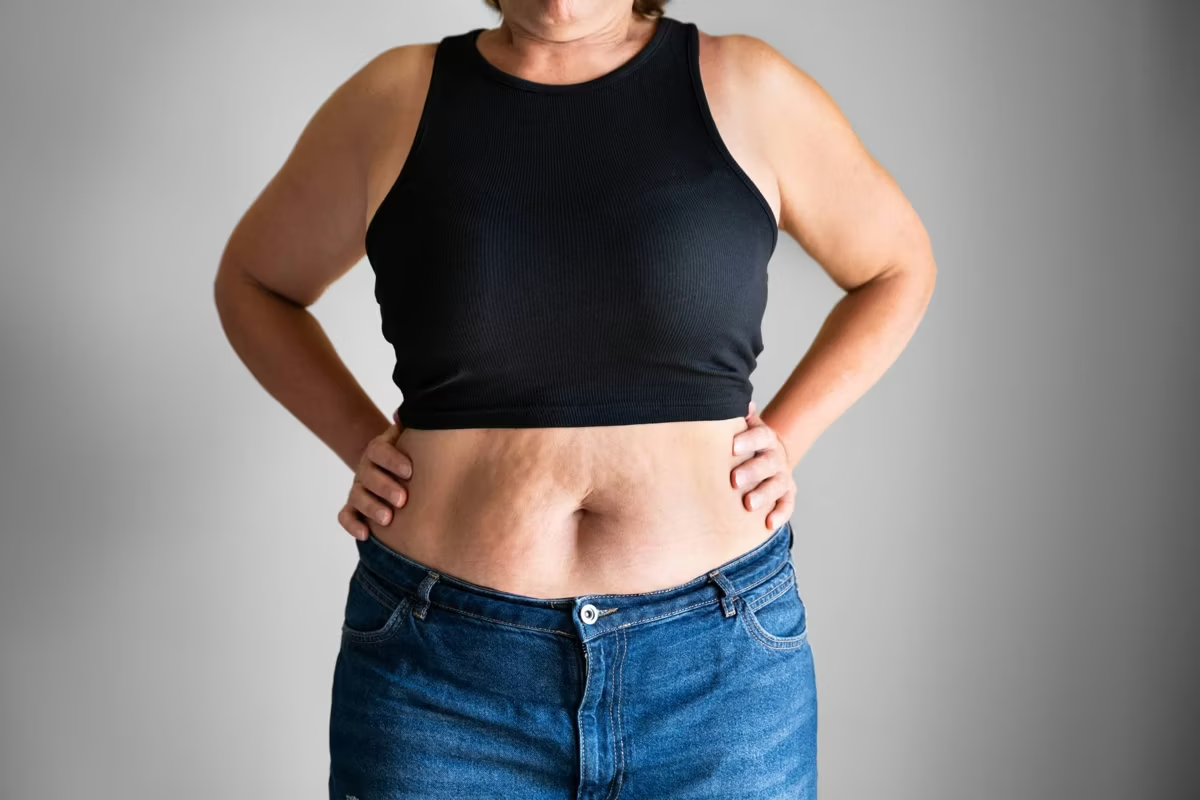
I’m standing in front of the mirror squeezing myself into pants that no longer button. I turn to the side and notice soft, squishy love handles, a new belly pooch and skinny legs. Who is this person staring back at me?
I go to the gym at least three times a week, I stick to a mostly Mediterranean diet, and I walk everywhere. Why was I suddenly packing on the pounds? And where did these chicken legs come from?
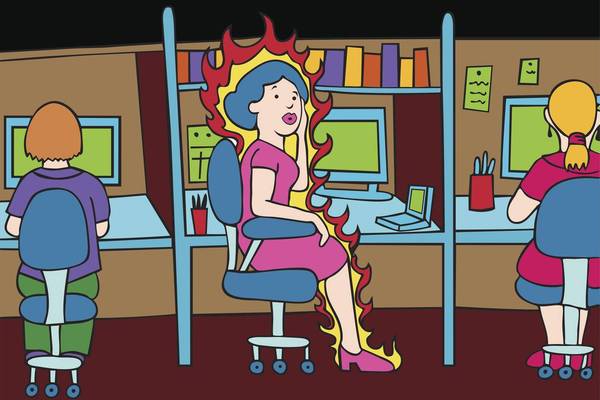
As a middle-aged woman in menopause, I knew wrinkles were inevitable. I was prepared for the brain fog and hot flashes, but the weight gain around my abdomen? No one had warned me. I tried to muster up some self-confidence about my body, but I couldn’t find any. Maybe it was hiding underneath all that new belly fat.
I did what any other Gen X woman would do and turned to the internet for answers. On TikTok, one chiropractor blamed miscarriages for belly fat, a fitness guru suggested doing endless crunches on Instagram. A doctor on FB swore magnesium was the answer to my woes. Soon my feeds were inundated with ads for supplements and hacks. There was so much conflicting information, I didn’t know who or what to believe.
So I signed off of social media and looked into scientific studies. I found out that gaining visceral fat in menopause is pretty common. According to the SWAN study, the majority of women in midlife gain between 4 and 5 pounds over a three-year period.
Curious to find out more, I reached out to the experts to learn why this happens and what, if anything, I could do to slow my belly roll.
Where does menopause belly fat come from?
“Menopause belly is driven by estrogen decline and rising follicle-stimulating hormone (FSH),” said Sara Szal M.D., OB-GYN and author of Women, Food, and Hormones. When your estrogen drops during menopause, you begin to lose muscle mass and gain fat. This creates subcutaneous fat — the soft jiggly muffin top just below your skin. It also creates visceral fat — deeper fat that surrounds your internal organs including the liver, stomach and intestines. Along with drops in estrogen, high levels of FSH — a reproductive hormone — increase fat storage and slow metabolism. This makes it much more difficult to lose weight in midlife.
As estrogen continues to drop, your fat gets redistributed from other parts of your body and settles in your belly. A meta-analysis of over 1 million women found that waist circumference increased by 4.6 cm and trunk fat rose by 5.5%, while leg fat significantly decreased by 3.2%. “That’s why the legs look thinner as the midsection grows,” said Salz. This explained my chicken legs.
But that’s only part of the story. According to menopause expert Mary Claire Haver, M.D., when you don’t get enough sleep during menopause (and who is?), ghrelin, your hunger hormone, increases. Declining estrogen also reduces leptin, the hormone that tells you when you’re full. So not only are you hungrier, but your body doesn’t signal when you’ve eaten enough.
Stress is another culprit. Salz said that chronic stress elevates the stress hormone cortisol, which contributes to visceral fat, insulin resistance and metabolic syndrome. When you’re stressed, you’re also more likely to make poor meal choices or snack on sugary foods. This all leads to inflammation in your body. Inflammation contributes to even more belly fat, brain fog and muscle pain.
And this is not simply a vanity concern. It’s not just that we gain a few pounds or go up a few pant sizes. “Visceral fat is dangerous fat,” said Salz. It can increase the risk of breast cancer, dementia, diabetes, heart disease and even sudden death.
How to get rid of menopause belly
Luckily, there are steps you can take to shrink your menopause belly. Forget the hacks you see online, and follow these well-researched guidelines from Salz and Haver.
Follow a Mediterranean diet
Why it works: A Mediterranean diet rich in fruits and vegetables, whole grains, nuts, fish and olive oil helps reduce weight and inflammation.
Eat protein
Why it works: Protein preserves muscle, improves bone density and helps satisfy your hunger. Aim for 30 grams of protein per meal.
Add fiber to your diet
Why it works: Fiber is the hidden super power for menopause belly. It improves insulin sensitivity, reduces inflammation and helps control your appetite. Aim for 25-40 grams per day from plant-based whole foods, including berries, beans, whole grain oats and legumes.
Avoid sugar
Why it works: Sugar causes inflammation and contributes to the storage of visceral fat. Aim for less than 25 grams of added sugar per day.
Exercise
Why it works: Salz said combining high-intensity interval training (HIIT) with resistance training is the most effective way to improve body composition in postmenopausal women. You need a minimum of 150 minutes per week of moderate-intensity aerobic activity and twice weekly muscle-strengthening activities.
Lower stress
Why it works: Reducing stress lowers your cortisol levels. Make sleep a priority, drink less alcohol–it can spike your cortisol and mess with your sleep–, and consider cognitive behavioral therapy. Journaling, meditation, yoga and breathing exercises can also help.
Look into hormone therapy
Why it works: Hormone therapy (HT) increases estrogen levels in your body, which helps redistribute visceral belly fat. HT also can improve vasomotor symptoms of menopause (hot flashes and night sweats), sleep quality and your mood, all of which might help you have more energy to exercise consistently.
Debunking the myths
Now that we know what causes menopause belly, and what we can do about it, let’s hear what Salz said about these menopause belly myths.
Myth 1: Crunches and ab workouts reduce belly fat. You cannot spot reduce. No amount of abdominal work will burn fat.
Myth 2: Eat less, cardio more and your belly will come off. Aggressive caloric restriction in midlife strips lean mass and worsens the underlying problem.
Myth 3: Hormone therapy makes you gain weight. The evidence shows the opposite: Hormone therapy can favorably influence body fat distribution.
Myth 4: It’s just aging — menopause has nothing to do with it. Weight gain is largely age-related, but fat redistribution is specifically driven by menopause.
Myth 5: Nothing you do really works. False. Resistance training, aerobics, HIIT, a Mediterranean diet, sleep, and (where indicated) HT, work.
It’s time to change the way you think about menopause belly
I’m implementing many of these guidelines and slowly seeing results, though I’m still self-conscious about my middle. But gaining weight in menopause isn’t something to be ashamed of. It’s biological, which means it’s not your fault.
“Shame is not a useful lever, and neither is nostalgia for the body you had at 30. You are not going to lose your way back to it, and you shouldn’t want to,” said Salz.
Your menopause belly represents everything you’ve been through to get where you are today. And if you need to buy new pants to fit all that life experience in, it’s worth it.