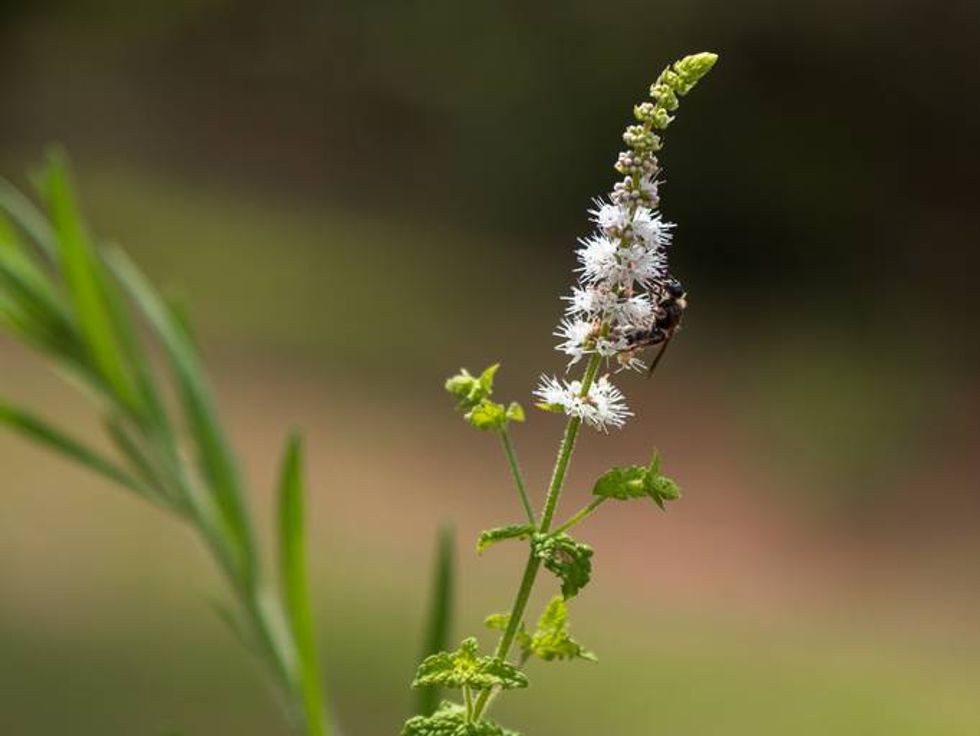
The black cohosh plant is full of surprises. For one, the name doesn’t match the drapes — black cohosh produces white flowers from its green stem. Other names for black cohosh include snakeroot and bugwort — so let’s just say we appreciate the non-literal approach.
Black cohosh is a bit of a celebrity supplement. As one of the most popular dietary supplements in the world, an estimated 1.2 million Americans had used black cohosh products within the last 30 days, according to the latest National Health and Nutrition Examination Survey.
If you’re spending your days and nights trying to figure out how to stop being at the mercy of hot flashes, you may have heard of black cohosh as an alternative treatment for vasomotor symptoms (VMS) of menopause.
There’s definitely buzz about black cohosh — but does it work? Here’s what you need to know and some surprising facts about the popular supplement.
What is black cohosh?
iStock.com/Giorez
The black cohosh plant is native to North America and — fun fact — is part of the buttercup family. (Adorable, right?)
The plant’s root and rhizome (underground stems) are what’s used in herbal supplements, typically sold as liquid extracts or dried extracts in pill form.
Medicinal black cohosh has been around for centuries and has deep roots in traditional Native American medicine. Black cohosh has been said to treat a wide range of symptoms and women’s health conditions including VMS.
For a long time, black cohosh was thought to be a phytoestrogen — a plant-based substance that has an estrogen-like effect on the body. However, a growing body of research suggests black cohosh may not be a phytoestrogen, but it still has the ability to act like estrogen in certain parts of the body, including the brain, vagina and bones.
Can taking black cohosh improve menopause symptoms?
Thanks to the potential estrogen-like effects, black cohosh is marketed as an herbal therapy for symptoms of menopause.
The potential benefits of taking the supplement include relief from hot flashes, night sweats and vaginal dryness.
There is some research out there to back up the VMS claims: A 2023 analysis of 22 studies of more than 2,300 women found that taking black cohosh significantly improved overall menopausal symptoms, hot flashes and genitourinary syndrome of menopause (GSM) compared to the women who didn’t take black cohosh.
In addition to VMS relief, black cohosh may also help relieve period cramps and PMS and induce labor in pregnant people, although it’s important to note that research on black cohosh and health conditions outside of VMS is very limited.
What are the possible black cohosh side effects?
The risk of side effects from black cohosh is low and most people tolerate the supplement without any problems. But when there are side effects of taking black cohosh, they can include:
- Gastrointestinal problems
- Headache
- Musculoskeletal pain
- Uterine bleeding
- Rash
- Breast pain
- Elevated liver enzymes
- Liver failure
Although it’s rare, serious liver damage has been reported in some people who were taking black cohosh. As of 2023, there were 83 cases of liver damage reported worldwide.
Who shouldn’t take black cohosh?
Since black cohosh may affect the liver, people with liver disorders should avoid taking the supplement. Also, people who are pregnant or breastfeeding should avoid black cohosh because there’s limited research on the safety of the supplement during pregnancy and breastfeeding and, as mentioned, black cohosh could induce labor.
Since black cohosh may have estrogen-like effects, it’s especially important for people with hormone-positive conditions like some breast cancers, non-cancerous breast lumps, fibrocystic breast changes, fibroids and endometriosis to talk to their healthcare provider (HCP) before taking black cohosh.
The supplement may also interact with certain medications, including some cancer treatments, so make sure your HCP has a complete list of all the medications and supplements you’re taking before making a decision to take black cohosh.
Is black cohosh safe?
Black cohosh is relatively safe for most people. But it’s important to note that black cohosh products — like all dietary supplements — are not approved or regulated by the Food and Drug Administration (FDA) before they’re sold to the public. This means the product you’re buying may contain the wrong herb or unknown ingredients that could be harmful to your health.
One recent study of 320 black cohosh brands found nearly half sold adulterated or mislabeled products. Supplements with verification by the US Pharmacopoeial (USP) Convention Dietary Supplement Verification Program or ConsumerLab.com on the label mean the supplements are high quality and not adulterated with other ingredients.
Talk to your healthcare provider before taking any supplement
If you’re interested in taking black cohosh, the first step is to talk to your HCP about the pros and cons and any possible interactions with other medications. You don’t want any surprises when it comes to your health.