

Search
Latest Stories





Newsletter Sign-Up
Newsletter
Slide 1:
Hed: Treating Primary Hyperoxaluria
Dek: This rare disorder causes kidney stones and possibly kidney damage. Find out more about your treatment options.
Slide 2:
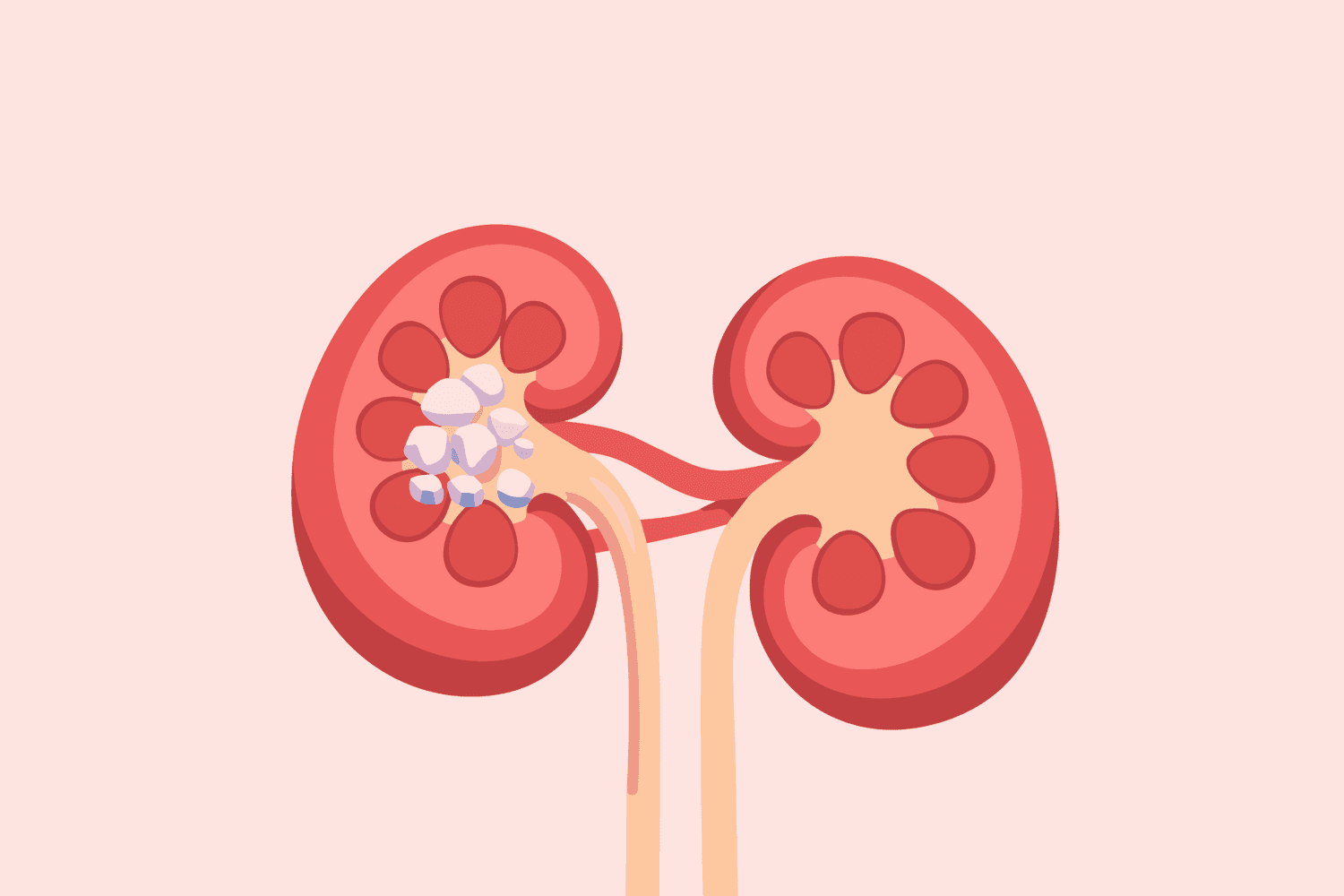
Primary hyperoxaluria is a rare genetic disorder where your body creates too much of a substance called oxalate.
When too much oxalate builds up in the kidneys and combines with calcium, it forms kidney stones and can lead to kidney failure.
Slide 3:
There are three types of PH:
PH1
PH2
PH3
Treatment options depend on which type of PH you have, but the treatment goal for all forms of PH is to prevent oxalate from building up in the kidneys and other parts of your body.
Slide 4:
Some treatment options include:
Vitamin B6 (pyridoxine)
When taken at high doses, vitamin B6 can help lower oxalate levels. This treatment works for about 3 out of 10 people. It is only useful for patients with PH1.
Slide 5:
Prescription Medications
Lumasiran and nedosiran can be given as injections under the skin to lower oxalate levels. These medications are only useful for patients with PH1.
Slide 6:
Drinking Plenty of Fluids
Drinking a lot of fluid (especially water) each day can help flush the oxalate out of your body.
Slide 7:
Citrate or Bicarbonate Salts
Too much acid in your urine increases the risk of kidney stones. Consuming citrate and bicarbonate salt like:
Potassium citrate
Potassium bicarbonate
Sodium citrate
Sodium bicarbonate
can lower the acidity of your urine.
Slide 8:
Avoiding High Levels of Vitamin C
Too much vitamin C in your diet — from food or supplements — can raise oxalate.
Slide 9:
Avoiding Foods High in Oxalate
High-oxalate foods include:
Nuts
Chocolate
Sweet potatoes
Plums
Beets
Rhubarb
Spinach
Tofu
Strawberries
If you choose to eat these foods, eat calcium-rich foods as well to help prevent the oxalate from reaching your kidneys and creating kidney stones.
Slide 10:
How well primary hyperoxaluria treatments work depends on your overall health and how severe your condition is.
Talk to your healthcare provider about what might work for you.
This educational resource was created with support from Alnylam.








Popular
1
Bye, Bye, Itch! Managing Chronic Hives at Home
Sep 23, 2026
2

Biologics for Treating Asthma
Sep 22, 2026
3
How EoE Affects Your Daily Life
Sep 24, 2026
4
Biofármacos para el tratamiento del asma
Sep 22, 2026
5
10 Reasons You Might Have Blood in Your Urine
Feb 24, 2025
6

The Skinny on Microdosing GLP-1 Drugs
Mar 06, 2025
Support Our Mission
Keep Trusted Women’s Health Information Free
Your donation ensures every woman continues to have access to credible health content.More Stories







Everything you need to know about women’s health — in one place.