As told to Aileen Weintraub
Growing up in New Orleans, everyone thought I was cool because I was double-jointed. I could flip my tongue around and slip my arm out of its socket. It was fun to show off, but there was a serious downside. I bruised easily, and even the smallest scrape took forever to heal. Often, I couldn’t stop bleeding.
As I got older, my checklist of symptoms grew. I’d have pain in my joints and difficulty swallowing. I always felt guilty when I couldn’t keep up with friends or if I was too sick from respiratory issues to hang out. When I tried to get answers, my healthcare clinicians dismissed me.
But when I was 46, everything changed. By then, my daughter Whitney was 22. She had a very serious illness so we took her to a specialist at a well-known hospital to get her the best care possible. The doctor took tests and asked her some questions. He diagnosed her with Ehlers-Danlos syndrome.
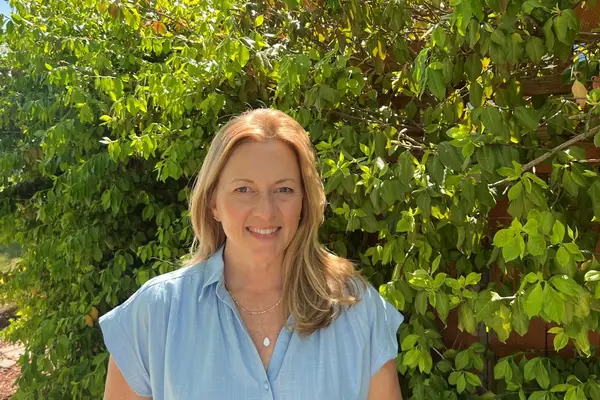
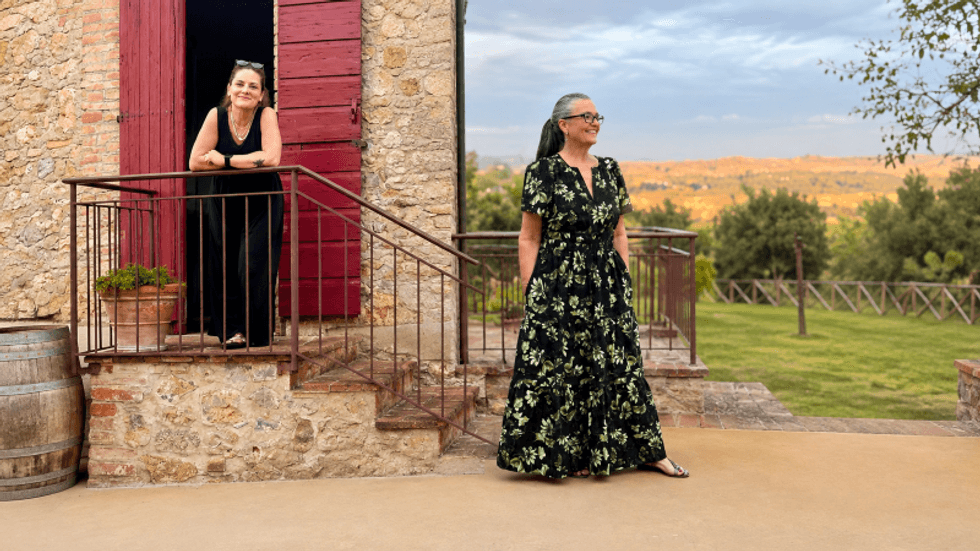 Whitney and Linda, May 2026
Ehlers-Danlos syndrome is a genetic disorder that affects the body’s connective tissue. This is the tissue that provides flexibility to skin, joints, blood vessels and organs. People with Ehlers-Danlos syndrome have hypermobility and usually experience chronic pain. Sometimes it can be life-threatening, and there’s no cure.
As the doctor discussed Whitney’s diagnosis, a lightbulb went off in my head. I realized that I had similar symptoms, including heart palpitations and body aches. The doctor asked me to do a few tests and then confirmed my diagnosis, too. Ehlers-Danlos is hereditary, so it’s no surprise both my daughter and I had it.
At first, I felt a sense of relief because I finally had answers and a way to manage my symptoms, and I could help my daughter manage hers. But I also felt a deep sadness knowing I had suffered needlessly for most of my life. It was almost like my true self was hiding behind a body that didn’t work the way it was supposed to. Living this way had deeply affected my self-esteem.
With this diagnosis, I couldn’t help but start to rethink my entire life. I was a kindergarten teacher in Northern Virginia, and though I enjoyed my job, I was burnt out, still in pain, and feeling hopeless.
One day, I realized life is too short to feel that way all the time. There had to be something more for me. That’s when I took a giant leap of faith.
I came home from school one afternoon and told my husband George that I needed a drastic change. He was still working long hours at his job, but he agreed. Within two weeks, we were on a plane to Italy, a place we had always loved. I settled in Montefollonico, a small village in Tuscany. George and our kids planned to travel back and forth to visit until George retired in five years.
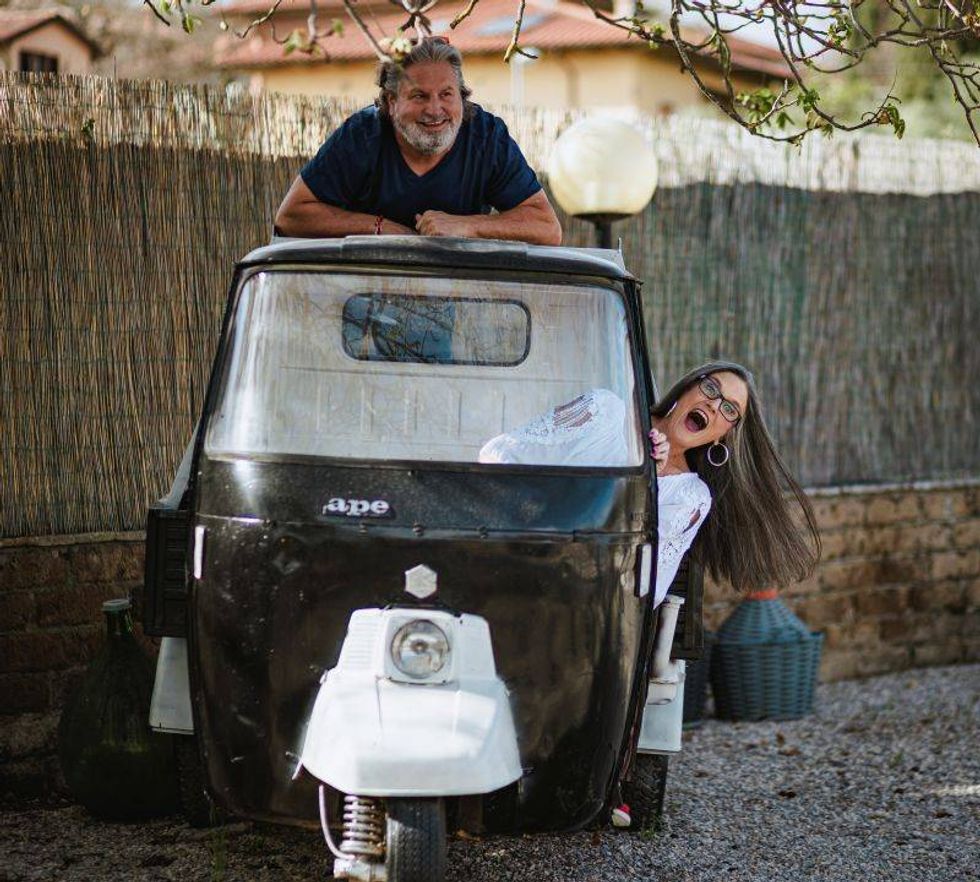 George and Linda (photo/Ivan Vasilev)
Living in a small village without access to big supermarkets took some getting used to. There was no fast food or packaged meals. Now, I was eating fresh, local fruit and vegetables, whole grains and olive oil. Slowly, I began to notice small changes in my health. I didn’t feel as tired anymore, and my joints no longer ached because I had less inflammation in my body.
It took a while to make the connection, but then I realized that without all the ultraprocessed food I was used to eating, I had more energy and less chronic pain. I didn’t even have to limit pasta!
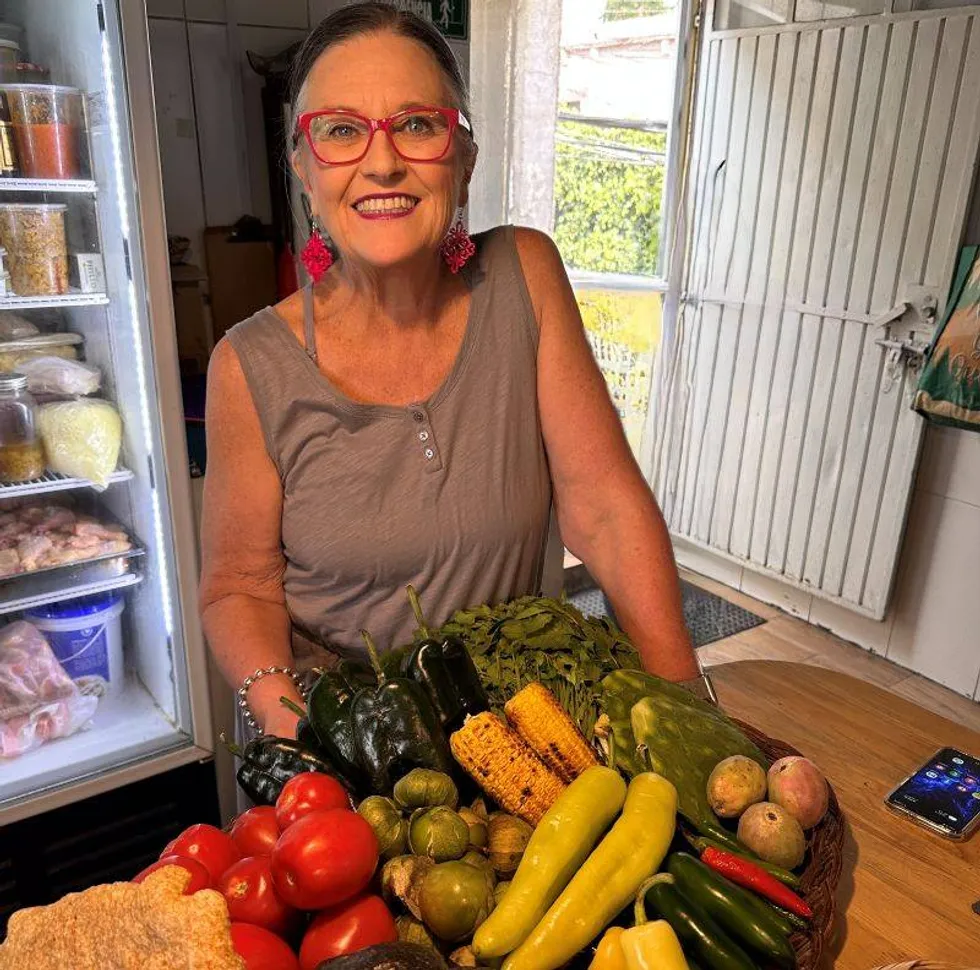
Feeling better than I had in years, I set up a Facebook page and organized small cooking classes to introduce others to the simplicity of Mediterranean cooking. Ten people signed up the first week. The following year, we had over 100 people. I wasn’t even a chef, I just wanted to show people an alternative way to live.
But that doesn’t mean it’s always been easy. Not long after opening the cooking school, I began feeling intense pressure in my chest every time I ate a meal. Soon, I could barely catch my breath. When I finally went to the doctor for testing, they found out that part of my stomach had moved into my chest cavity and I needed surgery. This was yet another result of Ehlers-Danlos syndrome. It was a setback, but I stayed positive, knowing I would recover and get back to work. Instead of slowing me down, the surgery motivated me even more.
Once George moved to Tuscany full time, we decided to expand our business. That’s when we found La Chiusa, a medieval boutique hotel in the hills of Tuscany dating back to 302 AD. As soon as we saw it, we knew it would be our new home. With so much land, we could grow our own food. With 18 rooms, we had plenty of space to host guests and expand our school, Cook in Tuscany.
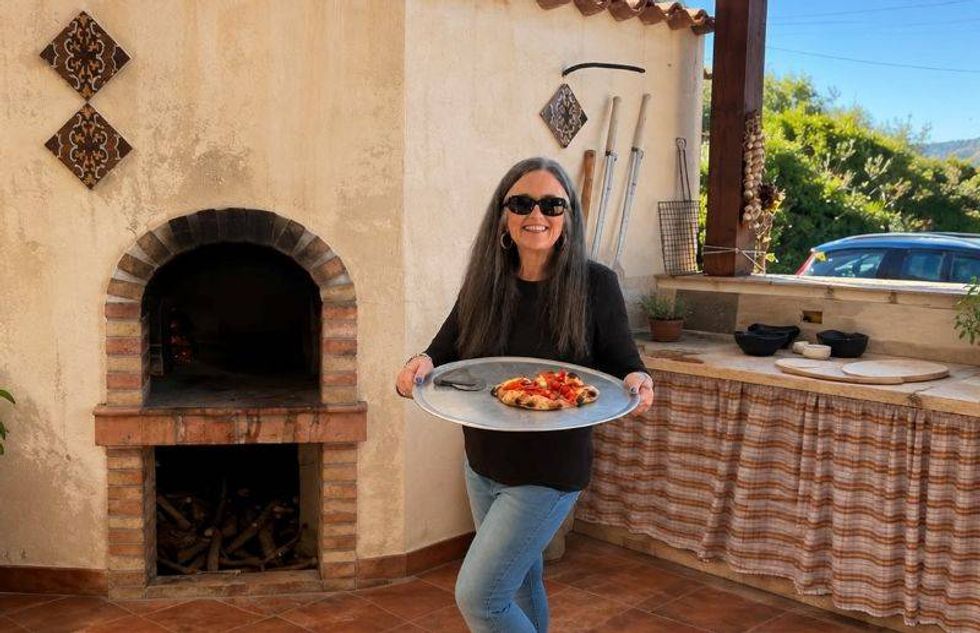
We have our own vineyard, olive grove, bee hives, lavender and a vegetable garden. We make our own olive oil and honey, and we incorporate our homegrown vegetables into meals in our on-site restaurant.
Sitting outside, smelling lavender or strolling through the olive groves has been incredibly healing for me. I’ve learned that taking care of my mental health makes it easier to cope with my physical symptoms.
People often ask how I can run a business while having Ehlers-Danlos syndrome. The answer is simple. I respect my body’s limitations. I rest when I need to, and I stay positive, even when it feels impossible.
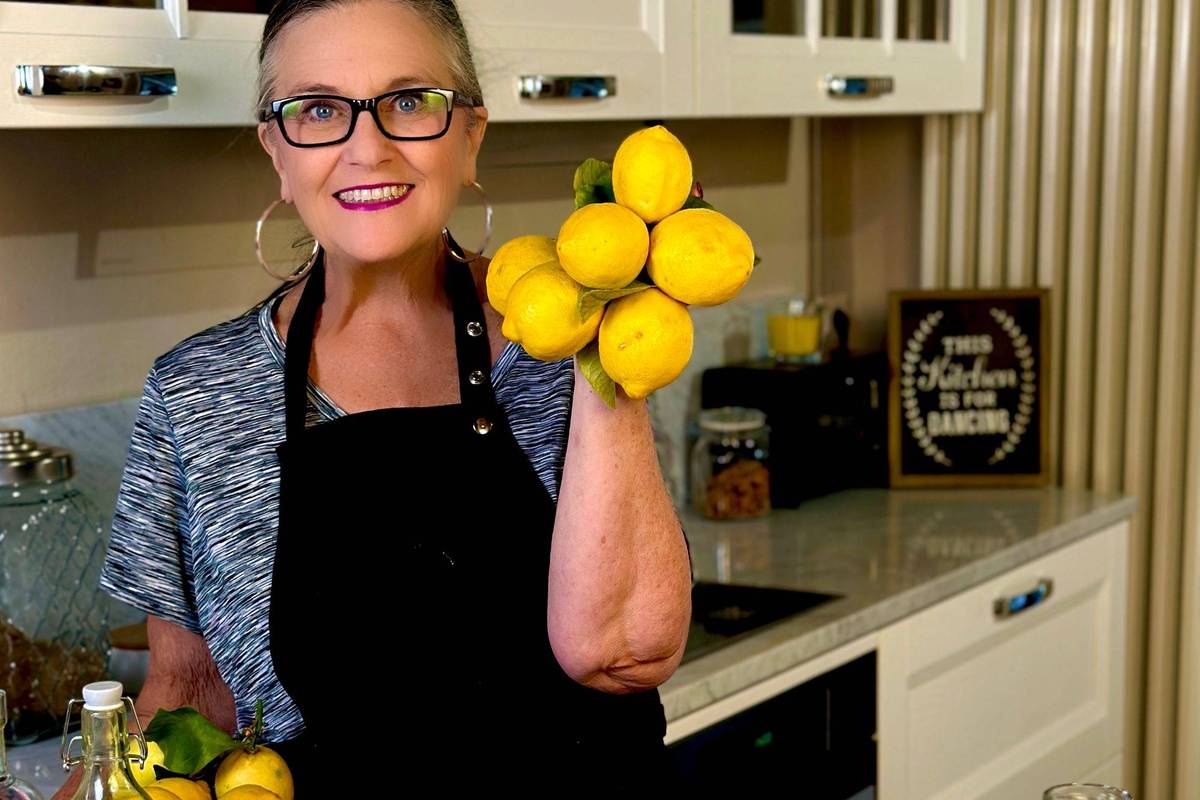
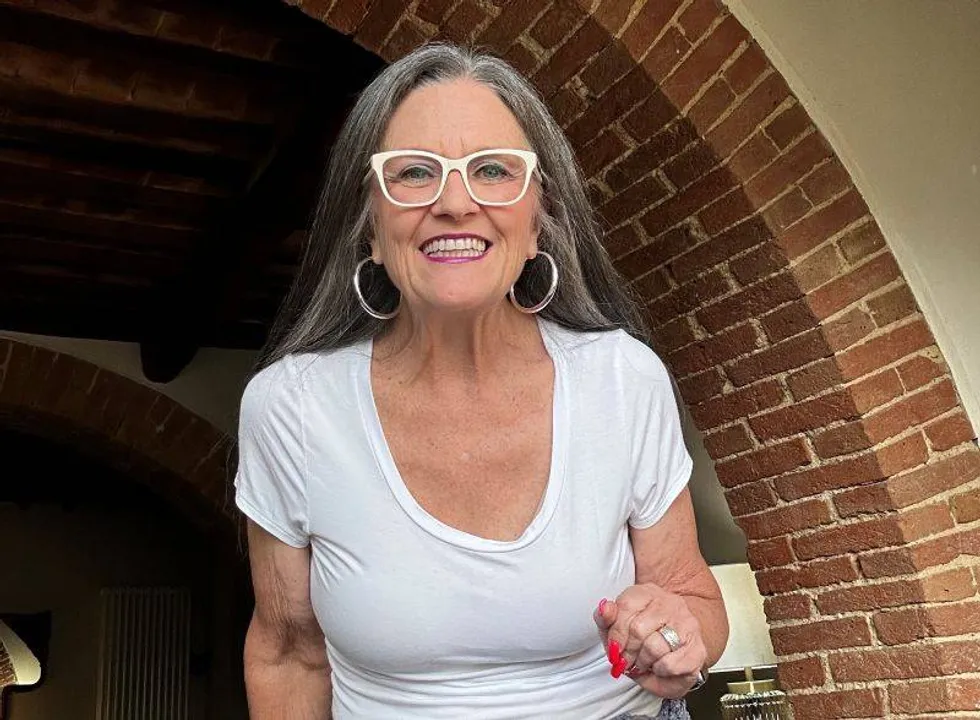
My outlook is my choice, and it’s something I can control even on the hard days. That’s why no matter how I’m feeling, I always wear bright purple lipstick. It’s a reminder that I’m not hiding from anything anymore.
Have your own Real Women, Real Stories you want to share? Let us know.
Our Real Women, Real Stories are the authentic experiences of real-life women. The views, opinions and experiences shared in these stories are not endorsed by HealthyWomen and do not necessarily reflect the official policy or position of HealthyWomen.
- The Christmas That Almost Wasn’t, After I Survived Septic Shock ›
- Living with Chronic Overlapping Pain Conditions ›
- When It Comes to Your Health Care, You're Already the Expert ›