
Search
Latest Stories


Newsletter Sign-Up
Newsletter

February is American Heart Month.
A few weeks ago, as I was wrapping up my physical, my doctor asked, “When was the last time you had an echocardiogram?”
I’d had a super stressful year and didn’t want to think about dealing with one more thing. But my family has a history of heart disease, and I knew that taking this simple test was the right thing for my health.
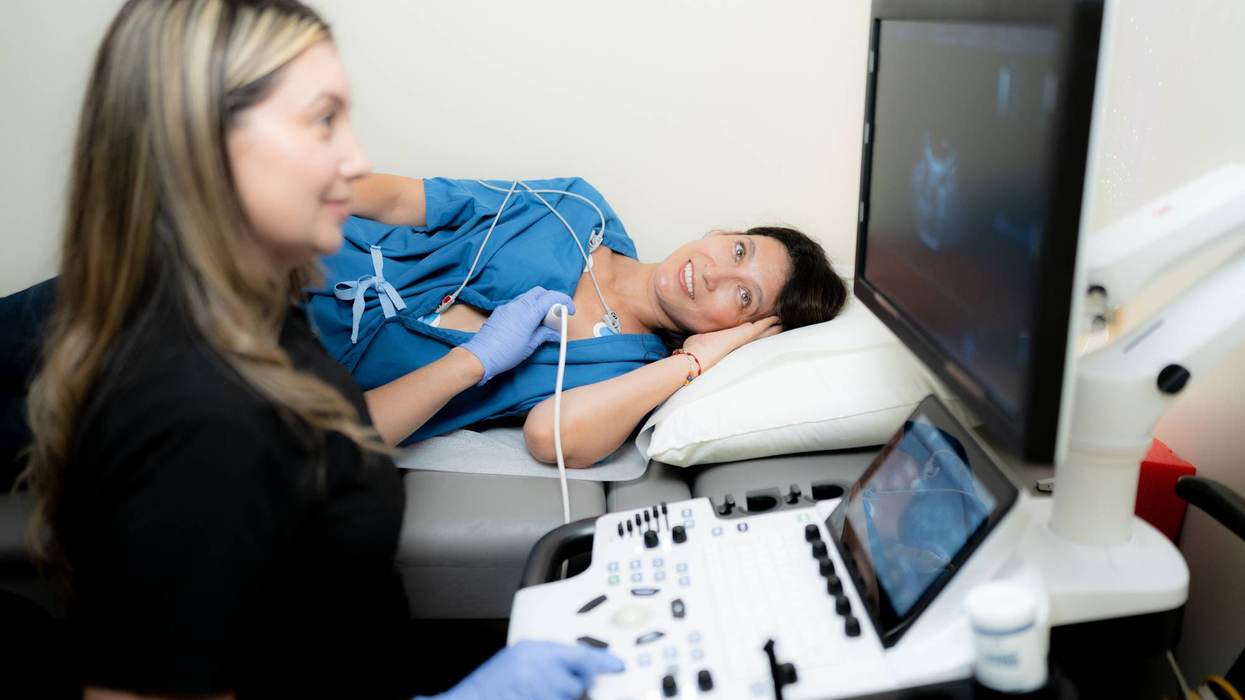
I headed downstairs to the radiology department, script in hand. When the radiologist called me in without much of a wait, I figured at least I’d be out of there quickly. But the echo took much longer than usual. After about 45 minutes, we were thankfully finished. I didn’t give the test a second thought.
That evening, when the results showed up in my portal, I was shocked to find that the echo picked up an irregularity. I immediately wondered if this could be related to the excessive anxiety-induced stress I’d experienced this past year when I made a major life change.
It turns out that a 2025 study from the American Heart Association Journal, Circulation, showed that people who live with depression and anxiety are more likely to have a cardiac event than people without them.
I wanted to find out more, so I reached out to the experts for answers.
The link between mental health, stress and heart disease
According to the findings of the 2025 study, participants who had depression and anxiety had more activity in the amygdala, the region of the brain associated with stress. They also showed signs of an overactive nervous system and higher levels of CRP, a protein linked to inflammation in the body. All of these stress-related symptoms increase the risk of heart disease.
“When people are stressed, they have higher levels of stress hormones like epinephrine, norepinephrine, and cortisol, so heart rate and blood pressure can increase,” said Nieca Goldberg, M.D., FACC, cardiologist at NYU Langone and member of HealthyWomen’s Women’s Health Advisory Council.
Elevated cortisol, also known as the stress hormone, can cause belly fat, which can then lead to higher levels of triglycerides, glucose, higher blood pressure and other risk factors for heart disease. Stress also causes inflammation in the body, which promotes plaque deposits in your arteries. To put it simply, having a mental health disorder like depression or anxiety can increase stress, which then affects your heart health. It’s like a domino effect.
And the more mental health issues you have, the more likely you are to have a cardiac event. The Circulation study said that people who have both depression and anxiety have a 32% higher risk of a major cardiovascular event than those who only have depression.
This is in part because when we’re dealing with multiple mental health issues, like anxiety, depression and PTSD, it becomes really difficult to cope. Goldberg said that when we can’t cope, we tend to make poor lifestyle choices like smoking, drinking alcohol, being sedentary, eating highly processed foods or not feeling motivated to take prescribed medications. Over time, this can lead to increased heart rate and blood pressure, reduced blood flow to the heart and elevated cortisol levels. These symptoms eventually cause calcium buildup in the arteries, metabolic disease and heart disease.
Women and heart disease
Around perimenopause and menopause, estrogen, a hormone that helps protect your heart, drops. Hormonal changes and the physical symptoms of menopause can affect your emotions, and women are more prone to anxiety and depression during this time. Add caregiving and career pressure, and it’s no wonder women in midlife are often overwhelmed. As a matter of fact, middle-aged women are 84% more likely to experience anxiety and 41% more likely to experience depression than men of the same age.
But these stats get even more worrisome. Women who struggle with depression are twice as likely to experience sudden cardiac death. And Black and Brown women, who often have uncontrolled hypertension and diabetes, experience even higher rates of cardiovascular disease than white women overall.
It’s important to note that not all heart disease is linked to mental health or stress. Some of it is genetic or can be caused by environmental factors or other medical conditions. Even so, Goldberg said, “No matter what form of heart disease or condition you have, lowering stress and having a better mental health outlook actually helps outcomes.”
Here’s what you can do to lower your risk of stress-related cardiac disease
Samuel Sears, Jr., Ph.D., psychologist, professor and division chief of innovation research at the East Carolina Heart Institute, suggested cognitive behavior therapy to help with depression and anxiety, which can in turn lower your stress level. “Therapy allows patients to discuss emotions, identify thoughts, and change actions that are causing distress,” Sears said.
In addition to depression and anxiety, lack of sleep can also increase stress because your brain isn’t functioning as well as it should. That’s why Goldberg emphasized that one of the best things you can do for your health is to get a good night’s sleep. “People who have interrupted sleep or sleep apnea syndrome, have higher blood pressure and higher rates of heart arrhythmias,” she said. These symptoms often lead to heart disease.
Goldberg also recommended downloading meditation apps to improve your overall mood and relax your breathing. Eating a healthy diet with fresh fruits and veggies, staying hydrated, quitting smoking and getting 150 minutes a week of aerobic exercise are other ways to reduce stress-related heart disease.
Tai chi, qigong and yoga are gentler options that combine physical, mental and spiritual benefits, improving your overall health.
If you’re still having difficulty managing your stress, it might be time to talk to your doctor about taking antidepressants, including SSRIs, to alleviate symptoms. Research shows that taking antidepressants reduces ER visits and hospitalizations due to cardiac disease.
It’s important to talk about your mental health
Unfortunately, there’s still a stigma around mental health, and people often fear they’ll be judged if they bring up their emotions during a doctor’s visit. But Sears emphasized that it’s important to discuss our feelings. “Emotions are part of the human process, and they should be welcome and open,” he said. If they’re not addressed, they’re going to linger, and potentially cause more health issues down the road.
Goldberg acknowledged that cardiologists don’t usually address mental health issues because they’re pressed for time. But, if you’re struggling, that means it’s important for you to be proactive and advocate for yourself.
Both Sears and Goldberg suggest starting the conversation with these openers:
- I’m concerned about the anxiety I’m having and how it may be affecting my heart.
- I'm looking for a comprehensive plan. What advice do you have for me in terms of stress management?
- What other specialists can I involve in my care to complete my health plan?
Build a mind and body care team
Along with looping in your cardiologist, consider building your own mind and body team that includes the following healthcare providers:
- Nutritionist
- Psychologist
- Physical therapist
- Exercise physiologist
Once you have your team set up, make sure they talk to each other. Communication is the best way to establish a comprehensive health plan.
The bottom line is that speaking up about your mental health can improve your heart health. “Emotions are human. Just let them rip,” Sears said.







Stories We Love
1

2

What Is a Heart-Healthy Diet?
Feb 09, 2024
3

4

5
Cardiac Diagnostic Tests
Oct 13, 2026
6
Pruebas para diagnósticos cardiacos
Oct 13, 2026
Support Our Mission
Keep Trusted Women’s Health Information Free
Your donation ensures every woman continues to have access to credible health content.
More Stories





Everything you need to know about women’s health — in one place.