
On the seemingly ever-changing list of what vitamins and minerals we ought to be taking—and in what amounts—vitamin D has long been a solid, boring standard. For years, we were told that we'd have our needs covered if we drank fortified milk, got a few minutes of daily sun exposure (which delivers the vitamin directly to us through our skin), or took calcium or multivitamin supplements containing additional amounts of vitamin D.
That accepted wisdom is no longer. Recent research shows that many people living in the United States and around the world are getting insufficient levels of vitamin D, putting them at risk for health problems. If you spend a lot of time indoors at work or home, have dark skin, are older or severely overweight or have certain medical conditions, you're more likely to be vitamin D deficient. Even if you spend a lot of time outdoors but wisely cover up with sunscreen or sunblock, you also keep the vitamin D in sunlight from reaching your skin and being stored by your body.
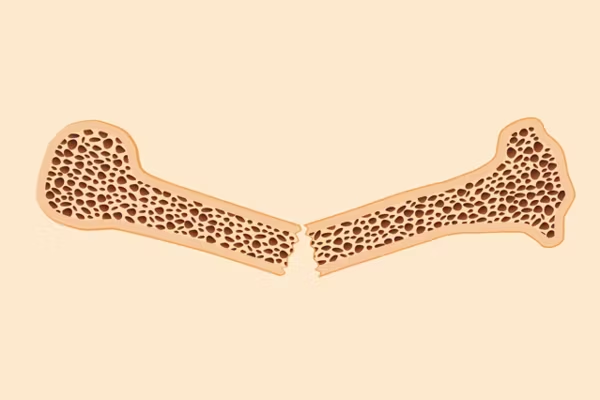
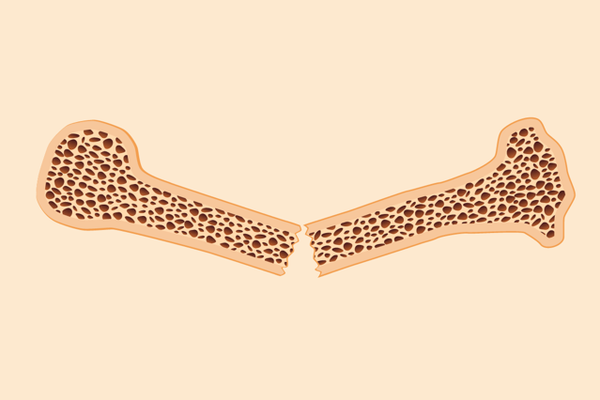
Getting insufficient vitamin D has long been known to contribute to lower bone density, osteoporosis and bone fractures. (Adding vitamin D to calcium supplements helps the body better absorb the calcium it needs.) Now, having low levels of vitamin D has also been linked to cardiovascular risk and death, several cancers (including breast cancer in younger women), liver disease, multiple sclerosis and other autoimmune diseases, diabetes, periodontal disease and falls (caused by weakened muscles).
Although a handful of foods contain vitamin D, it's nearly impossible to eat the amount of the nutrient you need. Sun exposure can be hard to control safely and effectiveness varies. Taking vitamin D in supplement form is the most reliable way to get what you need.
Talk with your health care provider about your specific needs and whether you should have your vitamin D level checked by a simple blood test.
In the United States, the Institute of Medicine (IOM) recently raised its recommended daily level of vitamin D to 600 international units (IUs) for anyone up to age 71 years old, including children, and as much as 800 IUs for those 71 and older. Extreme levels of vitamin D can damage the kidneys and heart and may be associated with other chronic diseases and even death. The IOM established maximum safe levels of vitamin D at 2,500 IUs per day for children ages 1 through 3; 3,000 IUs daily for children 4 through 8 years old; and 4,000 IUs daily for all others.
- How Women of All Ages Can Prevent Osteoporosis ›
- 8 Foods to Eat for Healthy Bones ›
- What Does It Mean if I'm Vitamin D Deficient? ›
- Tips for Getting Enough Vitamin D ›
- 9 Things You Need to Know About Vitamin D ›