
Search
Latest Stories
Newsletter Sign-Up
Newsletter
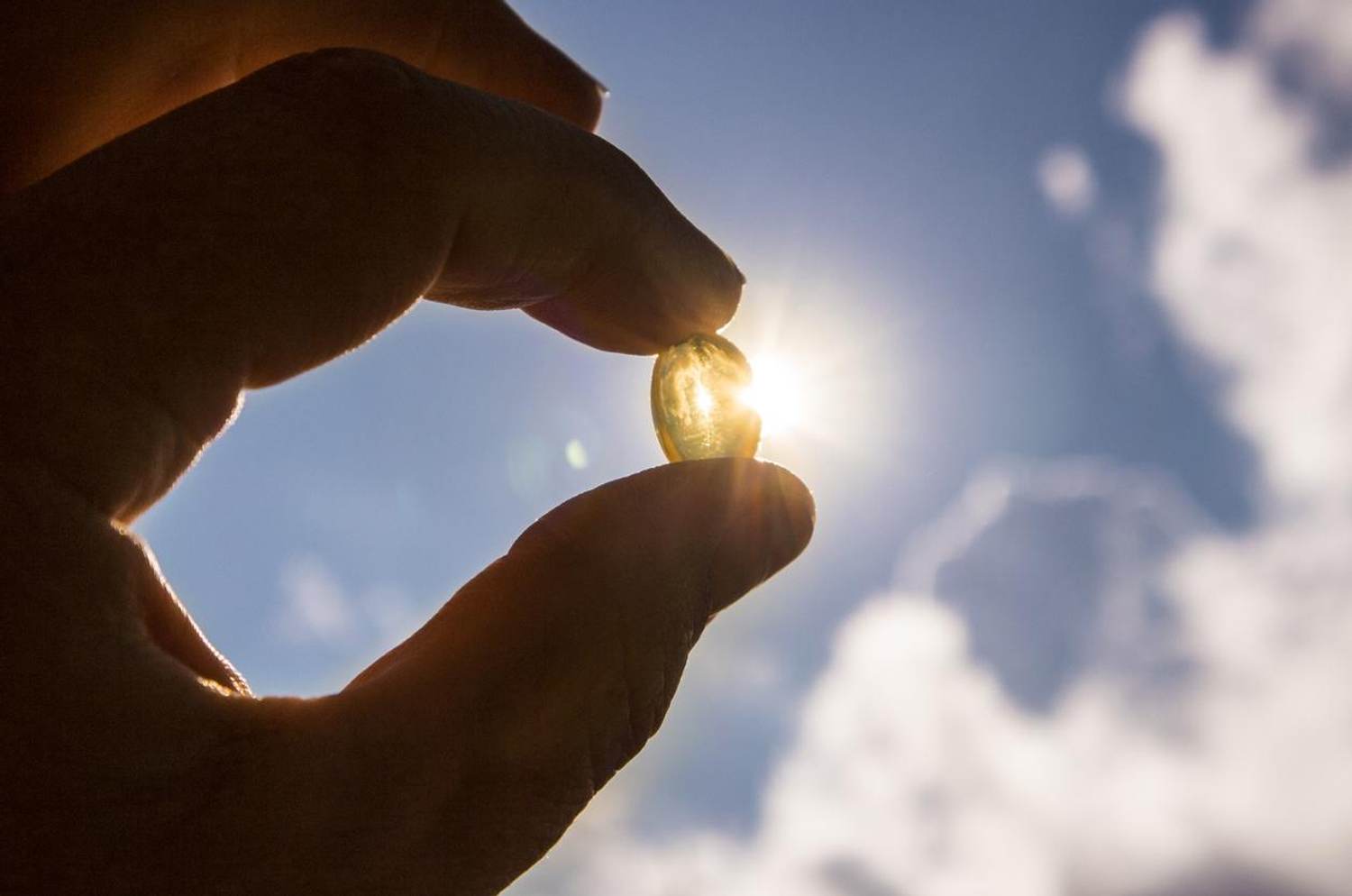
We need enough Vitamin D to stay well and have healthy bones. There’s even some evidence that getting enough vitamin D can lower your risk of dying from cancer or getting Type 2 diabetes.
But have you ever heard the saying, “too much of a good thing?”
When a British man’s overdose on vitamin D sent him to the hospital, many began to wonder about the safety of this vitamin, especially in its supplement form. Read on to learn why vitamin D is so important — and how to get just the right amount of it.
1. Vitamin D is actually a hormone
Yes, you read that right. Vitamin D isn’t just a nutrient you eat or a vitamin you take. Vitamin D is also a hormone that our bodies make when our skin is exposed to sunlight. The process happens because our skin cells have receptors that create vitamin D when they absorb ultraviolet B (UVB) rays.
Not only can your body make vitamin D, but it can make the majority of the vitamin D you need if it gets enough sunlight. If you don’t get enough sun or have a condition that makes it difficult for your body to use the vitamin D it makes, that’s when you may need a supplement. But check with your healthcare provider (HCP) first!
2. Vitamin D is needed for calcium absorption
Also known as calciferol, vitamin D’s main job is to help your body absorb calcium. In fact, we can only absorb calcium — a nutrient you must have for healthy bones — when we have enough vitamin D.
3. Vitamin D is good for women's brain health
A recent study suggests that higher levels of vitamin D may lead to improved memory and cognition for women. This hasn't been fully proven yet — but it can't hurt to make sure you're getting enough vitamin D just in case.
4. A vitamin D deficiency is a serious problem
Having low vitamin D levels is called a vitamin D deficiency. Since our bodies can’t absorb calcium without the help of vitamin D, people without enough vitamin D in their body lose bone density and are at an increased risk for broken bones. They’re also at risk for developing osteomalacia, a disease that softens the bones and makes them painful, and osteoporosis. Osteoporosis is a disease that weakens your bones and increases your risk for broken bones. In the United States, eight out of 10 osteoporosis patients are women.
Read more about osteoporosis >>
Symptoms of a vitamin D deficiency include:
- Fatigue
- Mood changes
- Muscle cramps
- Joint and bone pain
- Bone loss
People with darker skin have a higher risk for vitamin D deficiency because it’s harder for skin with more melanin to turn sunlight into vitamin D. Adults over the age of 65 and people with homebound lifestyles also have a higher risk of having a vitamin D deficiency. In addition, some medications like laxatives, steroids and cholesterol-lowering drugs, can lower your vitamin D levels. Certain diseases, like obesity, Celiac disease, Crohn's disease, kidney disease and liver disease, can put you at risk for a vitamin D deficiency as well.
5. How much vitamin D you need can vary

iStock.com/happy_lark
The recommended daily amount (RDA) of vitamin D is 600 international units (IU) for healthy adults ages 19-70, but those over the age of 70 need a little more: 800 IU. You may need to take more if you’re already vitamin D-deficient or have another health condition, but always check with your own healthcare provider to find out how much vitamin D you need.
6. You can get vitamin D through food
There aren’t many foods that naturally contain vitamin D — salmon, tuna, mackerel, beef liver, cheese and egg yolks are the notable exceptions. But, there are also foods that have been fortified with vitamin D, like cereal and milk, to help us get what we need.
7. Getting vitamin D through food works just as well as getting it through the sun
UV rays help your body make vitamin D, but they can also cause skin cancer. Most of our sunscreens are built to block UVA and UVB rays, so, unfortunately, using sunscreen can decrease vitamin D production.
But don’t throw your skincare to the side — it’s extremely important to prevent skin cancer with thorough sunscreen use. And the good news is that vitamin D from food and from sunlight work equally well in our bodies, so you’re safe to get what you need through both sun exposure and your diet.
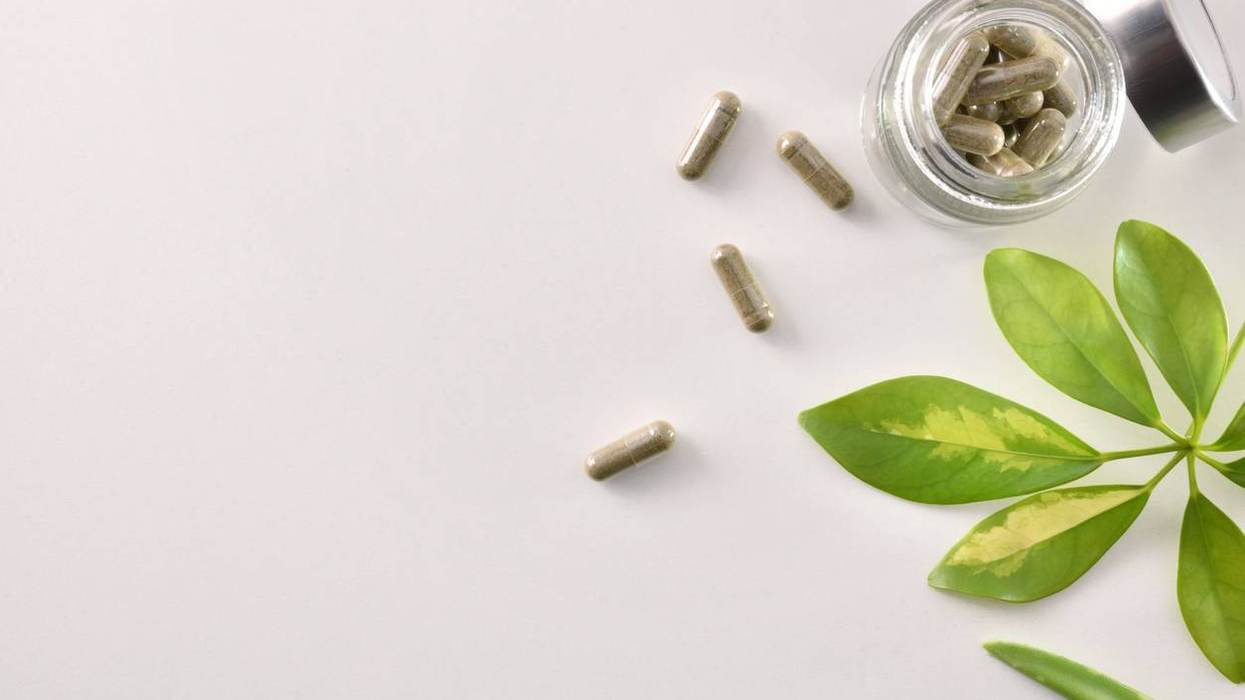
8. You can get vitamin D through supplements

iStock.com/Lyalya Go
Supplements are a way to get vitamin D if you cannot get it through your diet or sun exposure, or if you have a preexisting condition, like osteoporosis, and need more of it.
Many vitamin D supplements are made using sheep’s wool, but plant-derived alternatives do exist for people with dietary restrictions.
But it’s important to note that the New England Journal of Medicine published a study last month that found that taking vitamin D did not lower the risk for broken bones in healthy adults. Plus, vitamin D supplements, when taken in extreme amounts, can be damaging to your health.
There is some research to suggest that vitamin D should be taken with vitamin K to make sure the calcium you're absorbing ends up in your bones instead of other areas of your body, like soft tissues, the kidneys or your heart.
9. You can overdose on vitamin D
Vitamin D is a fat-soluble vitamin. That means extra vitamin D will be stored in our fat if we have more than what we need.
A vitamin D “overdose” is formally called vitamin D toxicity or hypervitaminosis D. When we have far too much vitamin D in our systems, calcium can build up in our bloodstream (a condition called hypercalcemia), causing nausea, vomiting, weakness, frequent urination and possibly kidney and bone problems. You have to take an extremely high amount of vitamin D daily for a couple months to be at risk for this condition. The British man mentioned above took 150,000 IU of vitamin D daily for a couple months.
Worried you might be getting too much vitamin D from sunlight? Don’t worry, that’s impossible. Once our body has created enough vitamin D, sunlight destroys the extra. And, there isn’t enough calcium in foods (even in calcium-fortified foods) to cause this kind of imbalance.
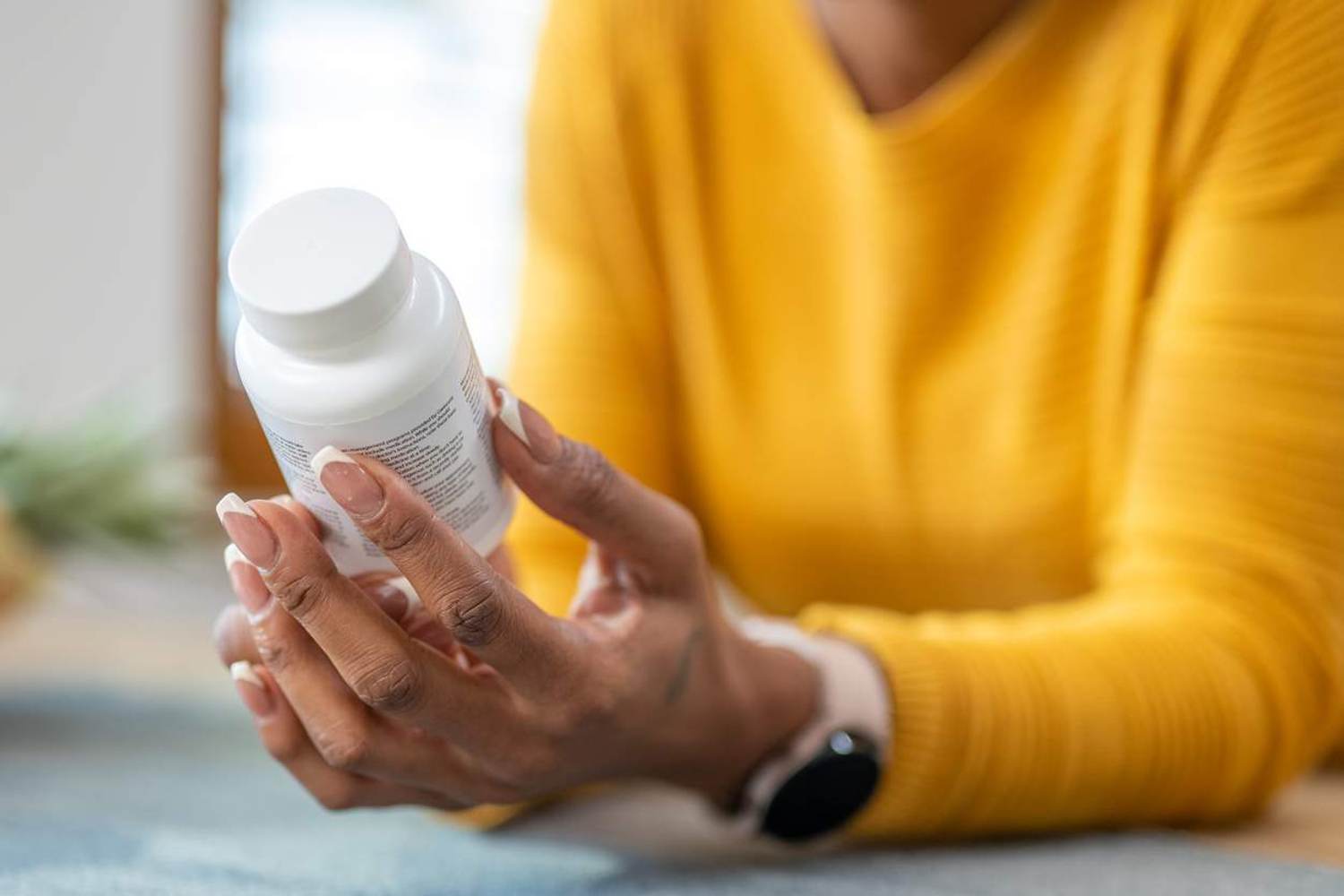
The only way to overdose is through taking vitamin D supplements. That’s why you should always check your supplement label to see how many IU of vitamin D they contain and check with your HCP about what you need. Anything that seems too over the top — like vitamin D infusions or supplements claiming to cure all your ailments — is probably too good to be true.
10. Getting vitamin D can be fun
Vitamin D is an anti-inflammatory antioxidant that supports your immune system, muscles and brain cells.
All those long words make getting vitamin D sound super serious. But getting vitamin D doesn’t have to be a chore. Taking a walk outside or trying a new salmon recipe are great ways to protect your bone health — and your overall well-being too.





Stories We Love
Support Our Mission
Keep Trusted Women’s Health Information Free
Your donation ensures every woman continues to have access to credible health content.
More Stories


Everything you need to know about women’s health — in one place.