

Search
Latest Stories


Newsletter Sign-Up
Newsletter
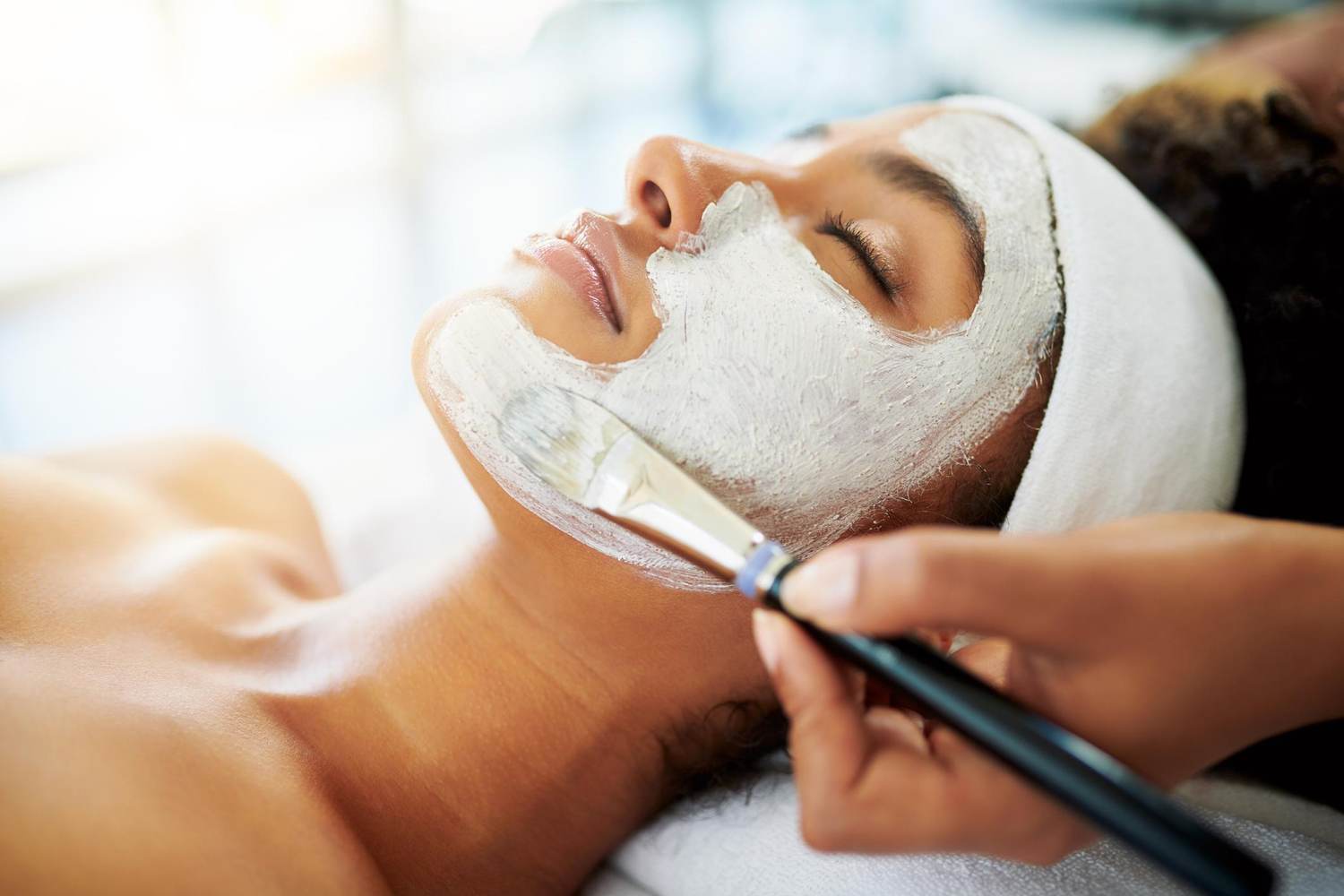
What is it? The American Society of Plastic Surgeons (ASPS) calls chemical peels "one of the least invasive ways to improve your skin's appearance." It involves using an acid-based solution to blister and peel the top layer or layers of your skin, revealing smoother skin beneath. Peels are light, medium or deep, depending on the level of damage you're trying to improve.
Top Five Nonsurgical Cosmetic Procedures:
|
Why might I get it done? To reduce the appearance of acne scars, age and sun spots, fine lines and wrinkles, freckles, rough skin and scaly patches, scars and sun damage.
Who is it appropriate for? People with sun-damaged or unevenly colored skin.
How is it done? A peel takes between 30 minutes and three hours, depending on the type used. Your face is cleaned, then a chemical solution composed of several acids is brushed on and left for up to 10 minutes with a mild peel, longer with a medium peel. Then the solution is neutralized and cleaned.
With a deep chemical peel, you are given a cream or lotion to use for up to eight weeks to thin the top layers of the skin. The solution is left on for up to two hours and covered with petroleum jelly or strips of adhesive tape for two days.
What is the pain factor? Ranges from mild stinging with a mild peel to significant enough to require a topical anesthetic to numb the skin and a sedative to relax you with a deep peel.
How long does it last? Depends on the level of peel. The ASPS says the results of a deep peel can last up to 10 years; milder peels last between a few months to a year.
Who does it? While aestheticians may provide mild chemical peels, medium and deep peels should only be performed by a qualified dermatologist or plastic surgeon.
Risks and warnings: Your skin may remain stark white after some deeper peels, although properly preparing the skin can reduce this risk. Other risks include scarring, infection, cold sores and long-term redness. Some people also develop acne after a peel or small cysts from blocked oil glands.
Cost: Cost varies depending on the level of peel with mild peels costing around $100 and deeper peels several thousand dollars.
Recovery time and considerations: Depends on the peel. Mild peels require no downtime while it may take up to six weeks for your skin to return to normal after a medium chemical peel. With a deep peel, the swelling may last up to two weeks; redness up to three months. With the deeper peels, water blisters form that may break, crust over and peel off. And remember: your "new" skin is more sensitive to the sun so cover up accordingly!







Popular
1

Redheads and Pain
Jun 26, 2024
2

Breast Asymmetry: 9 Reasons You Have Uneven Breasts
Aug 14, 2023
3

Your Eyelashes as You Age
Aug 26, 2012
4

9 Ways Menopause Can Give Your Sex Drive a Boost
Aug 02, 2023
5

Top 8 Healthy Sleep Habits
Mar 08, 2023
6

It's (Exercise) Snack Time!
Mar 29, 2023
Support Our Mission
Keep Trusted Women’s Health Information Free
Your donation ensures every woman continues to have access to credible health content.
More Stories





Everything you need to know about women’s health — in one place.