What Is Eosinophilic Esophagitis (EoE)?
Learn about EoE, how to spot symptoms and what you can do to treat it

May 22, 2026, is World Eosinophilic Esophagitis (EoE) Day.
More than 470,000 people in the United States are living with eosinophilic esophagitis (EoE), a condition that was once considered rare but has gotten more and more common over the last two decades.
Knowing what EoE is can help you figure out whether it may be affecting you.
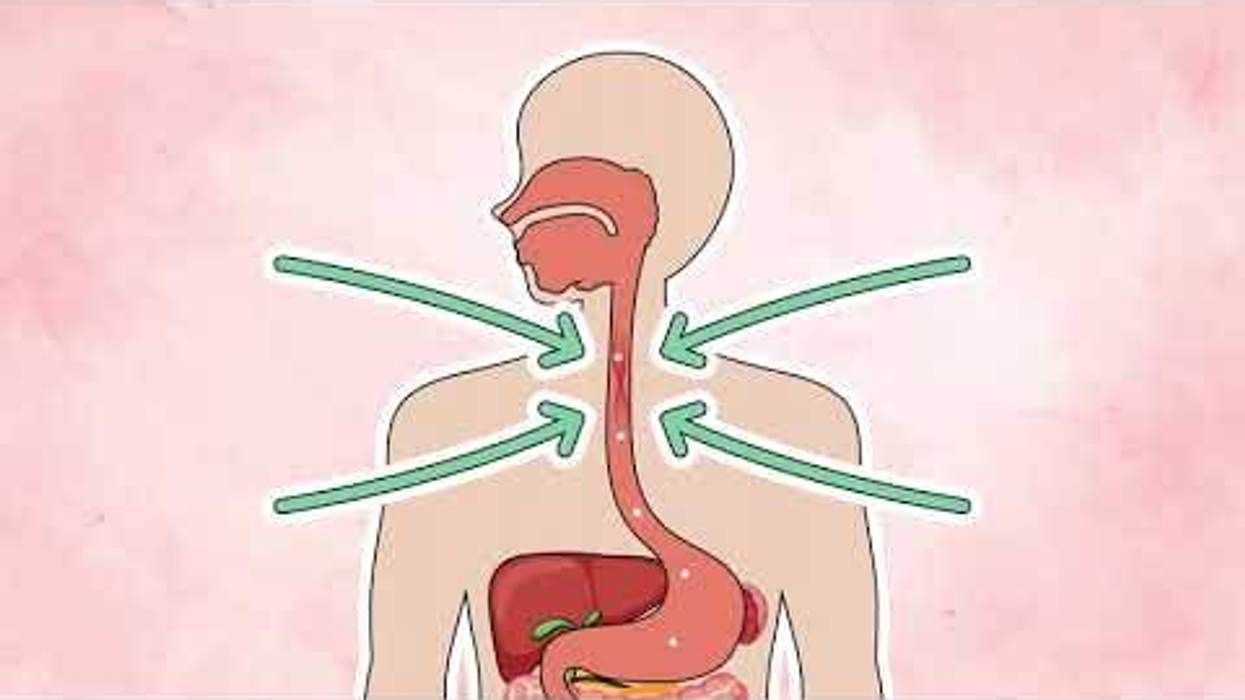
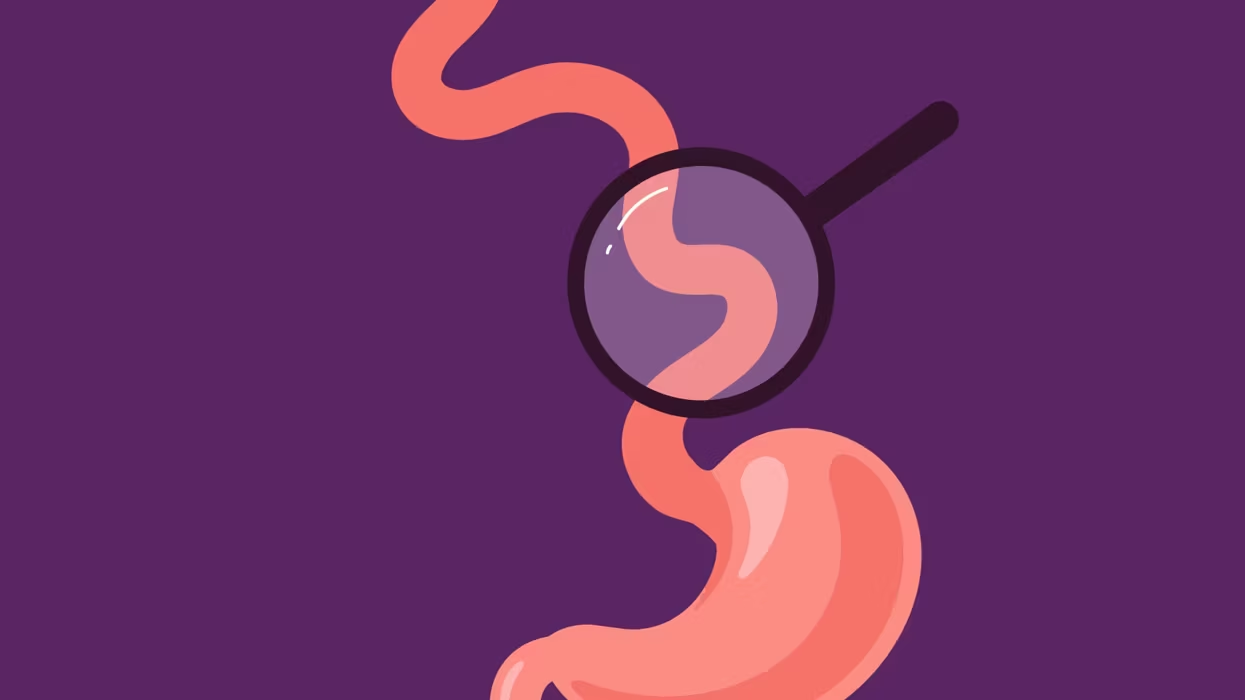
EoE is a chronic (long-term) immune condition that affects the esophagus, the tube that connects your mouth to your stomach. EoE happens when a type of white blood cell called an eosinophil builds up in the lining of this tube. The buildup causes chronic inflammation (swelling) in the esophagus that can lead to symptoms of EoE.
When a person has EoE, their immune system floods the esophagus with white blood cells as a response to triggers such as certain food and environmental allergens, touching the lining of the esophagus. This abnormal response by the immune system is known as Type 2 inflammation.
Allergens like pollen, mold, dust and animal hair can trigger EoE. But the main cause of EoE are immune reactions to food.
Foods that can trigger EoE include:
Note: Not everyone with EoE reacts to the same foods, and testing cannot reliably predict which foods are triggers.
EoE looks different at different ages. Babies and young children may not want to eat and may spit up or vomit more frequently, have stomach pain, have disrupted sleep, and not grow properly.
For older kids and adults, the main symptoms of EoE are:
These symptoms may come and go, flaring up only once in a while, or they may be constant. Even when you don’t have symptoms, you still have EoE because it is a lifelong, chronic condition.
Read: When My Son Was Diagnosed With EoE, Our Family’s World Was Turned Upside Down >>
EoE can affect anyone at any age, but certain risk factors may make a person more likely to have the disease. Your chances of having EoE are higher if you have:
Because the symptoms of EoE are similar to those caused by other health problems that affect the esophagus, like gastroesophageal reflux disease (GERD) or a food allergy, it can be tricky to diagnose.
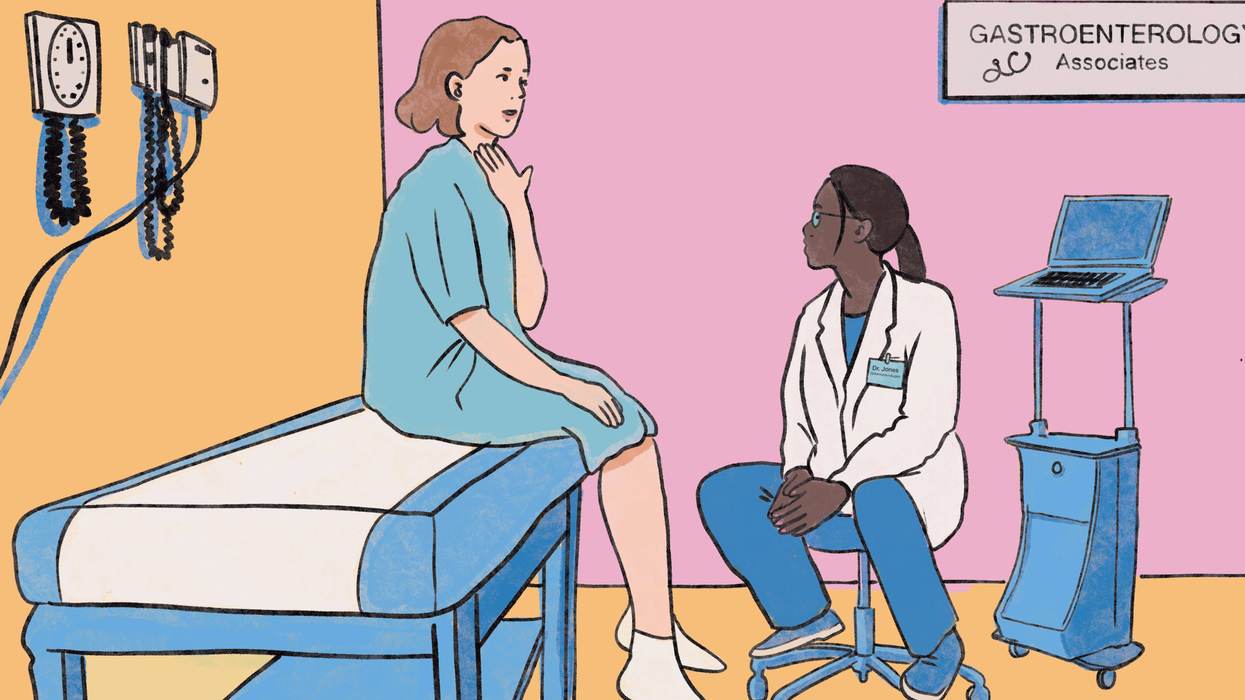
If your healthcare provider (HCP) thinks you may have EoE, they will send you to a gastroenterologist (GI doctor), which is a doctor who diagnoses, treats and manages diseases of the digestive system. They will look at your symptoms and do some tests, which may include:
While there is no cure for EoE and it is a lifelong, chronic disease, it can be treated. Gastroenterologists treat and manage EoE. Allergists may also be part of your care team. While they cannot diagnose or treat EoE itself, they can help manage conditions that co-exist with EoE, such as food allergies.
The best treatment for you depends on your unique health situation. Some of the treatment options for EoE are:
Treatments may change over time as your response and/or lifestyle change, so you should re-evaluate your treatment options with your HCP frequently. Since symptoms alone cannot determine whether you’re responding to treatment, repeated endoscopies and biopsies will be needed to measure your response to treatment and disease activity or progression. Together, you and your HCP can come up with a plan to treat your EoE on an ongoing basis.
If you think you may be having EoE symptoms — particularly if you also have allergies, asthma or other conditions that may put you at risk — talk to your HCP. Catching EoE early helps prevent damage to your esophagus that can happen over time. And the sooner you get a diagnosis, the sooner you can start managing your EoE so you feel better.
This educational resource was created with support from Regeneron, Sanofi and Takeda.









Support Our Mission