

Search
Latest Stories




Newsletter Sign-Up
Newsletter

May 22, 2026, is World Eosinophilic Esophagitis (EoE) Day.
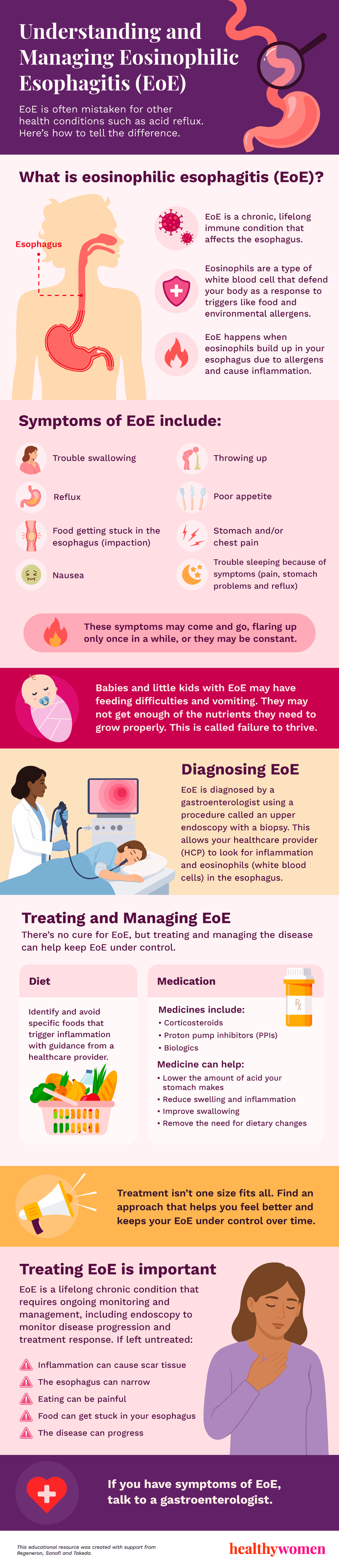
What is eosinophilic esophagitis (EoE)?
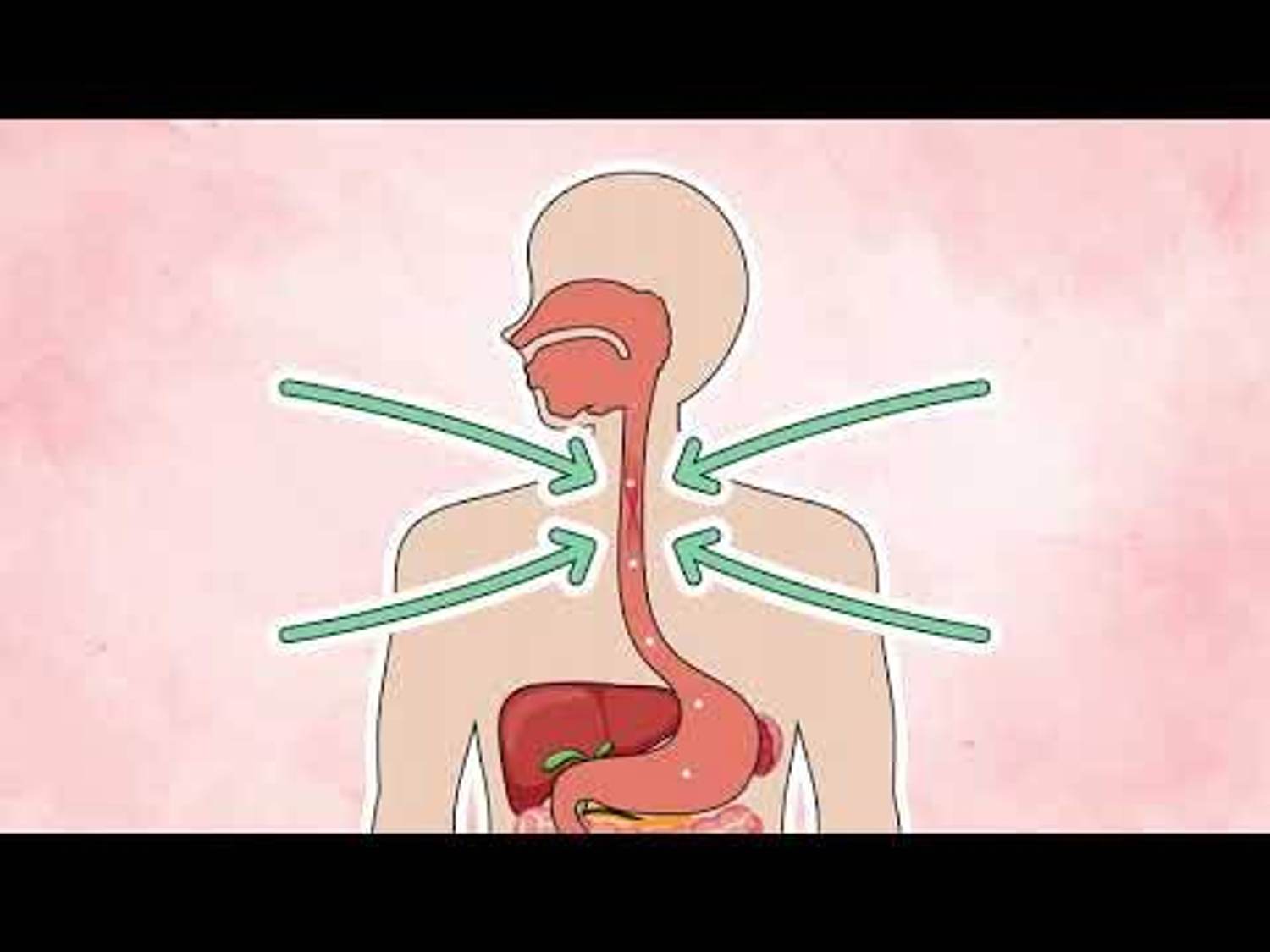
EoE is a chronic, lifelong immune condition that affects the esophagus.
Eosinophils are a type of white blood cell that defend your body as a response to triggers like food and environmental allergens.
EoE happens when eosinophils build up in your esophagus due to allergens and cause inflammation.
Symptoms of EoE include:
- Trouble swallowing
- Reflux
- Food getting stuck in the esophagus (impaction)
- Nausea
- Throwing up
- Poor appetite
- Stomach and/or chest pain
- Trouble sleeping because of symptoms (pain, stomach problems and reflux)
These symptoms may come and go, flaring up only once in a while, or they may be constant.
Babies and little kids with EoE may have feeding difficulties and vomiting. They may not get enough of the nutrients they need to grow properly. This is called failure to thrive.
Diagnosing EoE
EoE is diagnosed by a gastroenterologist using a procedure called an upper endoscopy with a biopsy. This allows your healthcare provider (HCP) to look for inflammation and eosinophils (white blood cells) in the esophagus.
Treating and Managing EoE There’s no cure for EoE, but treating and managing the disease can help keep EoE under control.
Diet
Identify and avoid specific foods that trigger inflammation with guidance from a healthcare provider.
Medication
Medicines include:
- Corticosteroids
- Proton pump inhibitors (PPIs)
- Biologics
Medicine can help:
- Lower the amount of acid your stomach makes
- Reduce swelling and inflammation
- Improve swallowing
- Remove the need for dietary changes
Treatment isn’t one size fits all. Find an approach that helps you feel better and keeps your EoE under control over time.
Treating EoE is important
EoE is a lifelong chronic condition that requires ongoing monitoring and management, including endoscopy to monitor disease progression and treatment response. If left untreated:
- Inflammation can cause scar tissue
- The esophagus can narrow
- Eating can be painful
- Food can get stuck in your esophagus
- The disease can progress
If you have symptoms of EoE, talk to a gastroenterologist..
Resources
American Gastroenterological Association – Quiz: Do I have EOE?
American Partnership for Eosinophilic Disorders
This educational resource was created with support from Regeneron, Sanofi and Takeda.








Popular
1

2

¿Qué es la urticaria crónica espontánea (UCE)?
Jun 29, 2026
3
Biologics for Treating Asthma
Sep 22, 2026
4
Comic: Edna Gets an Endoscopy
Aug 05, 2026
5

What Is Chronic Spontaneous Urticaria (CSU)?
Jun 29, 2026
6

Metabolic Syndrome 101
Sep 28, 2026
Support Our Mission
Keep Trusted Women’s Health Information Free
Your donation ensures every woman continues to have access to credible health content.More Stories



Everything you need to know about women’s health — in one place.