Hormone Treatments for Uterine Conditions
Finding the right treatment plan may improve quality of life. Here’s what you need to know about hormone treatments for uterine conditions.

William Shakespeare clearly had uterus on the mind when he wrote, "Though she be but little, she is fierce!”
Your uterus is small — about the size of a clenched fist — but it’s a powerful organ that wears many hats. From protecting human life to regulating menstrual cycles, the uterus is important to reproductive health and your health overall.
So, it’s no surprise that having a uterine condition can be life-altering — and not in a good way. Conditions such as endometriosis and uterine fibroids can cause heavy bleeding during your period and pain that can drastically impact quality of life.
Although endometriosis and uterine fibroids are common conditions, we still don’t know a lot about them or how to treat them. For many women with uterine conditions, hormonal drugs are the first line of treatment.
Hormone therapies are treatments that regulate estrogen, progesterone and/or testosterone to treat symptoms of uterine conditions.
These medications are not a cure for uterine conditions, but they can play an important role in relieving symptoms, including heavy menstrual bleeding, by thinning the lining of the uterus, controlling menstrual cycles and shrinking estrogen-fed fibroids.
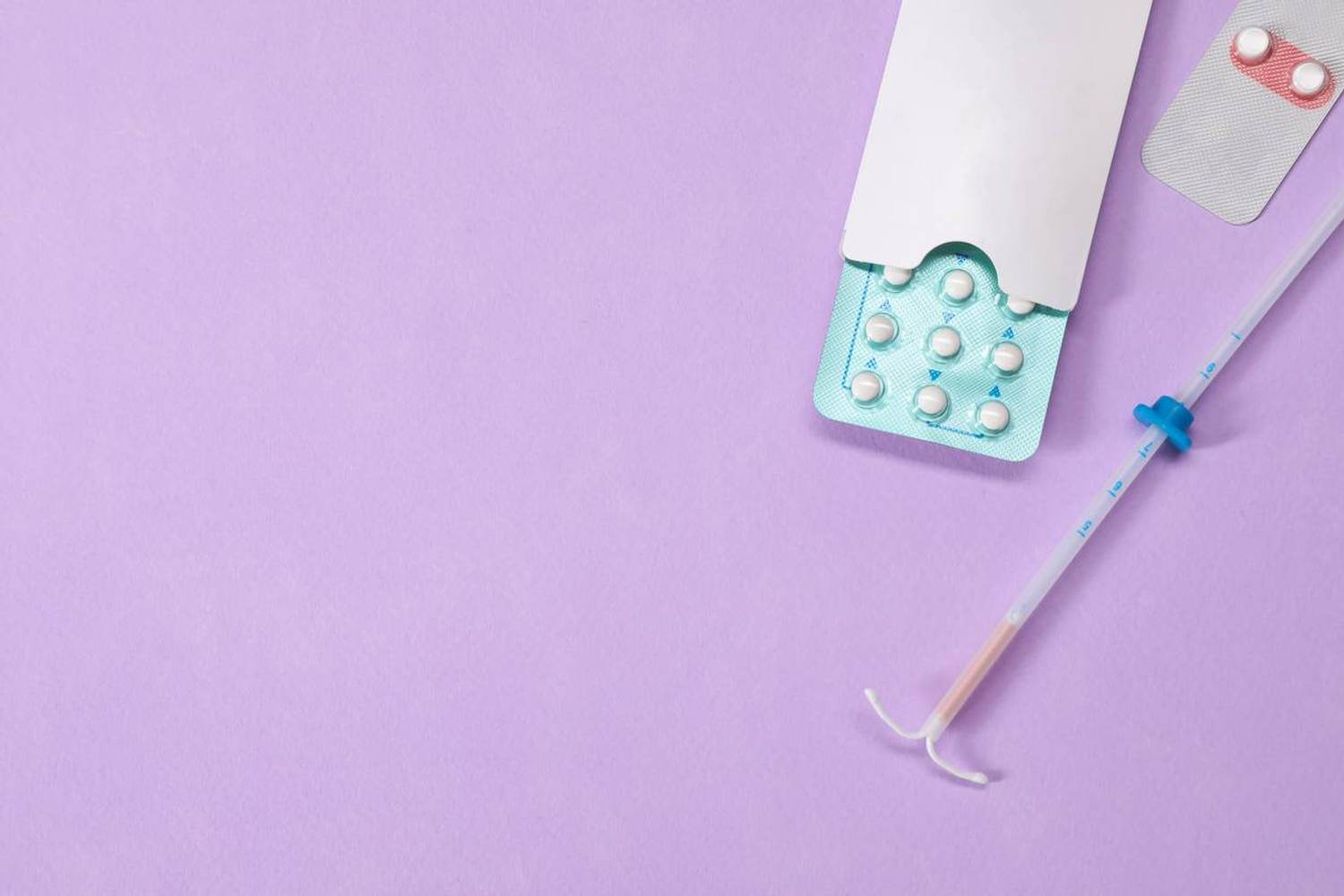
Birth control pills are usually the first line of treatment for endometriosis and uterine fibroids. But if birth control pills don’t help with symptoms — or you can’t take them for medical reasons — there are other hormonal treatment options to try for uterine conditions.
Hormonal treatment options for uterine conditions can include:
Like pretty much all medications, there are benefits and risks to hormone treatments.
The benefits of hormonal medications can include:
The risks of hormonal therapies can include:
Some hormonal medications are taken for a short time to help improve conditions before surgery — like shrinking or reducing fibroids or lesions — and provide relief from symptoms. For example, GnRH agonists like leuprolide acetate can be taken for six months — or 12 months when paired with low-dose estrogen or progestin — because symptoms return after you stop taking the medication, and treatment may cause bone loss over time.
Research shows that hormonal medications are often effective in relieving symptoms and can improve quality of life for many women with uterine conditions, although they are not an option for everyone.
It’s important to talk to your OB-GYN to find the right treatment for you, especially if you’re having pain and/or heavy flow during your period.
Here are some tips for talking to your HCP:
The shared decision-making process between you and your HCP can help you get the facts you need to make the best decision possible for your health and your quality of life.
This educational resource was created with support from Sumitomo Pharma America, a HealthyWomen Corporate Advisory Council member.







Support Our Mission