

Search
Latest Stories





Newsletter Sign-Up
Newsletter
Video/Image | Voiceover/Audio |
The Connection Between Burn Pits and Lung Cancer | |
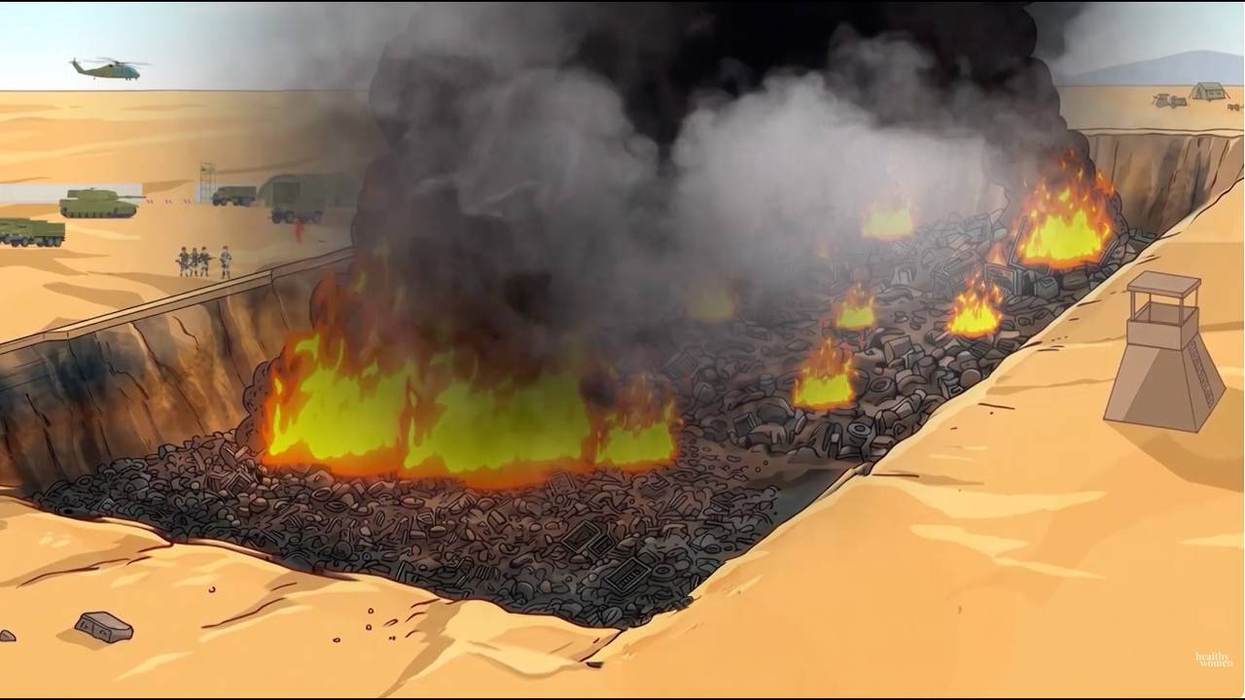
Animation: An open-air burn pit with people tossing different things into it - a biohazard container, weapons, chemicals, supplies. Pan to a military base nearby showing where servicemen and women live. | For decades, the U.S. military used burn pits to dispose of waste during deployments. These open-air fires burned everything from weapons and fuel to plastics, chemicals — and even human waste. Burn pits were often located close to where service members lived and worked. |
3.5 million Represent 3.5 million servicemembers somehow, both men and women | An estimated 3.5 million U.S. veterans and active-duty service members may have been exposed to toxic burn pit fumes during their service. |
Toxins depicted on screen Burn pits have been linked to respiratory illnesses:
Burn pits are linked to lung cancer 2x the risk | These fumes contain cancer-causing chemicals like benzene and dioxins and fine particulate matter, which has been linked to respiratory illnesses like COPD, chronic rhinitis, chronic sinusitis and constrictive bronchiolitis. Growing evidence suggests a concerning connection between these exposures and lung cancer. In fact, veterans have more than twice the national average risk of this disease. |
Lung cancer is the leading cause of cancer death Symptoms include:
| When it comes to lung cancer, catching it early is key. Symptoms to watch out for can include: chronic coughing, coughing up blood, recurring respiratory infections, shortness of breath, chest pain, swelling in the neck or face, difficulty swallowing, and unexplained weight loss. |
A female servicemember talking to a healthcare provider A female servicemember going in for a CT scan | If you suspect you’ve had burn pit exposure, ask your healthcare provider about lung cancer screening, which is typically performed through a low-dose CT scan. |
Animation: A robotic-assisted bronchoscopy in action looking for lung cancer nodules | Newer technology, like robotic-assisted bronchoscopy, can help physicians more accurately diagnose lung cancer. |
Promise to Address Comprehensive Toxics (PACT Act) Animation: A computer database with a list of names of military personnel being added to it with a person overseeing it Animation: A female servicemember at the VA office getting a health checkup | The military and the VA have recognized the risks of burn pits and have taken action to assist service members and veterans who may have been exposed. In 2022, the Promise to Address Comprehensive Toxics — also known as the PACT Act — significantly expanded VA healthcare and benefits for veterans exposed to burn pits, Agent Orange and other toxins. If you were deployed to certain locations, you’ve been automatically added to the Airborne Hazards and Open Burn Pit Registry. This helps the VA monitor your health over time and can make it easier to access screenings, care and benefits if health issues arise. |
Animation: A veteran living a happy life, going for a walk outside with a friend and laughing and smiling | On-the-job exposures to toxins from burn pits can be scary — but staying aware of symptoms and prioritizing regular health screenings can help you take proactive steps toward protecting your long-term health. |
This resource was created with support from Intuitive. |








Popular
1

Bye, Bye, Itch! Managing Chronic Hives at Home
Sep 23, 2026
2

Biologics for Treating Asthma
Sep 22, 2026
3
How EoE Affects Your Daily Life
Sep 24, 2026
4

5
Biofármacos para el tratamiento del asma
Sep 22, 2026
6

10 Reasons You Might Have Blood in Your Urine
Feb 24, 2025
Support Our Mission
Keep Trusted Women’s Health Information Free
Your donation ensures every woman continues to have access to credible health content.More Stories








Everything you need to know about women’s health — in one place.