May is Mental Health Awareness Month.
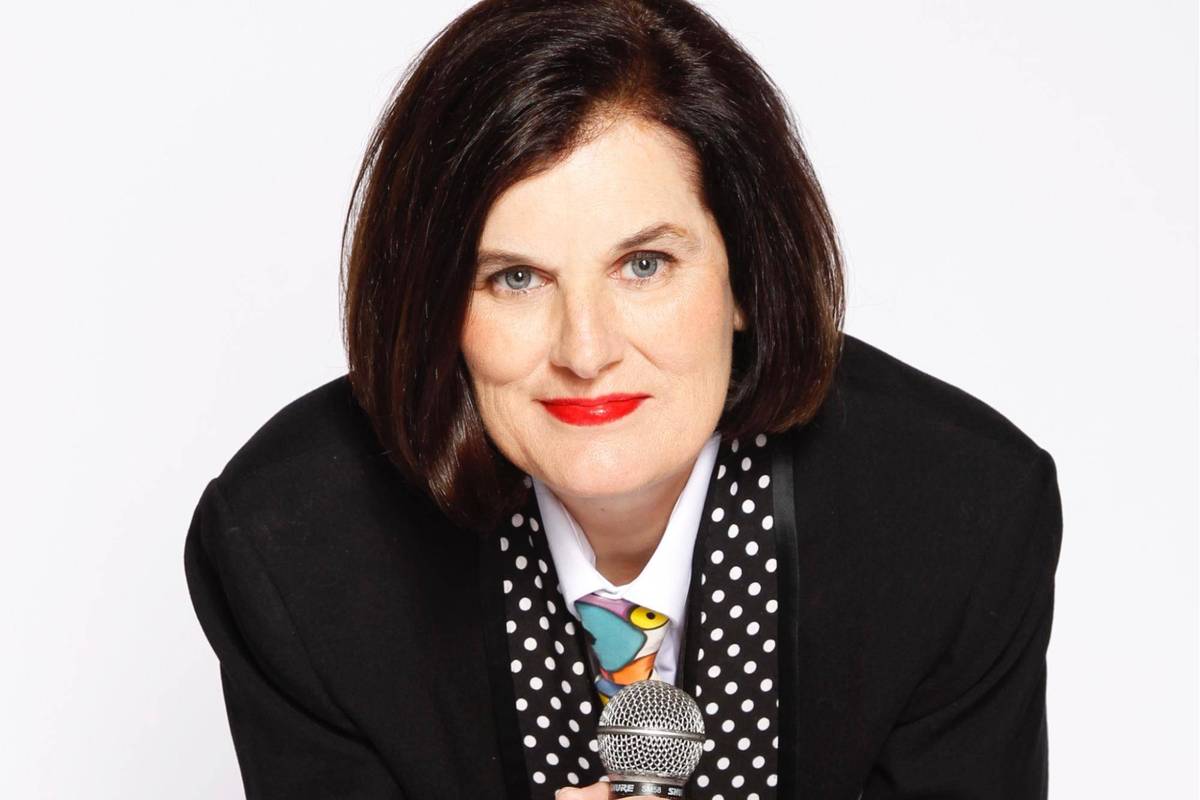
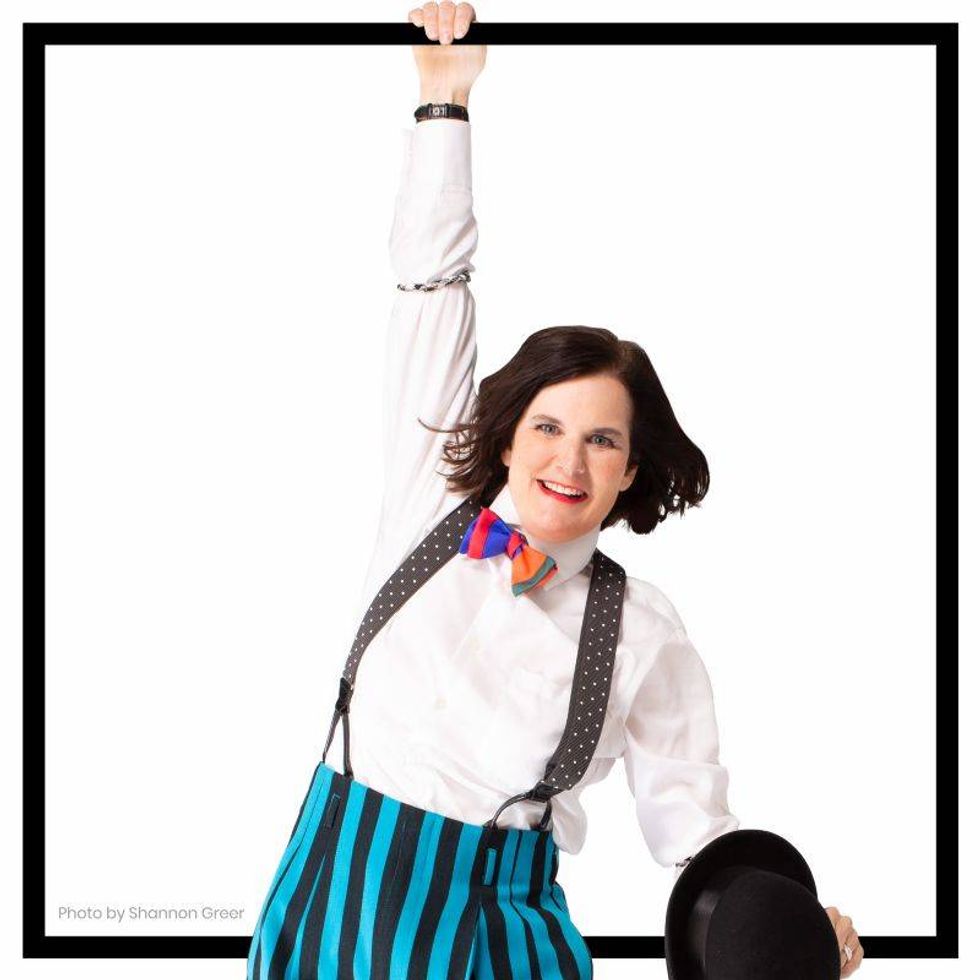
When comedian Paula Poundstone steps on stage, sporting one of her well-known zoot suits, she takes the microphone and does what she does best — make people laugh.
What her audience may not realize, though, is that throughout her life, Poundstone has dealt with obsessive-compulsive disorder (OCD), a mental health condition that causes obsessive thoughts that lead to compulsions, and depression. Doing stand-up comedy is just one way she’s managed her conditions.Diagnosed with OCD
Although Poundstone believes she may have had OCD as early as fourth grade, she was officially diagnosed about 25 years ago.
“I would find someone I was obsessed with, and I would call that person a lot,” Poundstone said. “I also had repetitive thoughts. For example, my friend Martha was a staff member at a school I attended. All day long I would think, ‘Martha doesn’t like me.’ Eventually, I would ask Martha, and she would say, ‘That’s not how I feel.’ Then I’d feel this huge relief,” explained Poundstone.
“But the second I’d hang up, I’d think, ‘Martha doesn’t like me.’ I would think it over and over and over again,” Poundstone said.
After she was diagnosed by a mental health professional, Poundstone said that just knowing why she was having these types of obsessive thoughts helped her somewhat.
She was prescribed a medication to help with her OCD, and she took it, but it introduced a whole new set of problems.
“It was my fault because it said to be careful if you drink with this medication. I was being so careful, but I think that the two things interacted poorly,” she said.
For Poundstone, mixing the medication with alcohol made her OCD worse. She ended up having a lot more symptoms than she’d had before.
“I spent about a day or two where I felt like I had to walk like a knight in chess. I could go two steps forward, but then one step sideways. Packing to go on tour took forever. It was hellacious,” recalled Poundstone.
When she stopped taking the medicine, her symptoms went away. Even though she no longer has OCD symptoms, she thinks they’re like a sleeping tiger that may come back one day.
For people who don’t understand how OCD feels, she likes to reference the movie Close Encounters of the Third Kind.
In one scene, the character Roy Neary, played by Richard Dreyfuss, begins to shape his mashed potatoes at dinner into the form of Devils Tower National Monument. His wife and kids are upset and crying. He says, “This is important. This means something.”
“And no one else gets it. They had no idea what he was doing or talking about. Even if it did mean something, why did he need to make it out of mashed potatoes?” said Poundstone. His compulsion to make that shape is what OCD can feel like to some people.
Dealing with depression
Over the years, different therapists have diagnosed Poundstone with depression.
“I think I’ve probably had it my whole life. I mean, it’s biochemical,” she said. She discovered what most helped her when she was working on a book called The Totally Unscientific Study of the Search for Human Happiness, which she published in 2017. “The purpose was to make jokes, but the premise was quite sincere. The whole premise was that I was doing experiments — things that I or other people thought would make me happy. Each chapter was a different experience.”
The first one she did was the “Get Fit” experiment, where she introduced exercise into her life.
Turns out, it’s exactly what worked for her.
“Exercise is one of the things that causes that happy chemical release,” Poundstone said. When exercising, the body can release feel-good endorphins that may help with depression and anxiety.
“I was so hoping it was going to turn out to be just sitting in a chair eating Doritos, but it isn’t,” said Poundstone.
Because she knows it helps with depression, Poundstone walks any time she can. Whether it’s taking out her dog, to do chores or go to appointments, she walks.
She also jumps on a pogo stick, and each day, she adds one jump. As of our interview, she was up to 55 jumps.
Poundstone is talking about mental health — and people are listening
On her podcast, “Nobody Listens to Paula Poundstone,” which just recorded its 400th episode, Poundstone often talks about mental health.
“It’s important because ‘Nobody Listens to Paula Poundstone’ is your comedy field guide to life, and nearly everybody has some sort of mental health something,” she said. “I would say the challenge of a mental health problem is this feeling that, somehow, you’re the only one who has it, and that is just not true.”
In addition to being comedy, Poundstone said that the podcast also has the backbone of real information, and she likes sharing things that she thinks are important for listeners to know.
Poundstone also jokes about her mental health in her comedy routines, not only to help herself, but her audience as well.
“Comedy is a coping mechanism that nature’s given us,” she said. “One of the things about comedy is there’s this kind of laugh that I call the ‘recognition laugh.’ That’s where people are laughing not because what you said is so terribly clever, but because they think, I have that. I do that. A lot of times, [the topics are] things that we don’t generally talk about — and mental health definitely falls into that category.”