

Search
Latest Stories

Newsletter Sign-Up
Newsletter
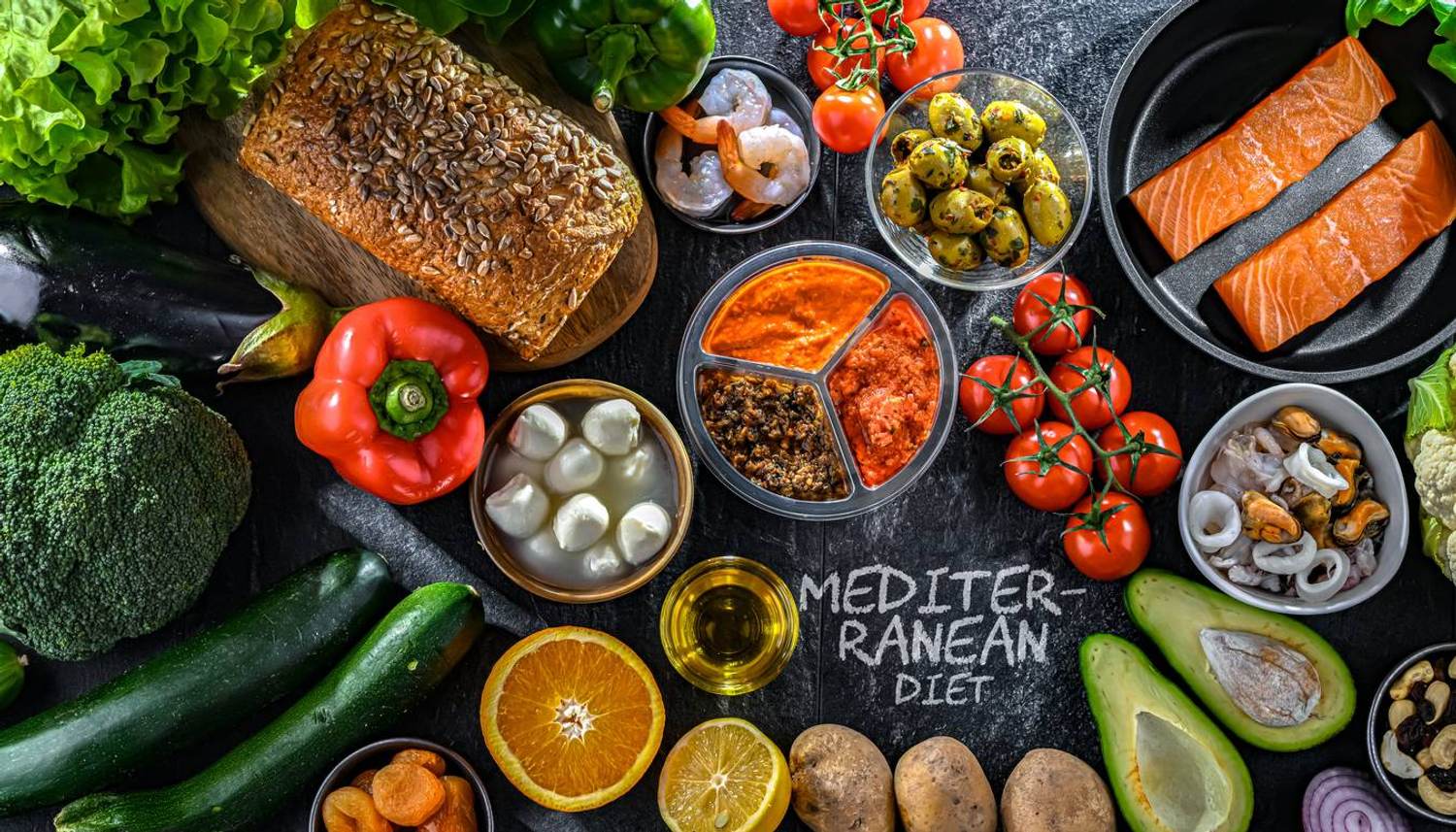
We’ve all heard that a Mediterranean diet rich in legumes, veggies, olive oil, fish and lean meats is good for us. The evidence is clear: It lowers the risk of dementia, depression, breast cancer and diabetes. That’s why, last year, after visiting southern Spain, I decided to incorporate most of these healthy foods into my diet, while also cutting out ultraprocessed junk food.
But now there’s one more reason to make the switch. A new study from the American Academy of Neurology suggests eating a Mediterranean diet can significantly reduce your risk of stroke. In the study, 105,000 women ages 38 to 67 who followed a Mediterranean diet were 18% less likely to have a stroke compared to those who didn’t.
“The Mediterranean diet is linked to improvements in blood pressure, cholesterol, insulin sensitivity and inflammation, all key drivers of stroke risk,” said Michelle Routhenstein, MS, RD, CDCES, CDN, preventive cardiology dietitian at EntirelyNourished.com.
Why lowering your risk of stroke is important
A stroke happens when a blood clot or hemorrhage cuts off the blood supply to your brain. In the U.S., 1 in 5 women between the ages of 55 and 75 will have a stroke during her lifetime. The risk increases in women as they age, especially once they hit menopause. That’s because hormonal changes can affect blood pressure, cholesterol and vascular stiffness. As a matter of fact, stroke is the third leading cause of death in women.
Luckily, there are easy ways to make your shopping list more heart healthy. Your life really could depend on it.
Here’s how to change up your grocery cart to incorporate foods from the Mediterranean diet.
- Replace butter with olive oil
“Swapping butter, a source of saturated fat, for olive oil introduces healthier unsaturated fat into your diet,” Routhenstein said. Look for extra-virgin olive oil in a dark glass container. And make sure the source comes from one country like Italy or Spain so it’s as pure as possible without additives.
Other heart healthy oils to add to your pantry include avocado, canola, walnut and almond oils.
- Include more plant-based foods in your diet
Challenge yourself to shop the outer aisles of the supermarket, skipping the middle sections. This ensures you fill your cart with fruits and vegetables.
Routhenstein suggested starting gradually and building small, sustainable habits. Eventually, 50% of your dinner plate should be made up of colorful fruits and vegetables.
Add a side of whole grains like quinoa, brown rice or oats. And leave the refined grains like white breads, pasta and flour tortillas on the shelf. Top off your plate with plant-based proteins like legumes, beans and tofu.
- Make sure red meat is not the main event
According to the American Heart Association, red meat — beef, pork and lamb — is high in saturated fat. Replace it with fresh fish, poultry and plant proteins to reduce your risk of stroke. “Fatty fish like salmon, sardines, mackerel, trout and herring are all excellent sources of omega-3 fatty acids. They reduce inflammation, improve cholesterol and support vascular function,” Routhenstein said. Aim for two to three servings a week.
When you do eat meat, choose lean cuts and make sure your serving size is about 3 ounces, or the size of a deck of cards.
- Cut out smoking and alcohol
A person who smokes 20 cigarettes a day is six times more likely to experience a stroke than a nonsmoker. That’s because tobacco contains thousands of toxic chemicals that affect your circulatory system. “Smoking damages blood vessels, raises blood pressure and accelerates plaque buildup,” Routhenstein said.
Alcohol isn’t much better. It’s linked to over 1 million strokes a year worldwide. According to the World Health Organization, no amount of alcohol is safe to drink. It can cause high blood pressure, atrial fibrillation, diabetes, obesity and liver damage. Leave the alcohol on the shelf and replace it with a nonalcoholic beverage. Or, if you do drink, have no more than two glasses a day.
- Cut down on dining out
Restaurant foods often contain hidden ingredients that affect heart health. Excess butter and oils high in saturated fat can raise LDL cholesterol. Salt, yeast extract and MSG — all the ingredients that make restaurant food taste so flavorful — have lots of salt. This raises high blood pressure and causes water retention. Added sugars contribute diabetes and inflammation. “While these ingredients make foods taste richer, they can silently increase the risk of stroke and other cardiovascular conditions when consumed regularly,” Routhenstein said.
By making sure you stay stocked up on healthy food, you can limit how often you dine out or order in, and cook at home instead. When you do go out for dinner, choose grilled, baked or steamed entrees and avoid fried food. Routhstein suggested choosing potassium-rich sides, like baked potatoes, to balance out high-sodium foods. And don’t be afraid to tell them to hold the salt.
Stay the course when it comes to the Mediterranean diet
The key to staying healthy on a Mediterranean diet is consistency. “Long-term, sustainable dietary patterns have the strongest impact on stroke prevention,” Routhenstein said. Set small, attainable goals and stick to them. It starts with your shopping cart.







Popular
1

2

5 Ways to Help Him Last Longer in Bed
Aug 05, 2014
3

Don't Panic at Your Child's First Pubic Hair
Dec 14, 2015
4

Why Some Women Don’t Have Orgasms
Nov 01, 2021
5

What to Do When Your Partner Is Addicted to Porn
Aug 18, 2017
6
Intimacy Without Intercourse
Sep 27, 2011
Support Our Mission
Keep Trusted Women’s Health Information Free
Your donation ensures every woman continues to have access to credible health content.More Stories







Everything you need to know about women’s health — in one place.