

Search
Latest Stories





Newsletter Sign-Up
Newsletter

by Austin Kise, Men's Health Network
It's Men's Health Week! And with it comes a great opportunity to shine a light on the unique health concerns of men and boys. While it's easy to think of male health as something that affects only individual boys and men, the impact is far broader. Men's health affects men, women, children, their families and their communities.
When a woman is diagnosed with breast cancer, there's no question that the effect is life-changing for her and her family. The same is true when a man is diagnosed with prostate cancer.
Because both breast and prostate cancers affect intimacy, it's easy to see how their effects go far beyond the patient. But these are only two of the conditions that impact the partnership and family.
In fact, almost all of the diseases that are highlighted during men's health week— including cardiovascular disease, diabetes, lung cancer and even depression—extend to the whole family. For example, if a man is depressed, regardless of the reason why, his depression may rob him of his energy and drive. It may also decrease his libido and/or cause erectile dysfunction (ED). ED is also a common symptom of diabetes and heart disease.
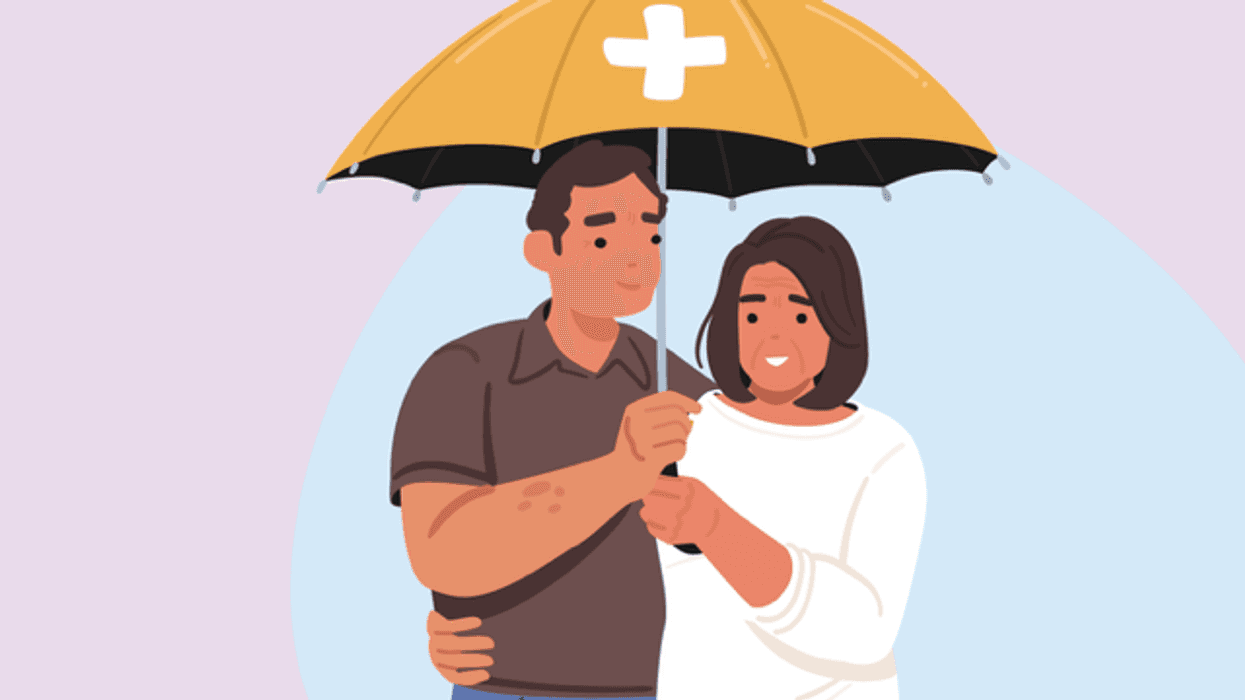
Failure to address health issues can have a ripple effect. Being incapacitated can jeopardize a man's family finances. His family may have to relocate, postpone or cancel educational or employment opportunities or lose their health insurance coverage. And, the lack of insurance is a significant predictor of poor health outcomes. Clearly, it's critical that we use Men's Health Week to improve the state of men's health—and by extension—the health of their families.
Men's health—or rather the "lack of men's health"—is a major public health problem across the United States. Today, men are dying on average 5 years younger than women. They also lead women in 9 out of 10 of the top causes of death, have a higher rate of workplace injuries and fatalities, and are nearly four times as likely to commit suicide.
So what gives?
There are several reasons why men's health is struggling, but one of the most critical reasons is the way men view their health. From a very young age, boys are taught that if you fall off your bike and bruise your elbow, you walk it off and man up. As they grow up and start showing signs of a chronic condition, they retain that mentality and neglect to seek medical attention. If we want to change the state of men's health, and consequently family health, we need to start changing the way men think. Men's Health Week presents the perfect opportunity to do exactly that.
Each year Men's Health Week is celebrated on the national, state and local levels. It's always the week leading up to and including Fathers Day (this year, June 15-21). Private businesses, government agencies, churches, fraternities and other organizations host health screenings, educational, and other awareness events. And, most importantly, individual men and women make a commitment toward a healthier lifestyle.
Here are some tips on how we can make this Men's Health Week the best one yet:
- Fathers should set an example for their children by making an appointment with a health care provider for a checkup. Healthy men make healthy families.
- Send a clear message that asking for help when it's needed is a sign of strength, not weakness. Men are just as likely as women to suffer from a mental health issue, but are less likely to be diagnosed—and 4 times more likely to commit suicide. Working together, we can end the stigma around men and mental health.
- In the public health realm, make sure the connection is clear between a man's health and the health of his family and community. Most people intuitively understand the role mothers play in supporting their children's health. Too few understand that having a healthy father is just as important.
- Participate in the Men's Health Month #ShowUsYourBlue day on Friday, June 19. Send in pictures of you and your friends wearing blue and post them on social media using #ShowUsYourBlue.







Stories We Love





Support Our Mission
Keep Trusted Women’s Health Information Free
Your donation ensures every woman continues to have access to credible health content.
More Stories








Everything you need to know about women’s health — in one place.