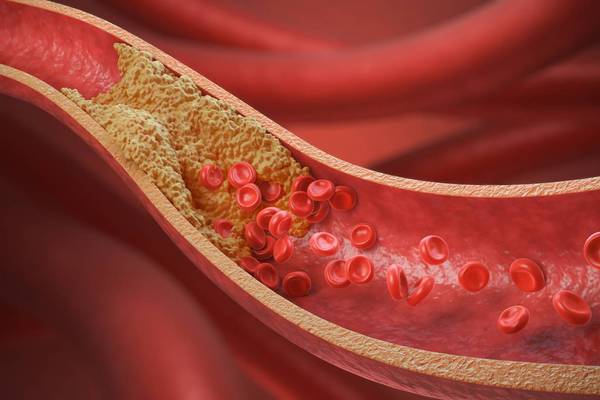
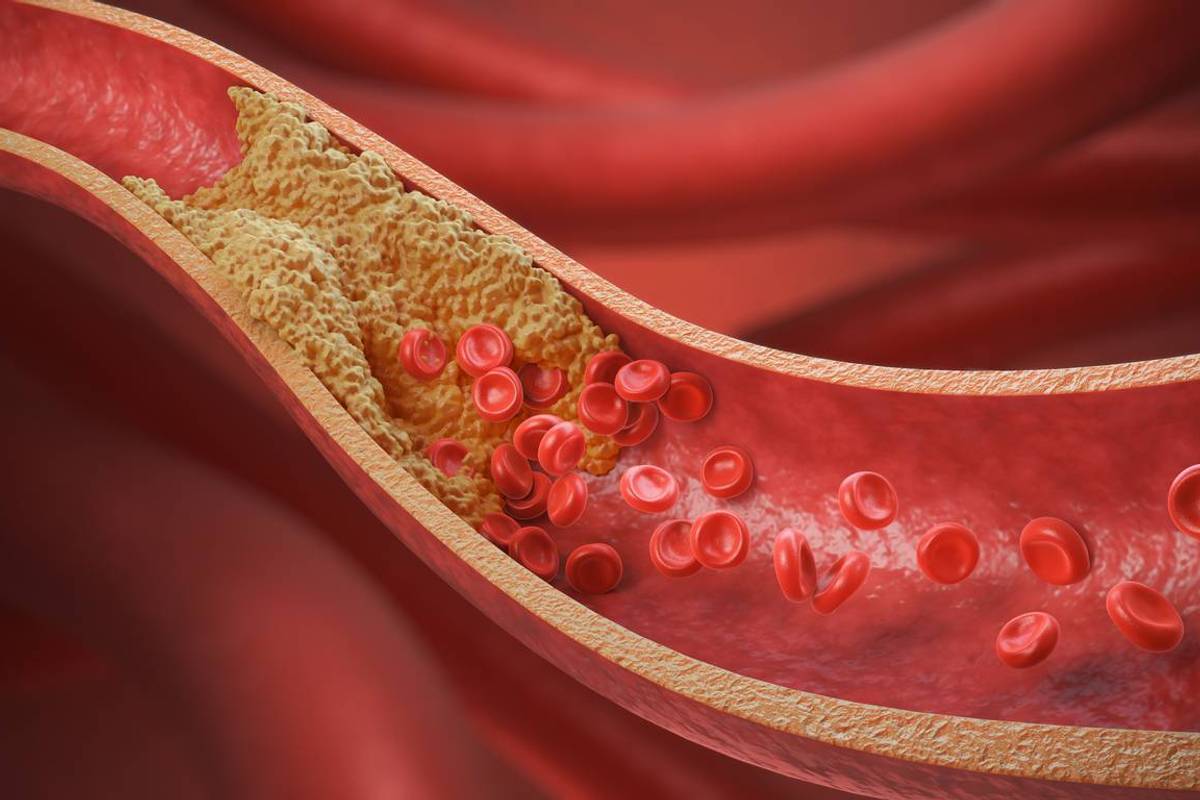
Heart disease continues to be the leading cause of death in women, regardless of age. High cholesterol levels can cause plaque to build up in the arteries, a condition known as atherosclerosis, which can partially block blood flow to the heart and the rest of the body. This can increase the risk of heart disease.
So, if it’s been a while since you’ve had a cholesterol test, you might want to make an appointment to get your levels checked. And if your cholesterol numbers have always been normal, you might find that after menopause, your cholesterol levels have gotten worse, due to declining estrogen.
High cholesterol is a common condition, and women are slightly more at risk for it than men. Get the scoop on what you need to know about how cholesterol can affect your heart health and the steps you can take to keep your numbers in check.
What is cholesterol?
Cholesterol is a waxy, fatty substance that’s made in your body. You also get cholesterol from eating animal fats.
Cholesterol gets a bad rap, but it’s important for your overall health. Your body uses cholesterol as a building block to make vitamin D and hormones like estrogen, progesterone and cortisol. It also plays a role in digestion by making bile, a substance that breaks down fats in food.
You need cholesterol for your body to work as it should, but too much of some types can be harmful to your health.
LDL vs HDL vs triglycerides
Cholesterol circulates in your blood and travels throughout your body. It’s the job of lipoproteins, like low-density lipoprotein (LDL) and high-density lipoprotein (HDL), to carry this cholesterol throughout the body. Lipoproteins are a mixture of fat (lipids) and protein. LDL and HDL have different roles:
- LDL: Known as “bad” cholesterol, high amounts of LDL can increase the risk of heart problems, like a heart attack or stroke.
- HDL: Known as “good” cholesterol, HDL carries LDL from areas of the body and brings it to the liver, where it’s broken down and removed. High amounts of HDL are a good thing — they might decrease the risk of heart attack and stroke.
Triglycerides aren’t actually cholesterol — they’re a common type of fat that your body stores when you have unused calories. While they aren’t cholesterol, triglycerides are lumped in with LDL and HDL when testing because they can contribute to the risk of heart and artery problems.
What do my numbers mean?
To determine your cholesterol levels, your healthcare provider will perform a blood test called a lipid panel, which includes:
- LDL
- HDL
- Triglycerides
- Total cholesterol — which is the total amount of cholesterol in your blood
Total Cholesterol = HDL + LDL + (Triglycerides/5)
Your numbers are either at a healthy level, borderline high or high. Adults with low risk for heart disease should have their cholesterol checked every 4–6 years. If you have risk factors for heart disease, your healthcare provider (HCP) may want to test you more often.
LDL
An LDL level of 100mg/dL or lower is in the healthy range.
New guidelines recommend that people with intermediate or higher risks for heart disease aim for even lower LDL levels. People who are on statins or have certain cardiovascular risk factors should talk to their HCP about what their goal numbers should be because they might be different.
Higher levels of LDL can put you at risk for plaque buildup and future heart disease.
HDL
Your age and biological sex determine how high your HDL should be:
- Age 19 and younger: 45mg/dl or more
- Males: 40mg/dl or more
- Females: 50mg/dl or more
Triglycerides
You should aim for a triglyceride level of less than 150mg/dL.
Total cholesterol
High cholesterol is when your total cholesterol level is over 200mg/dL.
What is the risk of having high cholesterol?
High cholesterol — or specifically, high LDL-cholesterol — is a risk factor for atherosclerosis, which is plaque buildup can lead to health conditions like:
- Chest pain
- Coronary artery disease, the most common type of heart disease
- Heart attack
- Stroke
You might be at risk for heart disease if:
- Your total cholesterol levels are higher than 200
- Your HDL is below 50 if you’re female (below 40 if male)
- Your LDL is over 100
- Your triglyceride levels are higher than 150mg/dL
What can I do to lower my numbers or prevent high cholesterol?
One of the problems with high cholesterol is that you don’t know you have it until you get a blood test to check your numbers. High cholesterol doesn’t cause any symptoms until a complication happens.
If your blood test shows elevated LDL, triglycerides or total cholesterol, you can take steps to lower your numbers or prevent high cholesterol from happening.
Starting a cholesterol medication can help lower your risk of heart attack and stroke. Statin medications are usually tried first to lower your LDL and are the main class of medications for high cholesterol.
Lifestyle changes can help prevent heart disease and lower your numbers. These include:
- Eat a healthy diet, which includes good fats like avocado, olive oil and nuts. Avoid “bad” fats like fried foods, butter and lard.
- Maintain a healthy weight.
- Get regular exercise, which includes 30 minutes of cardiovascular exercise, like swimming, biking and walking, ideally five times a week.
- Quit smoking.
- Limit alcohol.
By getting your cholesterol checked regularly, practicing healthy lifestyle habits and treating high cholesterol with medications if needed, you can lower your risk of heart disease and other heart-related problems.
This educational resource was created with support from Merck.
- 6 Numbers Every Woman Needs to Know to Understand Their Heart Health ›
- The Lowdown on Cholesterol - HealthyWomen ›
- Cholesterol Screening Guidelines - HealthyWomen ›
- Cholesterol-Lowering Drugs 101 ›