
Search
Latest Stories
Newsletter Sign-Up
Newsletter
Digestion isn’t always glamorous to talk about, but it is important. And when things aren’t running smoothly, it could be your gut’s way of getting your attention.
Your digestive tract is home to trillions of bacteria, or live microorganisms. Collectively, they make up what’s known as the gut microbiome. This ecosystem of bacteria primarily resides in your large intestine (aka the colon), but a small portion dwells in your stomach and small intestine.
The word “bacteria” can raise some red flags, but they’re not all harmful. However, too much bacteria — and the wrong kind — can cause some issues, such as small intestinal bacterial overgrowth (SIBO). This is when there’s excessive bacteria in the small intestine.
Though it sounds simple enough, SIBO is far from it. Diagnosing and getting to the root of SIBO can be tricky, and it’s not clear how many people have it.
Here’s what is currently known about SIBO, so you can better understand it yourself.
What is SIBO?
SIBO occurs when too much bacteria — specifically colonic bacteria from the large intestine — enters the small intestine.
Some bacteria in the small intestine is normal, but SIBO is a buildup of bacteria in the gut, said Ayanna Lewis, M.D., a board-certified gastroenterologist and member of HealthyWomen’s Women’s Health Advisory Council. It’s not just the excessive amount of bacteria present, but also the presence of bacteria that aren’t normally found there. There are four different types of SIBO, including hydrogen-dominant, intestinal methanogen overgrowth, mixed (also called methane-hydrogen dominant), and hydrogen sulfide SIBO. The classification of the different types is based on which type of gas is produced by the overgrowth of bacteria in your gut.SIBO symptoms
SIBO affects the digestive tract, so many of the common symptoms show up in the gut or stark changes in your bathroom habits.
Common symptoms of SIBO include:
- Abdominal distension or bloating
- Abdominal pain
- Diarrhea
- Discomfort
- Gas
- Indigestion
- Nausea
- Sense of fullness
- Unintentional weight loss
“I felt like I had a brick in my stomach,” said Jill Joseph, a woman in her 50s who was diagnosed with SIBO after experiencing severe symptoms. “My symptoms included extreme bloating, almost daily diarrhea, and burping during and after meals.”
SIBO can get in the way of healthy digestion, which is necessary for your body to use the nutrients from your food. As a result, it could lead to malnutrition or nutrient deficiencies, especially vitamin B12 deficiencies.
SIBO can also cause steatorrhea, or fatty stools. Too much fat in your stools can sometimes signal that you have this condition.
Risk factors for SIBO
Some are more likely than others to develop SIBO, including those with existing gastrointestinal issues. For example, the odds of having intestinal methanogen overgrowth SIBO are almost six times higher in those with inflammatory bowel disease (IBD) compared to those without.
Researchers have also identified some additional risk factors, including diseases associated with SIBO:
- Anemia
- Cirrhosis
- Crohn’s disease
- Diabetes
- Dyspepsia
- Gastroparesis
- Irritable bowel syndrome (IBS)
- Proton pump inhibitor therapy
- Smoking
- Ulcerative colitis
SIBO is more common in women and people assigned female at birth (AFAB), and the incidence increases with age.
What causes SIBO?
“There’s usually some underlying reason why someone has developed this excess of bacteria in the gut,” Lewis said. “It’s often due to some structural or motility issue.”
For example, SIBO is a possible complication of abdominal surgery. “It can be very common in cesarean delivery (C-section) or gallbladder surgeries,” Lewis said. Abdominal surgeries can cause structural changes, which could alter digestion and allow bacterial overgrowth in the small intestine.
As for the motility side of things, the slowing or stopping of digestion is believed to play a role in SIBO. This is why it’s sometimes related to blind loop syndrome — when food bypasses a part of the intestine during digestion, sometimes as a complication of abdominal surgery. This also explains why SIBO can happen in those with constipation — slower digestion creates more opportunities for bacteria to linger and grow in the small intestine.
Using combination oral birth control pills also increases your risk for developing SIBO, which may partially explain why the condition is more common in women and people AFAB.
How to test for SIBO
iStock.com/GoldAU Design
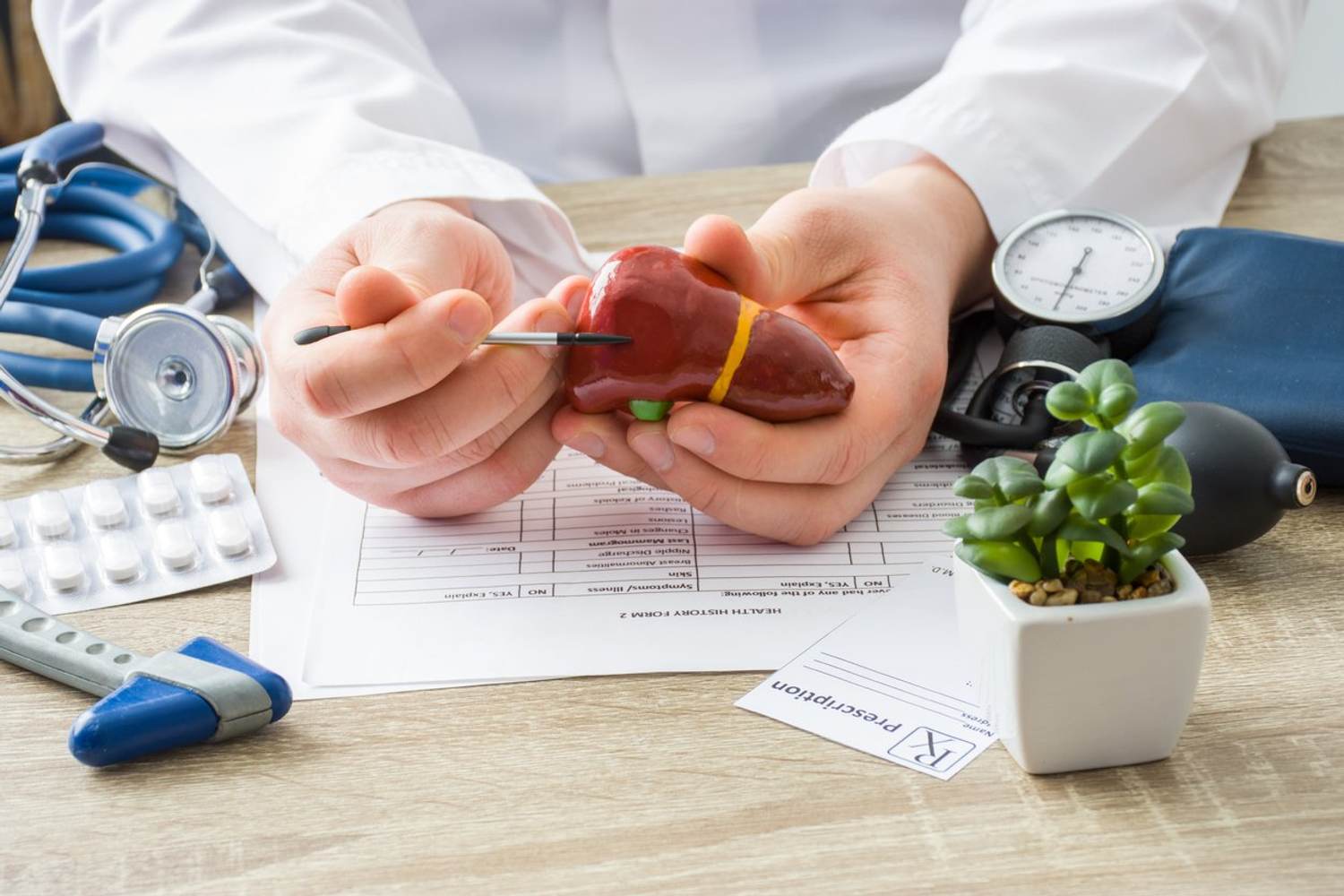
Pinpointing SIBO as the root cause of your symptoms usually starts with talking to a healthcare provider (HCP). “SIBO can be diagnosed clinically based on symptoms,” Lewis said.
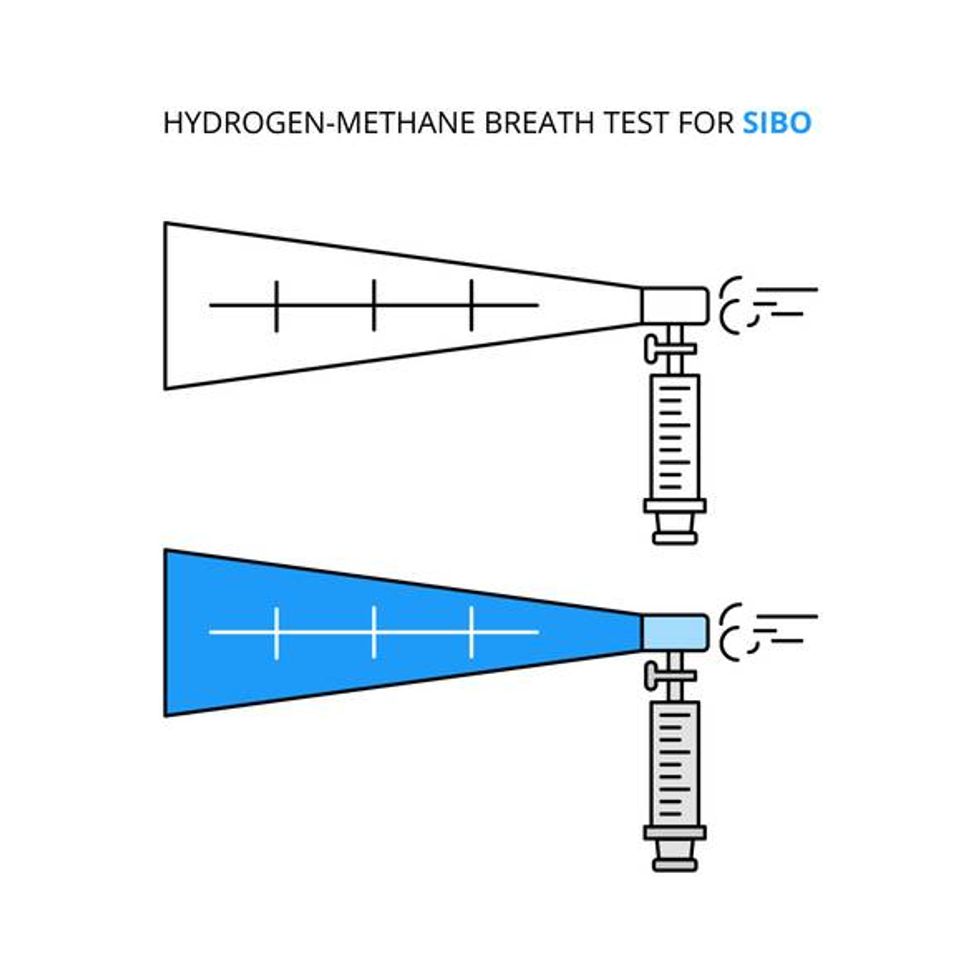
There are also tests available, including a breath test. Hydrogen and methane breath markers make up the most widely used test for SIBO. It’s non-invasive and involves drinking a sugar solution and measuring your breath for hydrogen and methane gases. This is how Joseph’s SIBO was diagnosed, though she had to proactively ask her HCP to be tested.
Other tests for SIBO may include:
- A small intestine aspirate and fluid culture — an endoscope is inserted through the mouth to the small intestine to collect a fluid sample for lab analysis.
- Blood testing to look for any nutrient deficiencies.
- Fecal fat testing — a stool sample is tested for fat malabsorption.
- Imaging tests, such as X-rays, computerized tomography (CT) scans or magnetic resonance imaging (MRI), to identify any structural abnormalities.
While there are several different tests available, there isn’t a gold standard for diagnosing SIBO.
As if diagnosing SIBO weren’t tricky enough, the symptoms are pretty generic and often overlap with other conditions. For example, SIBO symptoms can be the same as IBS symptoms. This can sometimes make it challenging to get an accurate diagnosis.
SIBO treatment
SIBO is usually treated with oral antibiotics. Your HCP may prescribe 10–14 days of antibiotics to reduce the bacteria in the small intestine. In some cases, you may have to cycle through multiple rounds of antibiotics to address recurring symptoms since SIBO is known to come back — something Joseph is concerned about.
It may also be necessary to adjust your diet. Bacteria commonly feed on carbohydrates, so a diet high in fat and low in carbohydrates and fiber may be beneficial.
In Joseph’s case, her HCP prescribed antibiotics and recommended a low-FODMAP diet. “This is supposed to help prevent the bacteria from regrowing,” Joseph said, adding that she started to feel better almost immediately after adjusting her diet.
What to do if you think you have SIBO
Any time you notice unusual changes in your bathroom habits or experience symptoms that just won’t go away, it’s a good idea to let your HCP know what’s going on.
“These symptoms should always prompt you to go see a gastroenterologist and get additional testing,” Lewis said. “The purpose of this is to make sure there aren’t other underlying issues, such as a bowel obstruction, that shouldn’t be ignored."
Joseph’s personal journey took many turns before she found a diagnosis, further demonstrating how SIBO can be missed or misunderstood. Her biggest piece of advice for anyone experiencing SIBO symptoms: “Be your own advocate.”








Popular
1

Bye, Bye, Itch! Managing Chronic Hives at Home
Sep 23, 2026
2

3

4

Biologics for Treating Asthma
Sep 22, 2026
5

4 Things That Pain in Your Left Boob Might Mean
Aug 31, 2021
6

10 Signs You Have a Leaky Gut—and How to Heal It
Nov 26, 2013
Support Our Mission
Keep Trusted Women’s Health Information Free
Your donation ensures every woman continues to have access to credible health content.
More Stories







Everything you need to know about women’s health — in one place.