Period Pain Meets Innovation: New Devices Are Interrupting Menstrual Cramps
Four products are changing how the body experiences menstrual pain and what it means to manage your cycle naturally

Brittany Barreto, Ph.D., is a podcaster, an entrepreneur, and a molecular and human geneticist. (In other words, she’s really smart.) Read her column here each month to learn about what’s happening in the world of technology and innovation in women’s health.
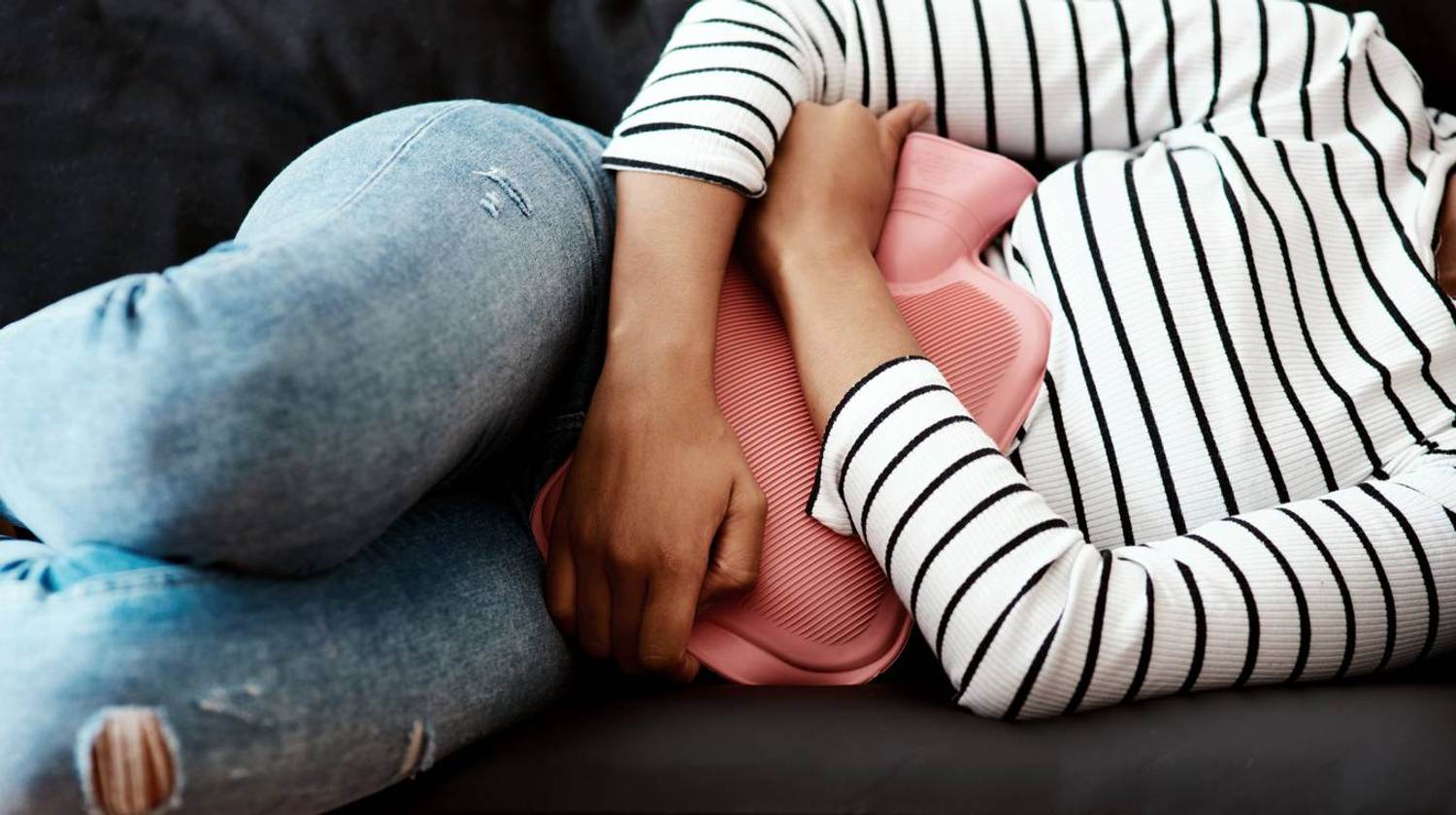
Painful periods can be more than an inconvenience. Menstrual pain, officially called dysmenorrhea, affects up to 9 out 10 people who menstruate at some point in their lives. But, for 5% to 10% of women, cramps can be so intense that they interfere with work, school or daily life.
Traditional treatments like over-the-counter pain medication or heating pads don’t work for everyone. But thanks to advances in wearable and neuromodulation technology, new tools are offering drug-free ways to manage menstrual pain and even help some users reduce heavy flow and fatigue.
Here’s a look at four emerging devices designed to interrupt menstrual pain signals: Livia, OhmBody, Jovi and Samphire.
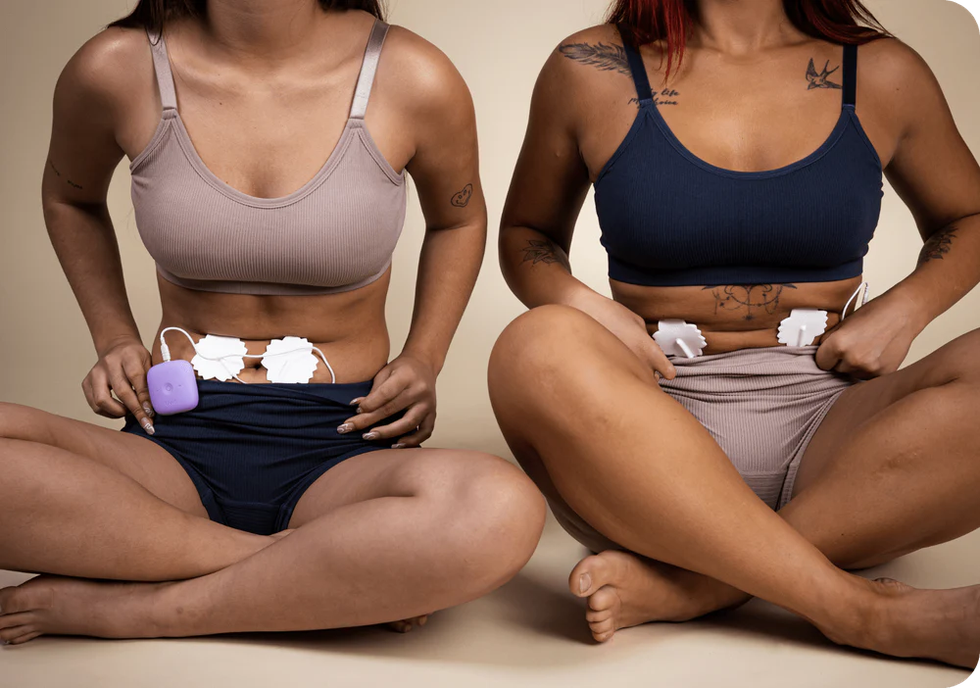
(Photo/Courtesy of Livia)
Livia is a compact wearable FDA-cleared device that uses patented SmartWave micro-pulse technology to block pain signals before they reach the brain. Worn discreetly under clothing, the device delivers gentle electrical pulses to the lower abdomen.
This approach, based on the gate control theory of pain,reduces pain perception and stimulates endorphin release. Relief can begin within 30 to 60 seconds of turning it on.
Several double-blind, randomized clinical studies have shown that Livia significantly reduces pain in people with primary dysmenorrhea (period pain without an underlying condition). Livia is FDA-cleared, Health Canada-approved and CE marked for use in the European Union.
The device is sold online and through major U.S. retailers like CVS. However, it’s not currently covered by insurance, meaning users must pay for the device out of pocket. You may be able to purchase Livia with funds from a health savings account (HSA) or flexible spending account (FSA). Check your plan for details.
OhmBody takes a different route than Livia, targeting the vagus and trigeminal nerves through small earpieces rather than the abdomen. These nerves help regulate the body’s “rest-and-digest” versus “fight-or-flight” response, which can be helpful during menstruation, when the nervous system often shifts into stress mode. OhmBody’s gentle neurostimulation aims to help with pain, reduce blood loss and improve mood.
OhmBody has been clinically tested for safety. The peer-reviewed study was conducted by Spark Biomedical, OhmBody’s parent company, and it was very small — but the early results were promising. In this pilot trial of 16 participants, use of the wearable neurostimulation device was associated with a reduction in menstrual blood loss, shorter periods, and improvements in pain and quality-of-life scores.
While these findings are encouraging, it’s important to note that OhmBody is currently marketed as a wellness device, not a medical treatment. That means it’s not FDA-cleared for menstrual pain and is not covered by insurance. If you want to use OhmBody, you must purchase it directly from the company and pay for it out of pocket. You may be able to use funds from your HSA or FSA account to buy OhmBody, but you’ll have to check your plan rules to find out.
Jovi looks like a flexible sticker, but it uses a unique signal-filtering technology made from microscopic conductive particles to reduce pain. Unlike OhmBody and Livia, instead of sending pulses into the body, Jovi claims to “absorb and reroute” pain signals, similar to tuning out static on a radio.
Jovi patches can be worn anywhere on the body and are reusable for up to a year. They’re drug-free and water-resistant. As wellness devices, they are not FDA-cleared, but they are eligible for HSA/FSA purchases. While Jovi’s approach is different from electrical or heat-based devices, it’s still an emerging technology. Early customer feedback has been positive, and many users report noticeable relief, though additional independent research would help confirm its effectiveness. Jovi is available online in the U.S. and prices start at $159 per patch.
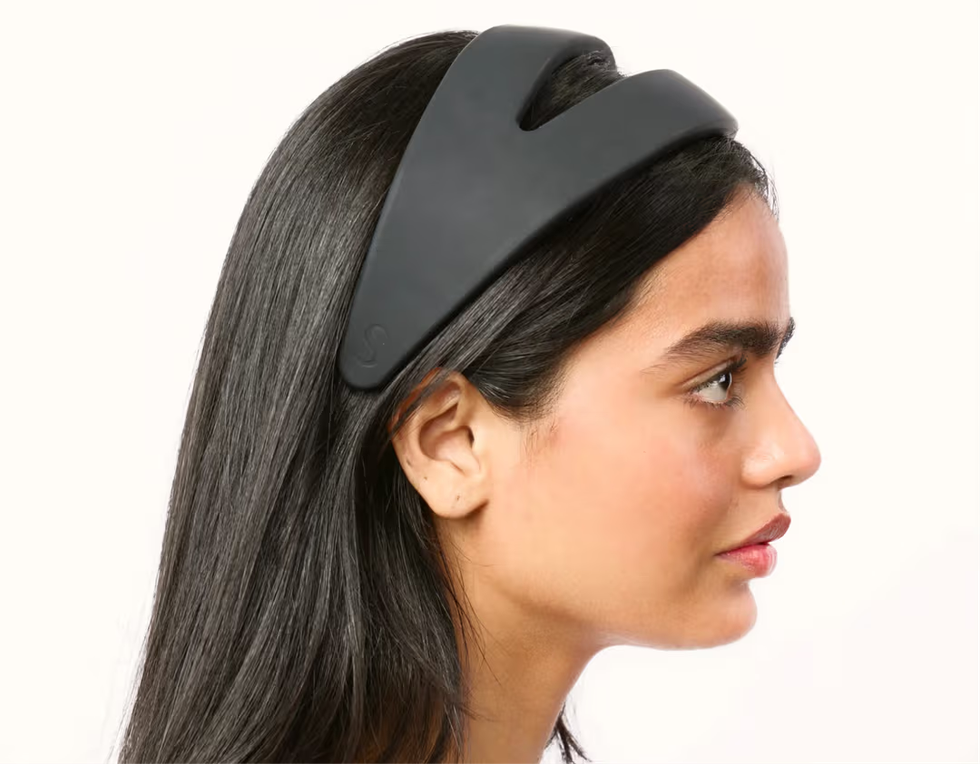
(Photo/ Courtesy of Samphire)
Samphire Neuroscience is a London-based company pioneering brain-based approaches to menstrual health, addressing both menstrual cramps and hormone-influenced mood shifts. Its first product, Nettle, is a CE-certified medical device (meaning it has met rigorous health, safety and environmental requirements in the EU) intended to help manage pain and mood changes related to PMS, premenstrual dysphoric disorder (PMDD) and endometriosis. Nettle is currently available only in the EU and the UK.
Samphire’s upcoming U.S. device, Lutea, uses similar non-invasive brain stimulation (tDCS), a gentle, low-level electrical current applied through electrodes on the scalp. Clinical studies show that tDCS can safely modulate brain activity linked to mood and pain perception.
Lutea is marketed as a wellness device, meaning it doesn’t make medical claims and is not yet FDA-approved. The company expects to pursue approval as research expands. In fact, Samphire is actively recruiting participants to study their product’s ability to modulate pain and emotional regulation in patients with endometriosis in London and California. You may be able to use your HSA/FSA funds to purchase Lutea under some circumstances, but insurance coverage is not available — and the price is steep, starting at $589.
For decades, women have had limited, often unsatisfying options for menstrual pain relief. Now, a wave of wearable and brain-based technologies is offering new hope and proof that women’s health innovation is finally catching up.
Still, most of these devices are not yet covered by insurance and are not intended to replace medical care. Anyone with severe pain, heavy bleeding or conditions like endometriosis or fibroids should talk with a healthcare provider before using new devices.
These tools represent an important shift, one that moves menstrual pain from something women are expected to tough out to something science can actually solve.
The information about products and/or services in this column does not constitute any form of endorsement or recommendation by HealthyWomen. Links are provided as a convenience and for informational purposes only. This column may occasionally cover companies in which Brittany Barreto is an investor.









Support Our Mission