
Search
Latest Stories
Newsletter Sign-Up
Newsletter
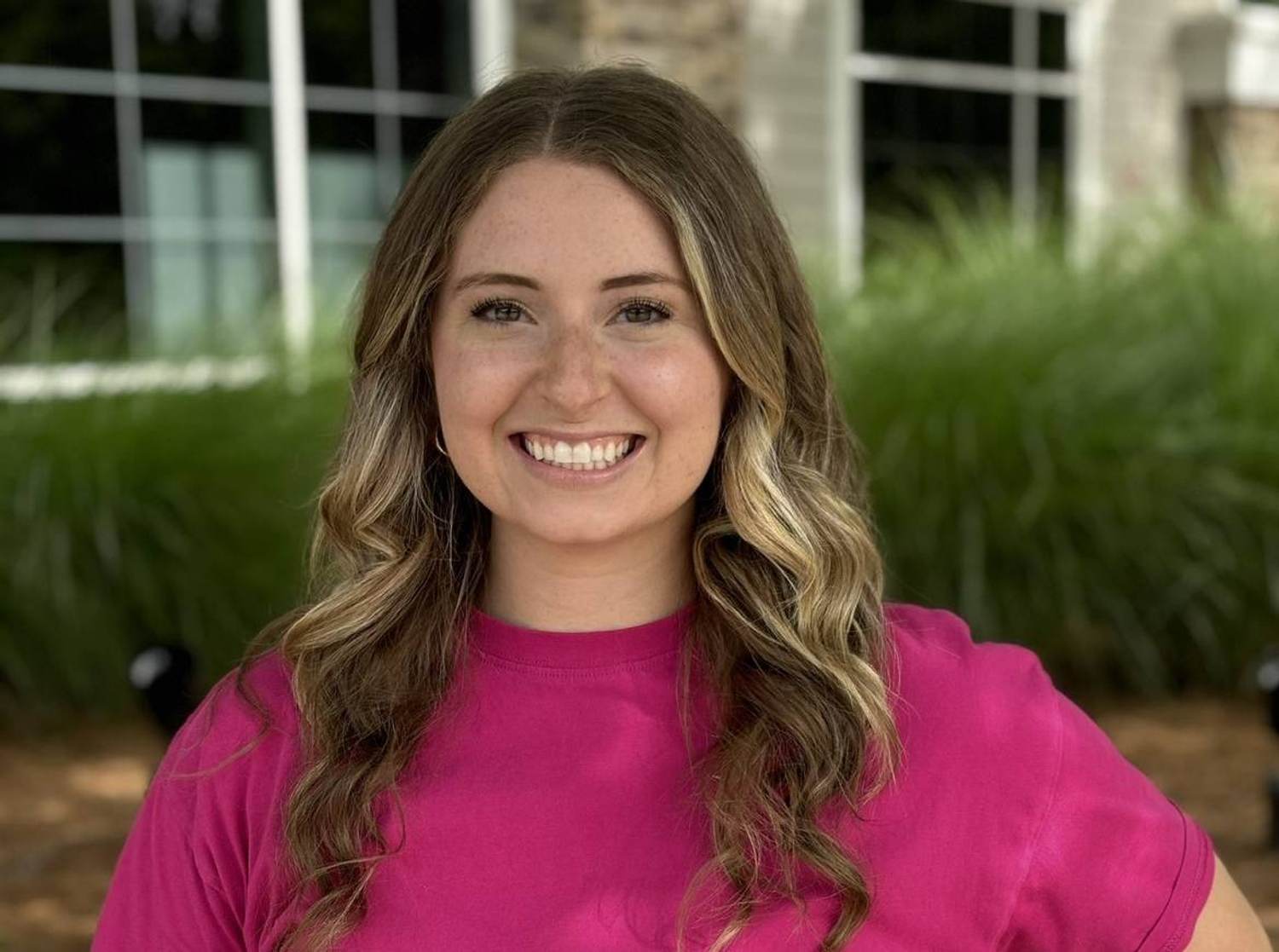
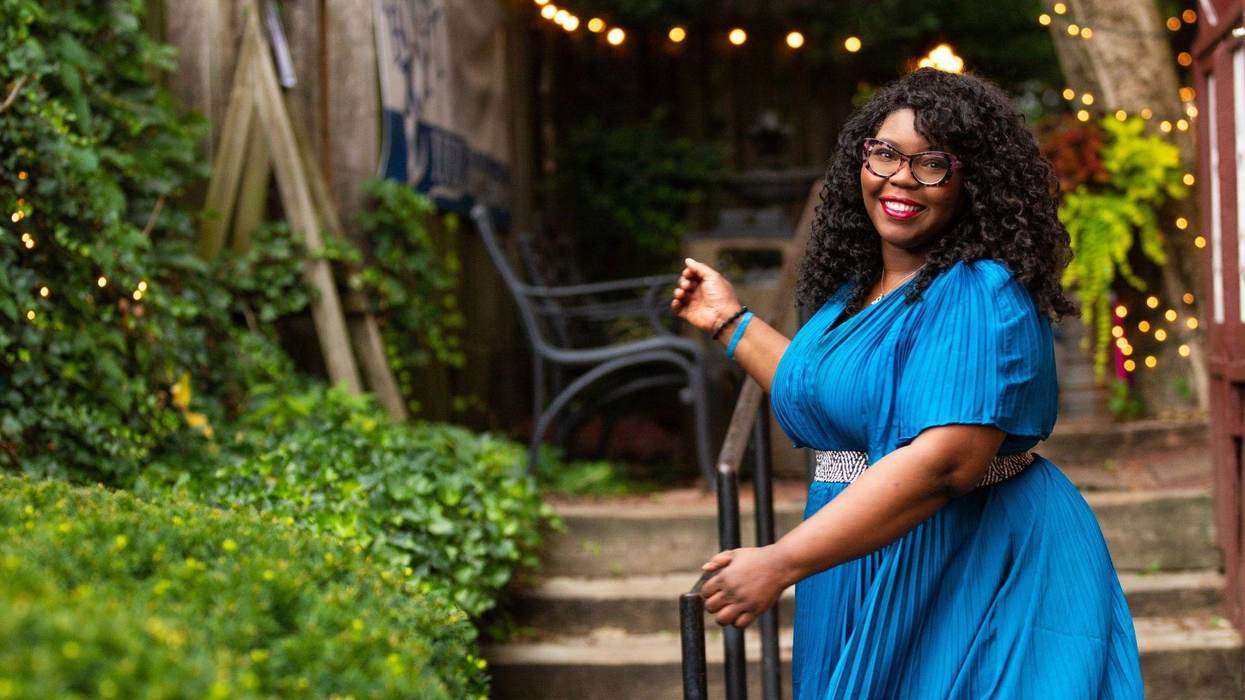
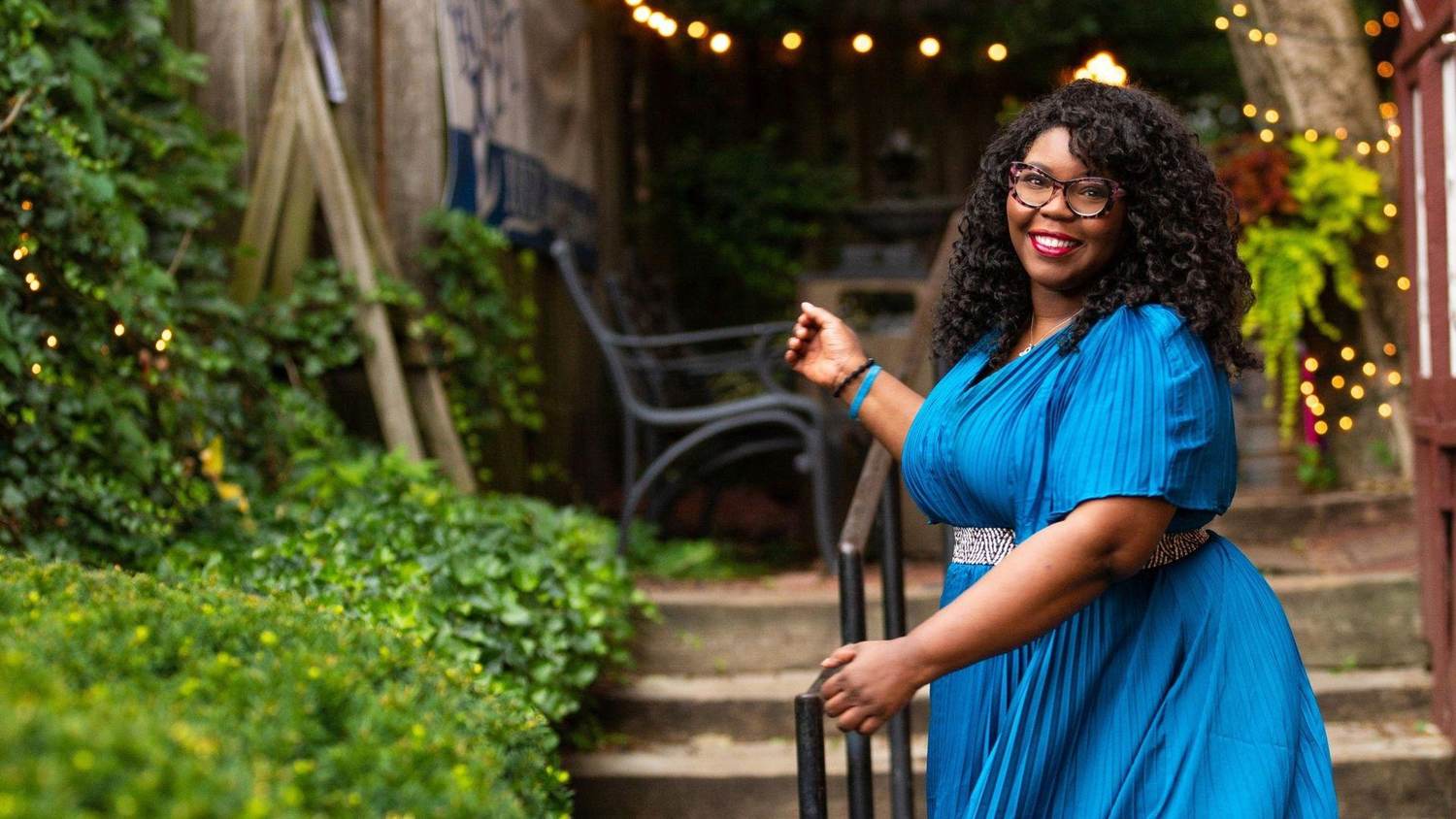
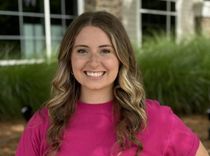
As told to Marnie Goodfriend
March is Endometriosis Awareness Month.
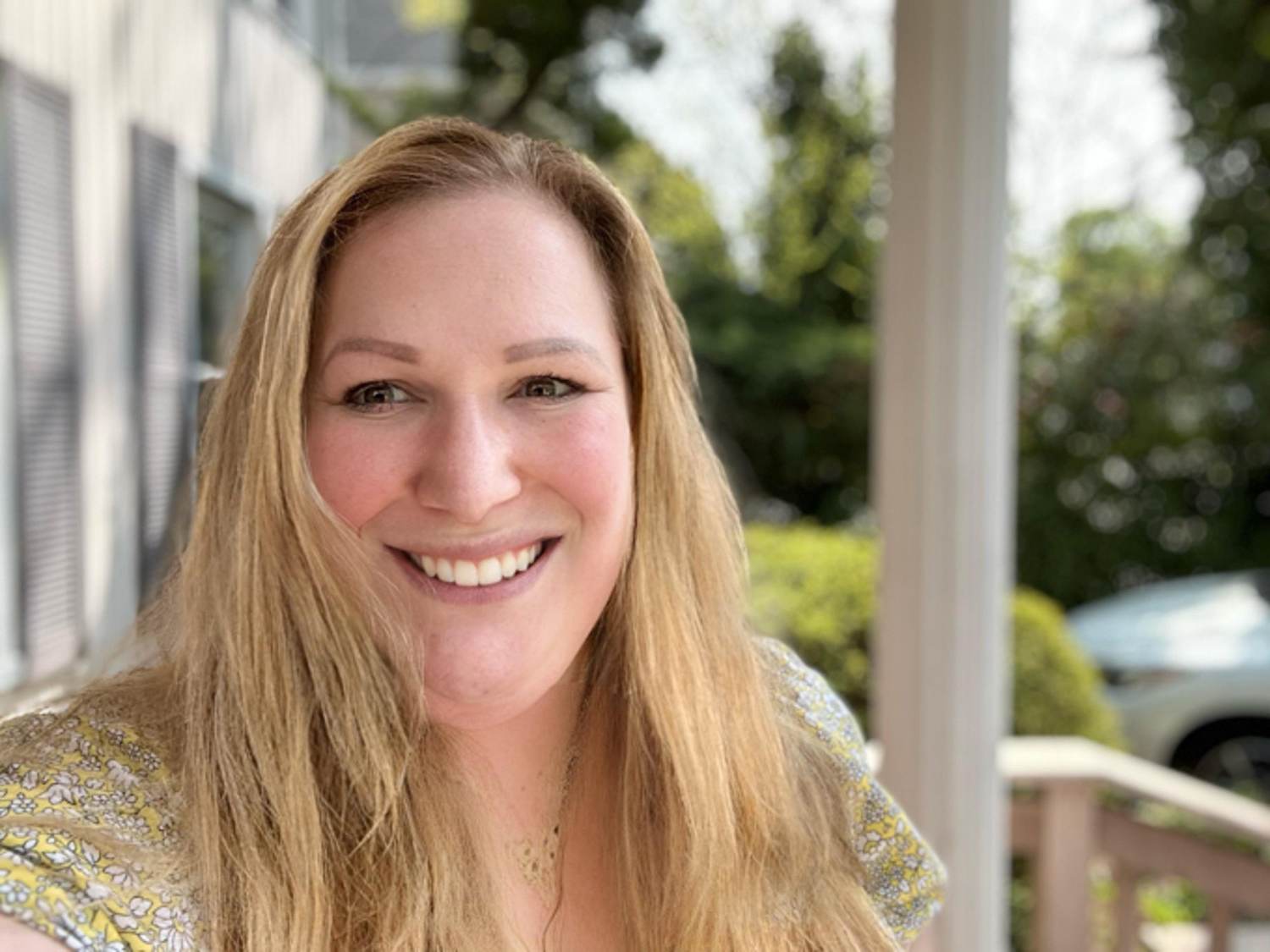
As a teenager, I knew that my periods weren’t normal. I was in a lot of pain, and I bled through heavy tampons and super maxi pads even though I changed them frequently. I asked other girls on my cheer team, “Is your time of the month really painful?” Some said they experienced pain, but mine was so bad that I would have to miss or leave school early. One day, someone said they saw blood on the back of my pants in front of everyone. I had no idea and was so embarrassed.
I also have pelvic floor dysfunction, which, at the time, I thought was pretty common. My primary care doctor prescribed what she called “old lady medicine” to prevent me from leaking. She never said, “Maybe something’s not right here,” or referred me for physical therapy. I was super active as a cheerleader, and I couldn't control my pelvic floor. Whenever I would tumble, I would literally pee my pants. The medication didn’t work, so I started bringing a change of shorts with me and just dealt with these issues.
Looking back, there were so many red flags that should not have been ignored. I told my doctor about the excessive menstrual bleeding, nausea, stabbing, shooting pains in my lower abdomen, and cramping in my butt cheeks. They didn’t do anything except give me birth control pills. Also, I wasn’t having a cycle every month. One time, I didn’t have a period for eight months, and my doctor said, “Aren't you glad you don't have to deal with it?”
My mom suspected that I had endometriosis, which runs in my family. Both my mom and grandmother have the disease and had to have ablation surgery and hysterectomies after they had kids. My mom told my OB-GYN about her suspicions, but they dismissed her concerns. At first, I thought, “These doctors know more than I do,” but I became frustrated and began fighting for more answers.
My symptoms increased in college. The pain was unbearable. I remember trying to get in my car one time, and I was cramping so badly that I couldn't even sit down. For years, I was on and off different types of birth control pills. Then, I started having two cycles a month. In my junior year, I decided to get off the pills, and my gynecologist shamed me for doing so. They referred me to a GI doctor, who ran some tests and said, "You're in college and stressed. It’s just IBS (irritable bowel syndrome), which will go away.”
But it didn’t go away, and I had to miss classes and cancel plans a lot. Other times, I told myself to toughen up and pushed through the pain the way I did as an athlete. The days leading up to my cycle, I was anxious, thinking of enduring another unmanageable period. Sometimes, I felt like I was going crazy because several medical professionals said there was nothing wrong with me.
I became a personal trainer and began taking anti-inflammatory medication as much as I could to manage the pain. It wasn’t a long-term solution, but I had to show up for work and be active. I talked to one of my supervisors about it, who was into women’s health and told her that I couldn’t physically work during my cycles anymore. She was very understanding, and as I spoke more about it, I knew I had to educate myself and get the help I desperately needed.
In November 2024, my symptoms increased after I got Covid. I think a lot of people would have gone to the emergency room, but I knew they wouldn’t do anything for me. I saw another OB-GYN who looked at my chart and said, “I see you rejected birth control pills.” I told her I’d been reading about endometriosis and thought I should have surgery. “If you’re going to demand surgery, I can do it, but I don't think it will help much, and you may not even have it.” I sat there wondering why I was the one telling my healthcare providers (HCPs) how to care for me. That visit traumatized me.
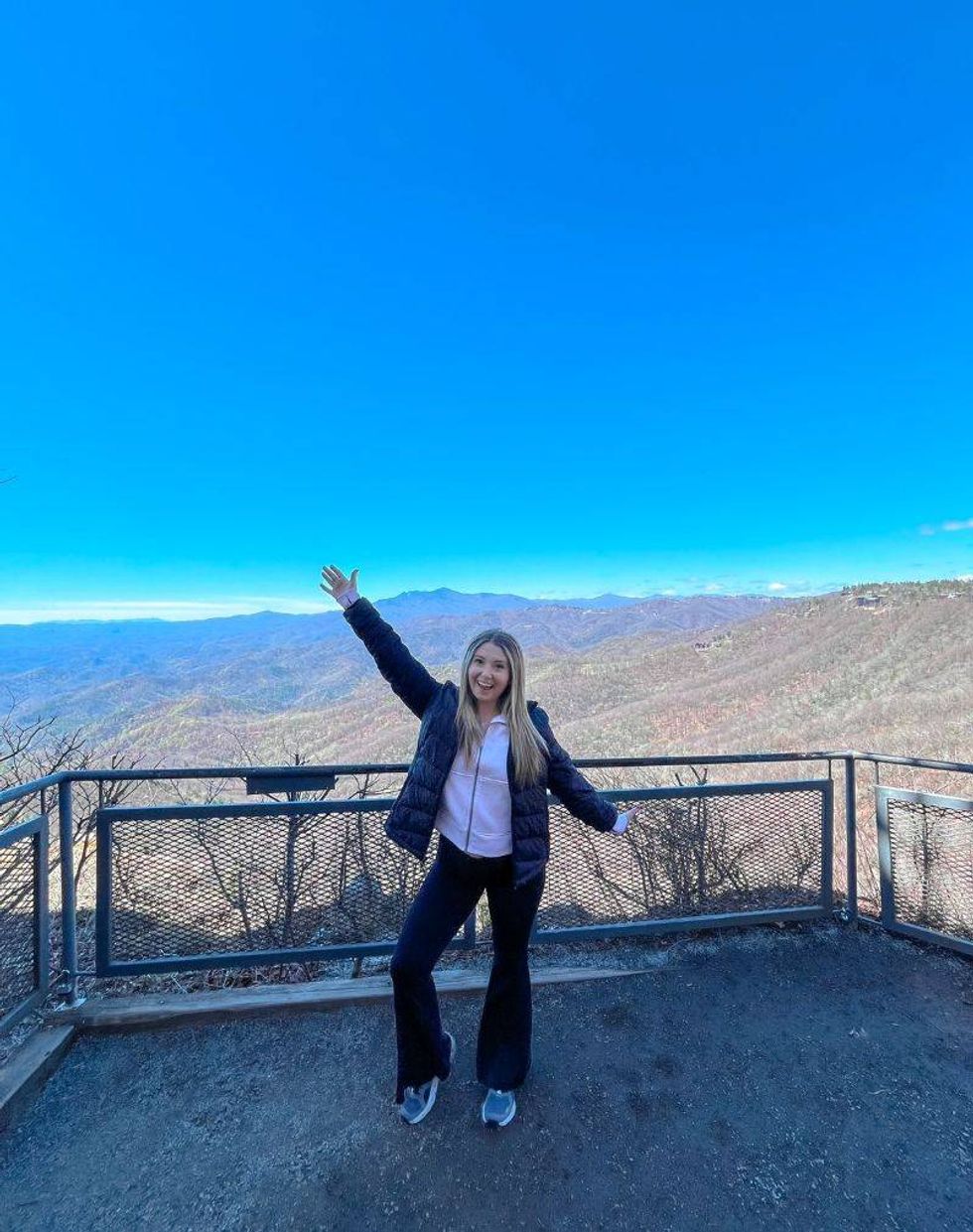 2024
2024
I got serious about researching endometriosis and learned that excision surgery is the gold standard. In 2025, I started bleeding from my rectum about three days before my cycle, which terrified me. I finally found a really good OB-GYN who specialized in the procedure from posting on a popular online endometriosis support group, Nancy’s Nook. She was the first HCP who actually listened to me and made me feel comfortable. It was such a godsend. I remember her saying to me, “You've really been struggling with this. I think it's time for you to have surgery.”
I walked out of the appointment with my mom and started crying. I felt so much weight lifted off me when she said, “What you’re going through is not normal.” The same doctor performed my surgery, and I was diagnosed with stage 2/borderline stage 3 endometriosis, with the majority of the adhesions in my rectum. I finally had my surgery about six months ago, and it’s still early in my recovery, but I’m feeling hopeful that I’m finally on the right path to healing.
I began sharing my experience on social media to help raise awareness and remind other women that they’re not alone and deserve to be heard. I often receive messages from women struggling with symptoms, diagnosis delays or feeling dismissed, and I’m always honored to be a safe place for those conversations. Building trust and community matters a lot to me.
As a health coach with a degree in nutrition, I’m passionate about health and wellness. I hope that my visibility will encourage people to trust their intuition and know that it’s okay to advocate for themselves if they’ve been dismissed. If something feels off, you may need to see a different HCP. It can be exhausting, but it is worth it. Being on the other side of things now, I’m living proof that it pays off.
Have your own Real Women, Real Stories you want to share? Let us know.
Our Real Women, Real Stories are the authentic experiences of real-life women. The views, opinions and experiences shared in these stories are not endorsed by HealthyWomen and do not necessarily reflect the official policy or position of HealthyWomen.




Popular
1
2
3
4
5
6
Support Our Mission
Keep Trusted Women’s Health Information Free
Your donation ensures every woman continues to have access to credible health content.
More Stories
Everything you need to know about women’s health — in one place.
