

Search
Latest Stories



Newsletter Sign-Up
Newsletter


There are nearly 1 million people living with multiple sclerosis (MS) in the United States.
MS is a chronic condition of the central nervous system (the brain and the spinal cord).
The cause of MS is still unknown, but it may be triggered by an autoimmune reaction where the body’s immune system attacks its own tissues. This autoimmune reaction causes inflammation, which damages the myelin sheath (the protective covering that surrounds most nerve fibers) and underlying nerves.
Women are two to three times more likely than men to be diagnosed with MS.
Some minority populations living in the United States, such as African American and Hispanic womens, are more likely to get MS than these same populations living outside of the country.
Symptoms of MS vary widely. Some common symptoms are
- Tingling and/or numbness
- Fatigue
- Muscle weakness
- Blurred and/or double vision
- Lack of coordination
- Trouble balancing
- Memory loss
- Urinary urgency
- Difficulty concentrating
- Depression
MS symptoms may worsen around menstruation and during the onset of menopause.
Did you know?
- Early detection is key to treating MS
- There are four types of MS and diagnosing the type of MS can help determine the best way to manage the disease and the symptoms.
- Treatment can involve:
- Disease-modifying medications to slow the course of the disease
- Corticosteroids to treat inflammation and flare-ups
- Medications and rehabilitation to help with symptoms
- Emotional support to manage mental and cognitive health concerns
Are You at Risk for MS?
There is no way to prevent MS, but certain factors may increase your risk:
- Genetics
- Obesity
- Tobacco smoking
- Insufficient vitamin D
Learn more at HealthyWomen’s hub on multiple sclerosis and the National Multiple Sclerosis Society.
This resource was created with support from Biogen.







Popular
1
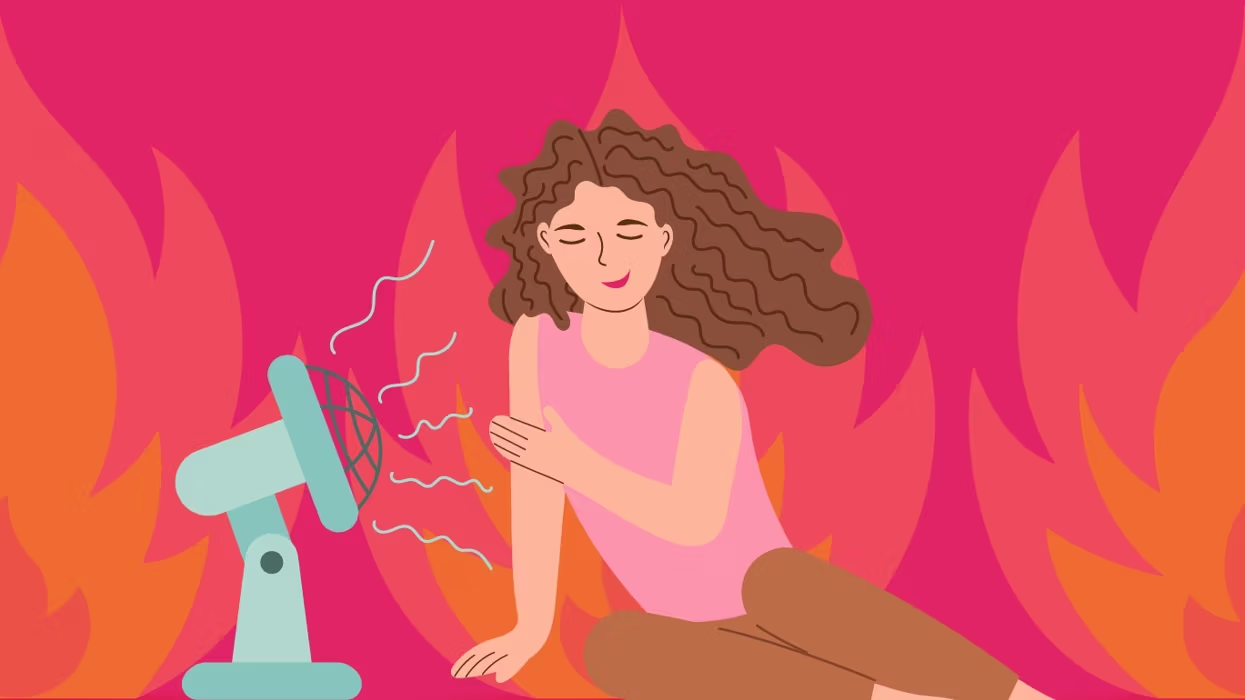
What Happens in the Body During a Hot Flash
Sep 03, 2026
2

Biologics for Treating Asthma
Sep 22, 2026
3
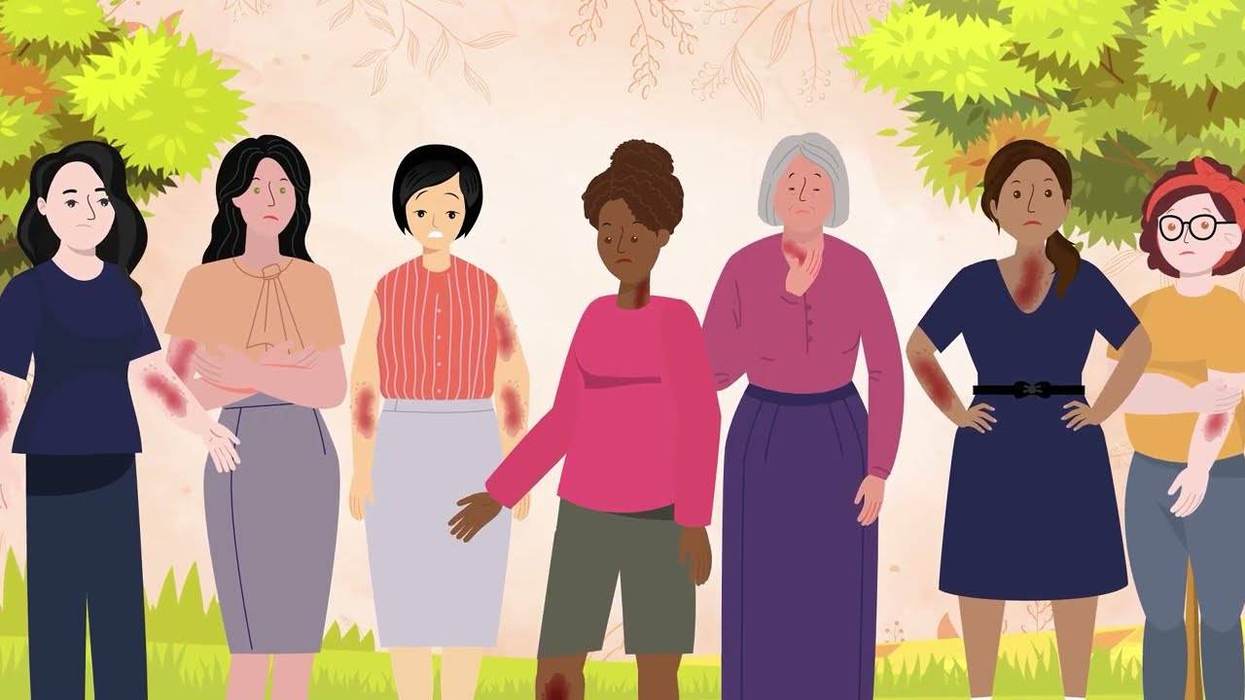
Bye, Bye, Itch! Managing Chronic Hives at Home
Sep 23, 2026
4
Understanding Menopause Stages and Terms
Sep 08, 2026
5
Lo que ocurre en el cuerpo durante un bochorno
Sep 03, 2026
6

Support Our Mission
Keep Trusted Women’s Health Information Free
Your donation ensures every woman continues to have access to credible health content.More Stories






Everything you need to know about women’s health — in one place.