

Search
Latest Stories



Newsletter Sign-Up
Newsletter
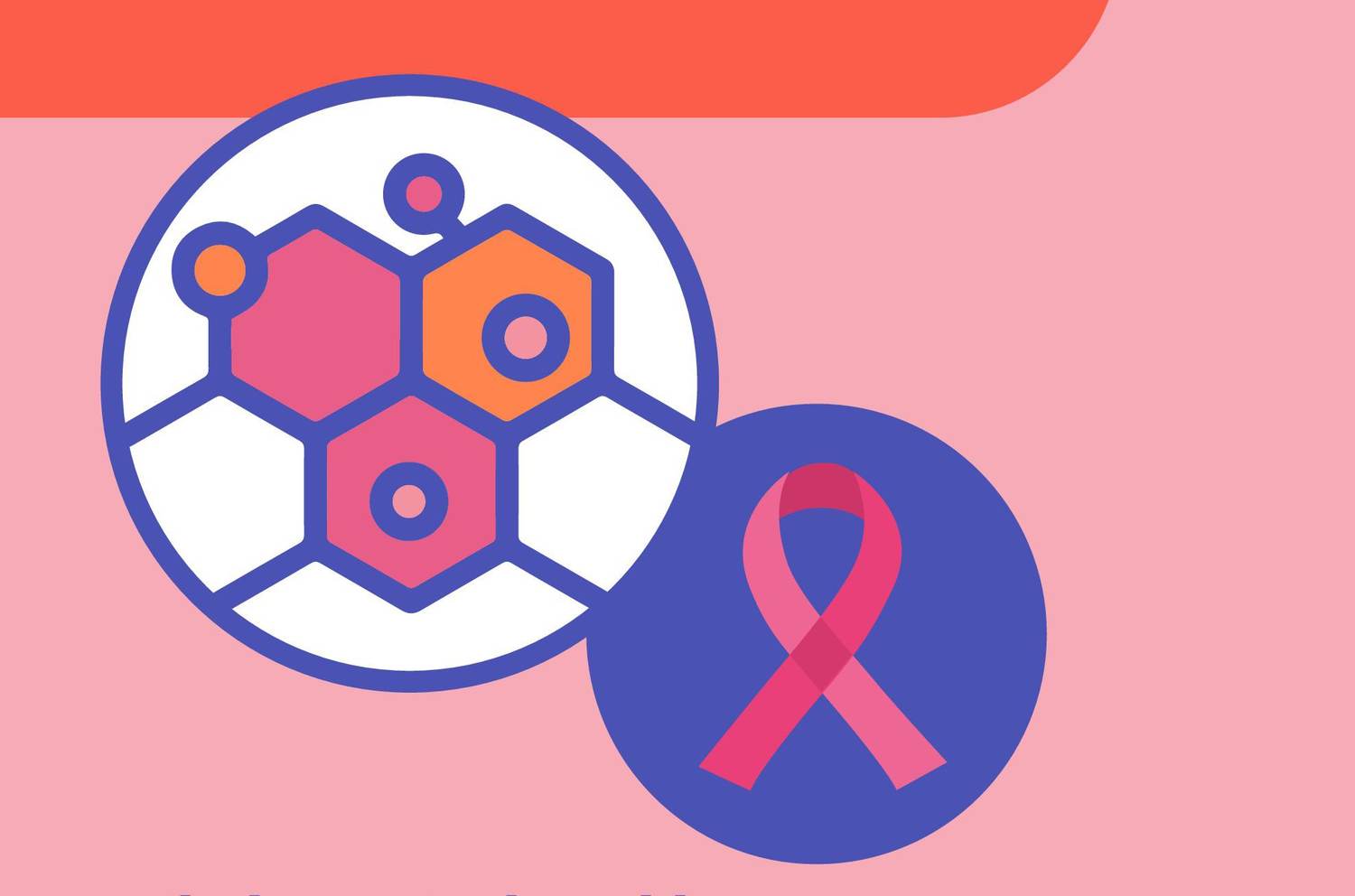

About 1 in 8 U.S. women will develop invasive breast cancer over the course of their lifetime.
FACT: Over 75% of women with breast cancer have no family history of the disease.
Did you know? Breast cancer risk is associated with exposure to hormones (estrogen and progesterone) produced in a woman’s ovaries. The longer a woman is exposed to hormones produced by her body, the greater the risk of breast cancer.
Increased exposure to hormones = increased breast cancer risk
Reproductive factors that increase breast cancer risk include:
- Early menstruation (before age 12)
- Late menopause (after age 55)
- Never giving birth
Pregnancy and breast cancer risk
Both pregnancy and breastfeeding reduce breast cancer risk because they lower the number of menstrual cycles(hormone exposure) a woman will have in her lifetime. But different pregnancy circumstances can raise or lower breast cancer risk.
What raises breast cancer risk?
- First pregnancy at an older age
- Recent childbirth (temporary increase that declines after about 10 years)
What reduces breast cancer risk?
- First pregnancy at an early age
- Each additional pregnancy (the more you have, the lower your risk)
- Breastfeeding for at least a year
Birth control and breast cancer risk
- There is some evidence that hormonal contraceptives like the pill increase breast cancer risk, but overall, risk of breast cancer among birth control users is low.
- Hormonal contraceptives are linked to a lower risk of ovarian, endometrial and colon cancers.
Hormone replacement therapy (HRT) and breast cancer risk
- There are two kinds of HRT: combination estrogen and progesterone and estrogen-only.
- Recent research indicates that combination HRT increases breast cancer risk significantly, while estrogen-only HRT doesn’t increase risk unless it’s used for more than 10 years.
This resource was created with support from Daiichi Sankyo and Merck.







Popular
1

2
What Happens in the Body During a Hot Flash
Sep 03, 2026
3
Understanding Menopause Stages and Terms
Sep 08, 2026
4

5
¿Qué es la urticaria crónica espontánea (UCE)?
Jun 29, 2026
6
Lo que ocurre en el cuerpo durante un bochorno
Sep 03, 2026
Support Our Mission
Keep Trusted Women’s Health Information Free
Your donation ensures every woman continues to have access to credible health content.More Stories




Everything you need to know about women’s health — in one place.