
Search
Latest Stories
Newsletter Sign-Up
Newsletter
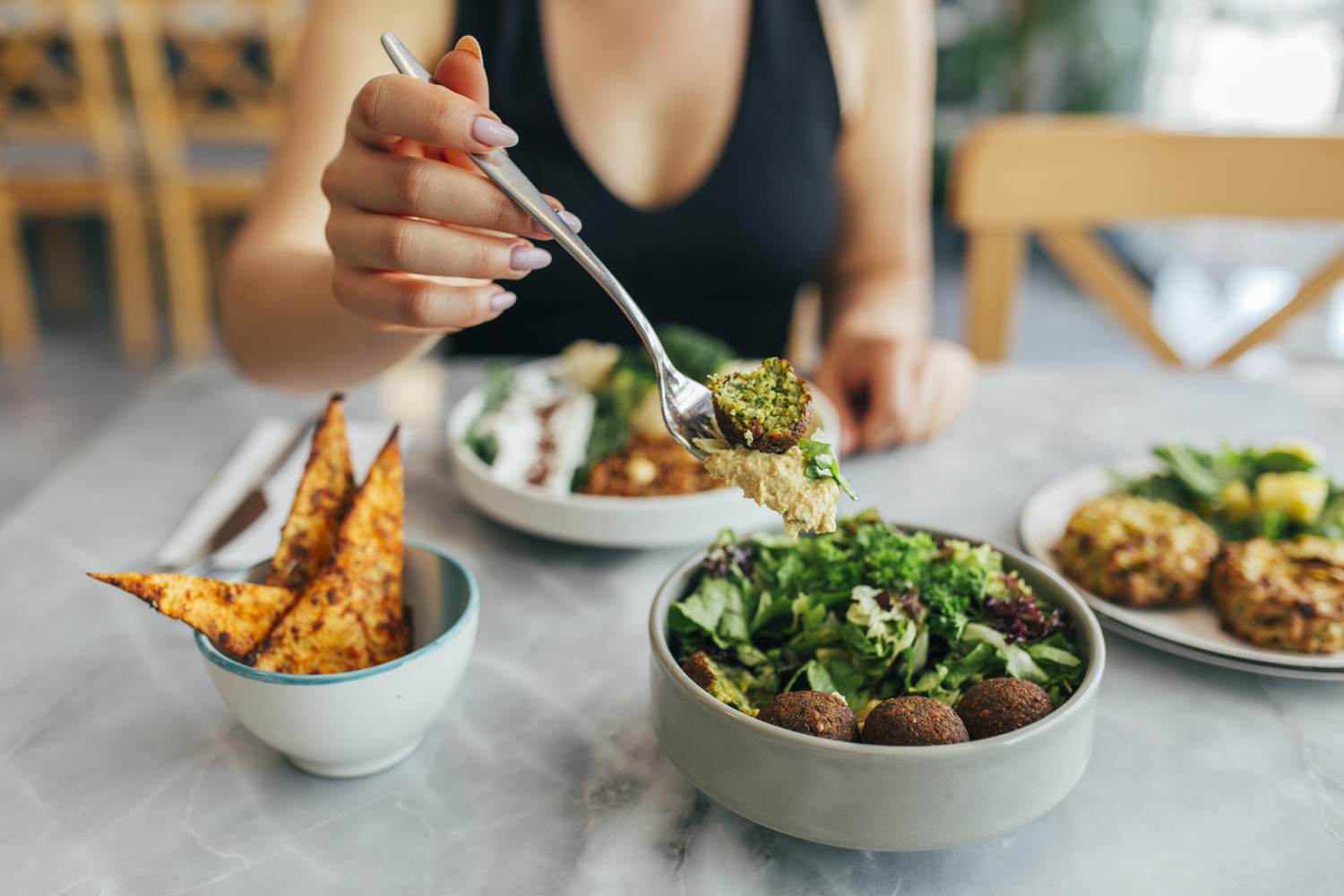
The basic philosophy of a vegan diet is simple: stick to plant-based foods entirely. Vegans not only don't eat meat, fish or poultry, but they also don't eat any foods that come from animals, such as eggs, milk, yogurt and cheese. (Lacto-vegetarians include dairy products in their diet and lacto-ovo vegetarians eat eggs and dairy.)
Even though it appears to be highly restrictive, when planned carefully, a vegan diet can meet all the daily requirements for protein, iron, calcium and other important nutrients for adults and children. Infants in vegan families where mothers aren't breastfeeding should receive iron-fortified soy formula.
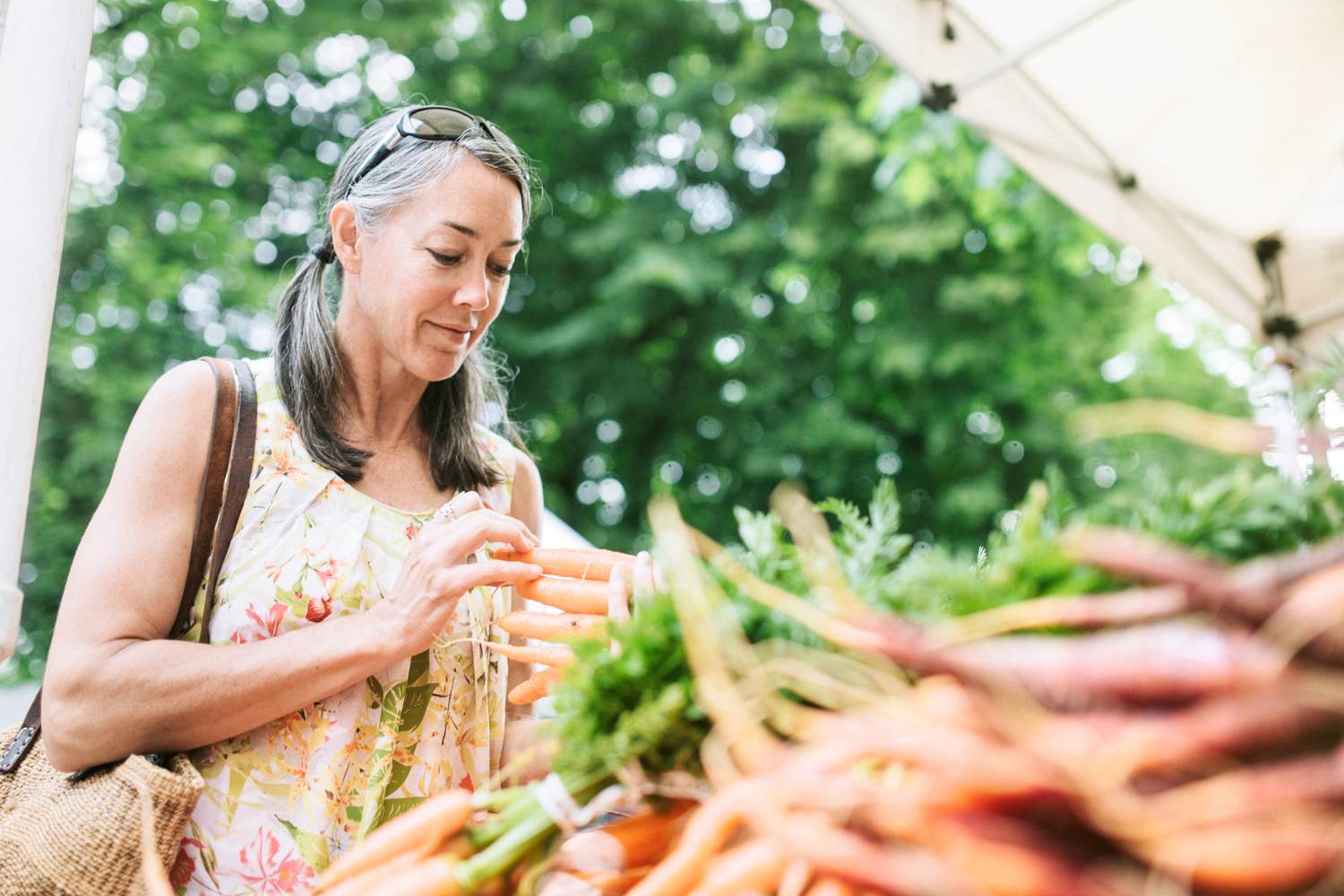
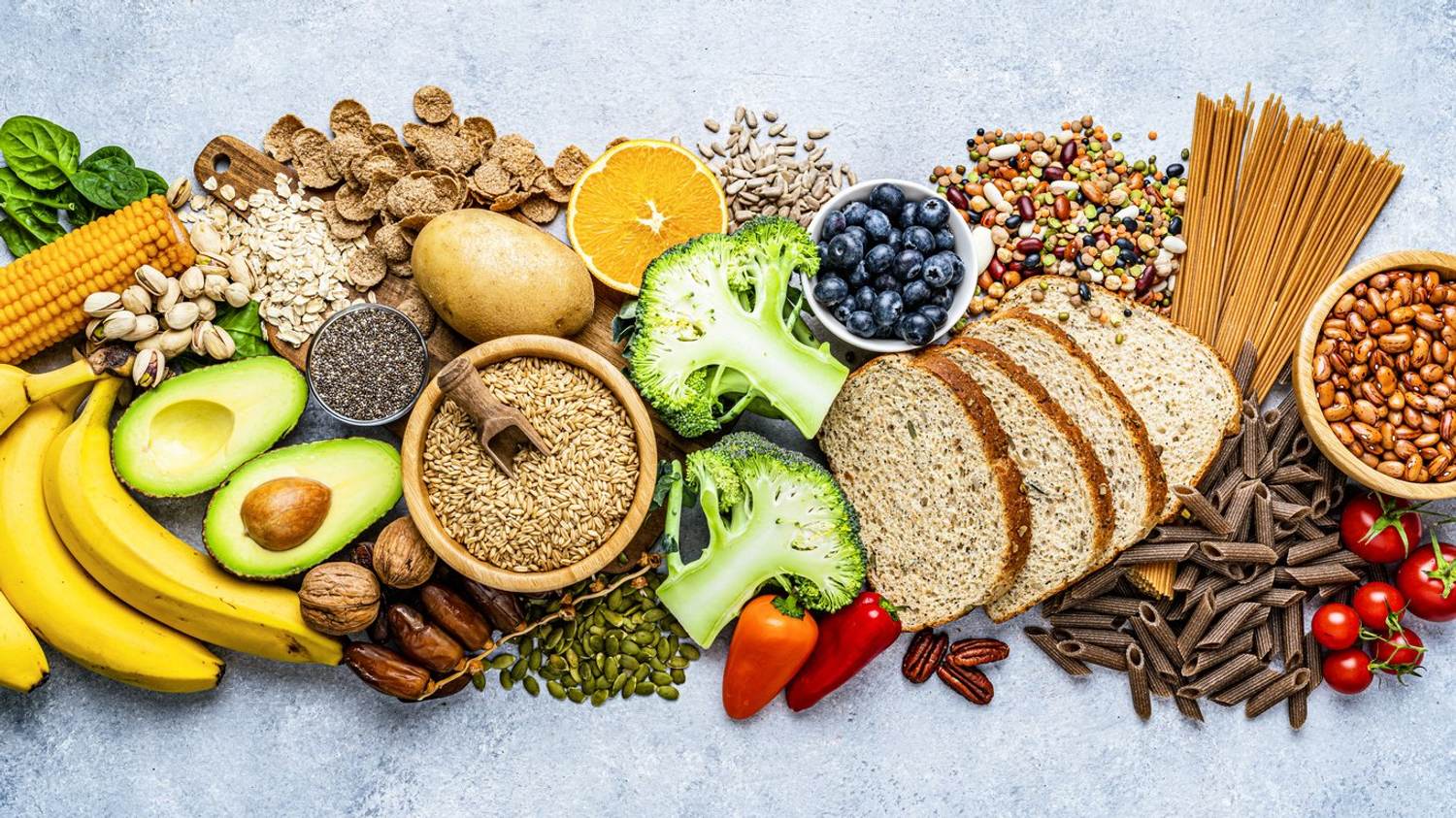
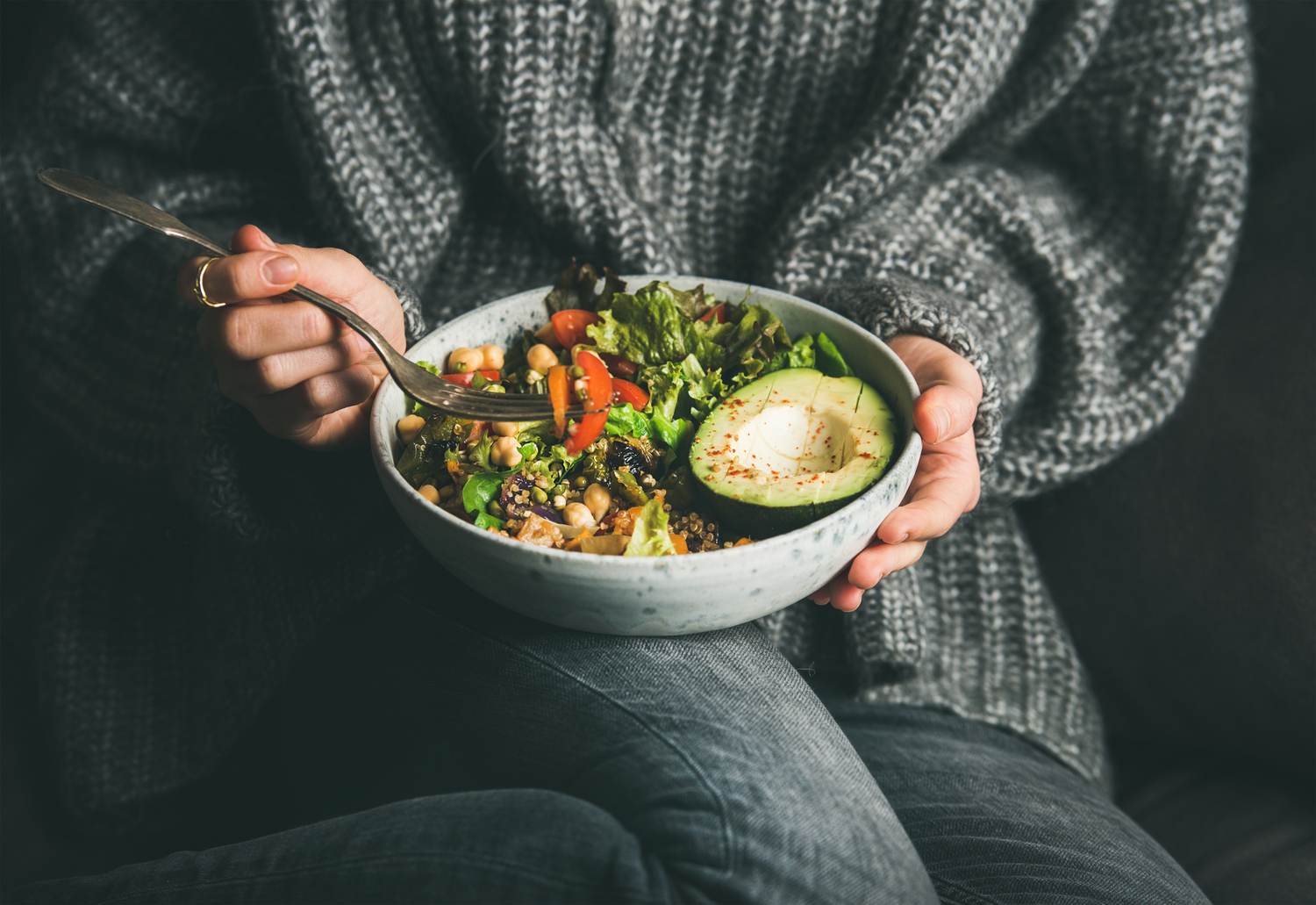
If you're not a vegetarian, you can help improve your health by adopting some of the basics of a vegan diet. By reducing meat consumption and using fewer full-fat dairy products, you can dramatically cut saturated fat from your diet and help lower your cholesterol. Boosting consumption of plant-based foods will increase your levels of antioxidants, fiber, folate and other beneficial compounds.
These changes may give you some of the advantages of a totally plant-based diet—a lower body mass, better heart health, lower blood pressure and less risk of type 2 diabetes as well as some cancers.
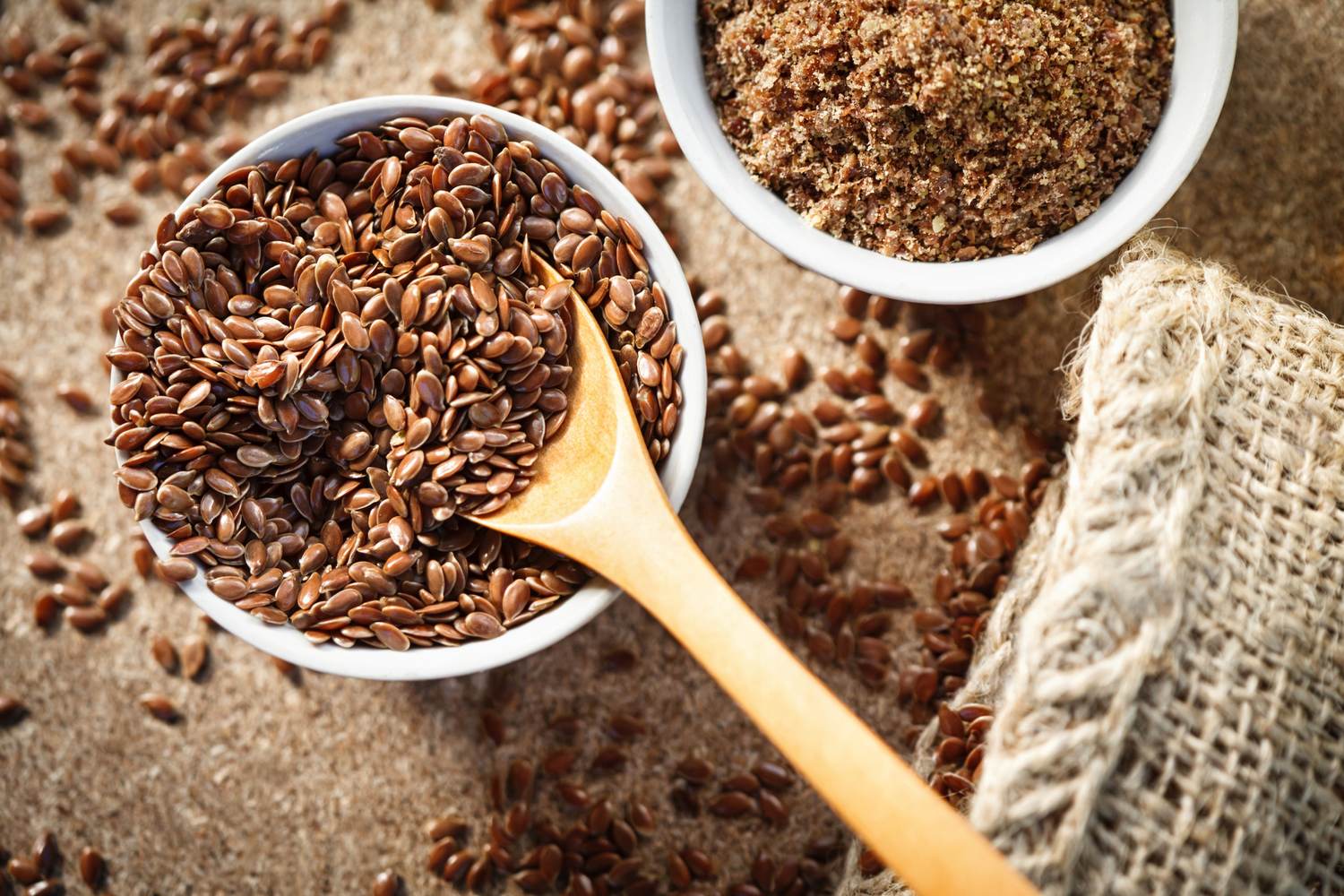
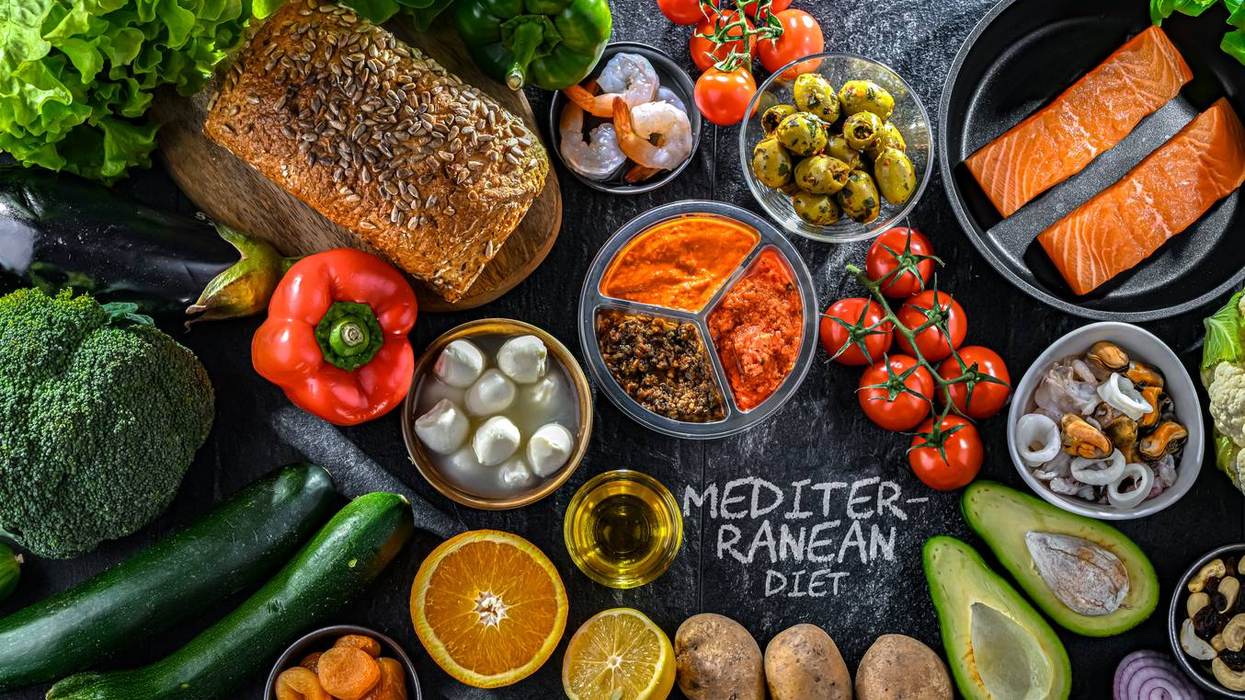
Where will you find the nutrients you normally get from meat or dairy foods? Nuts, dried beans or soy products are good protein sources. Leafy green vegetables and tofu provide calcium. Iron is found in sweet potatoes, raisins, peanuts and broccoli.
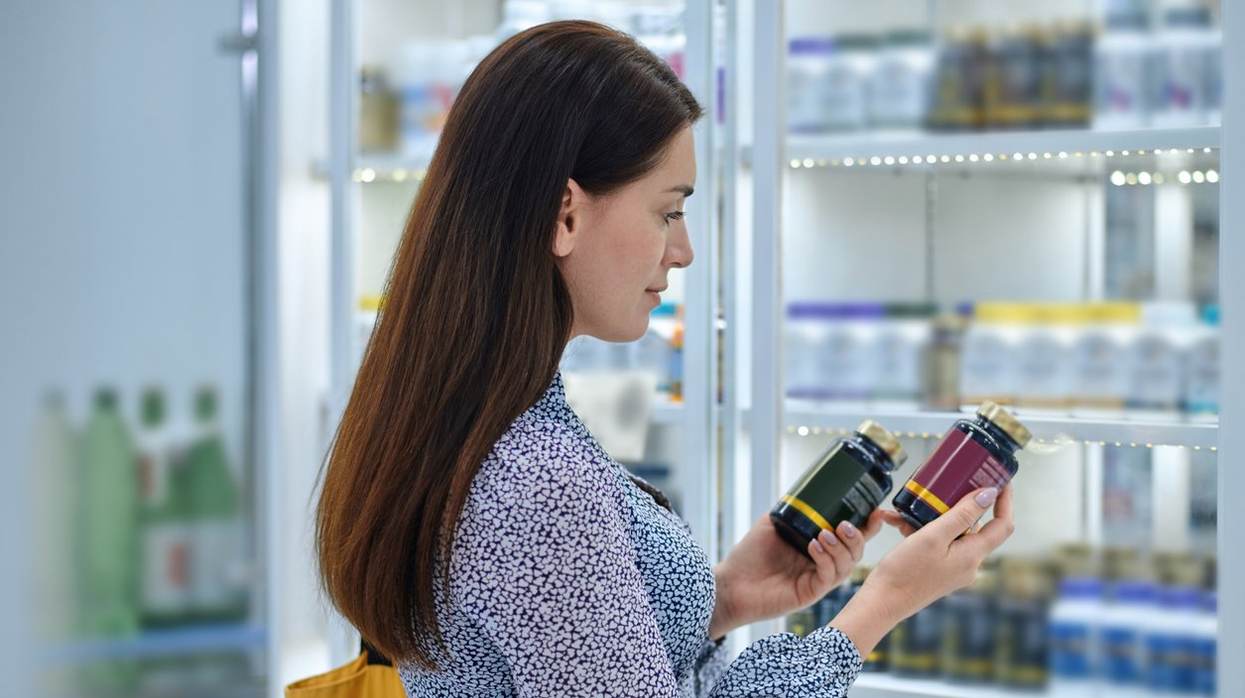
Vegans can have troubles caused by low levels of vitamin B-12 (due to not eating any meat or dairy products). This may cause anemia, depression, dementia or nervous system problems. The B-12 in multivitamins is not sufficient to counteract this, so check with your health care provider about taking additional B-12 supplementation.





Stories We Love
1
Nutrition, Multivitamins & You
Sep 15, 2009
2

How to Increase Plant-Based Foods in Your Diet
Oct 02, 2019
Support Our Mission
Keep Trusted Women’s Health Information Free
Your donation ensures every woman continues to have access to credible health content.
More Stories





Everything you need to know about women’s health — in one place.