
Search
Latest Stories



Newsletter Sign-Up
Newsletter
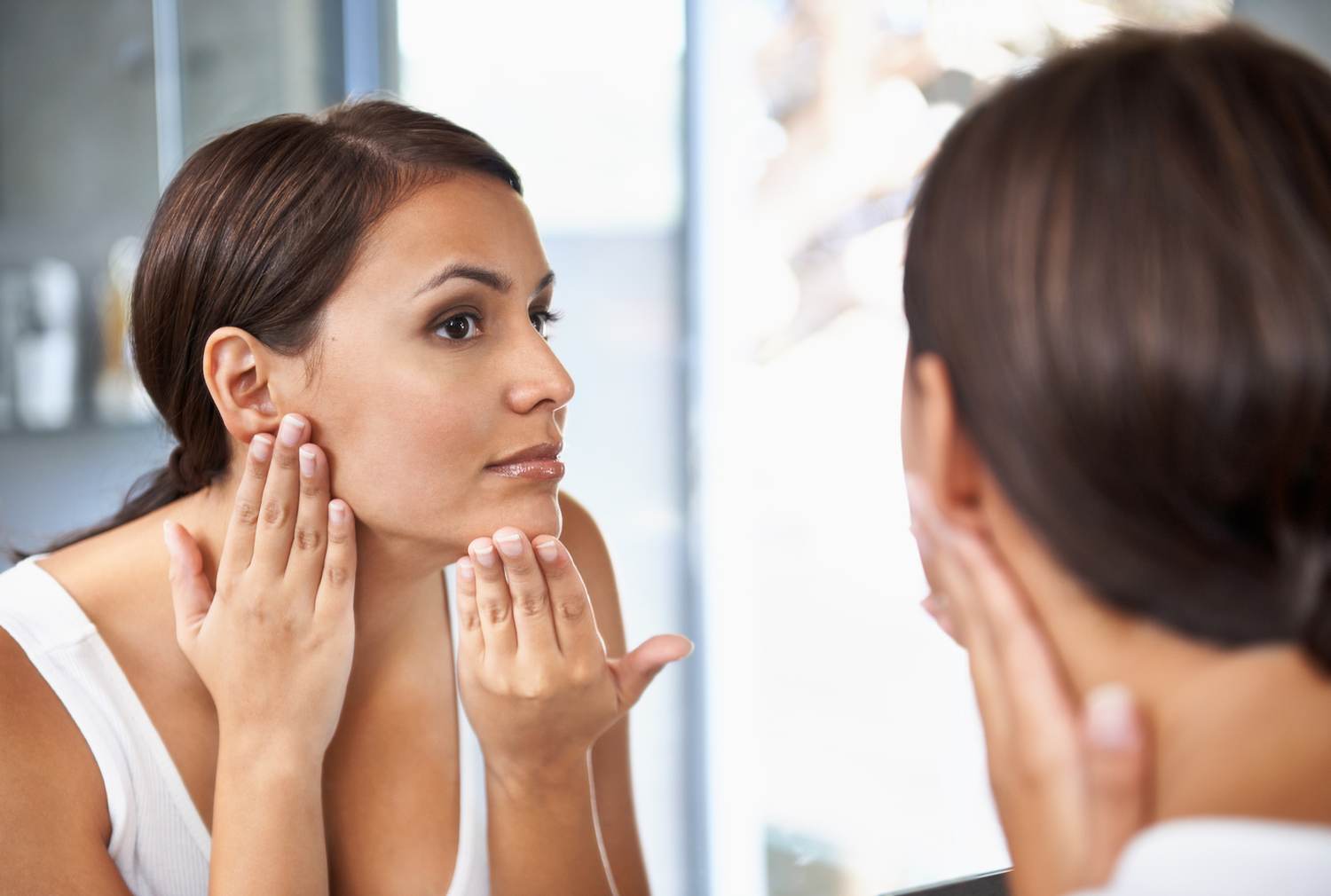
Would acne and excess hair growth trigger the thought that you could have a hormonal disorder? How about if your periods were irregular? While these can occur due to diet and nonserious hormonal shifts, they are also symptoms of polycystic ovary syndrome (PCOS), which is caused by a hormonal imbalance and affects one in 10 women of childbearing age, or as many as five million U.S. women, according to the Department of Health and Human Services.
You should not ignore the possibility of PCOS. It is associated with problems like excess male-like hair growth (hirsutism), infertility (it's one of the most common causes of female infertility), miscarriage, premature birth and gestational diabetes, diabetes, high blood pressure and other health problems.
PCOS symptoms you should be aware of include:
- Unpredictable menstrual cycle
- Male-like hair growth
- Acne
- Weight gain or trouble losing weight (particularly starting around the time of puberty)
- Difficulty getting pregnant
Having a mother, sister or aunt with the condition increases your risk for PCOS, as does having a high level of insulin or of the male hormone androgen.
PCOS gets its name because many women with the condition have small fluid-filled cysts in their ovaries, which represent the follicles containing eggs that never quite ovulated. But that's not the only indication that a woman has PCOS. In addition to many small ovarian cysts (hence the name "polycystic"), two other conditions must be present to be diagnosed with PCOS:
- Irregular or absent periods or infrequent or no ovulation: Periods might be infrequent, irregular or prolonged; abnormally heavy; or altogether absent.
- High androgen levels: Androgens are the male hormone that can lead to excess male-like facial and body hair growth on the chest, abdomen or upper thighs (also known as hirsutism). They can also cause increased scalp hair loss, balding and acne.
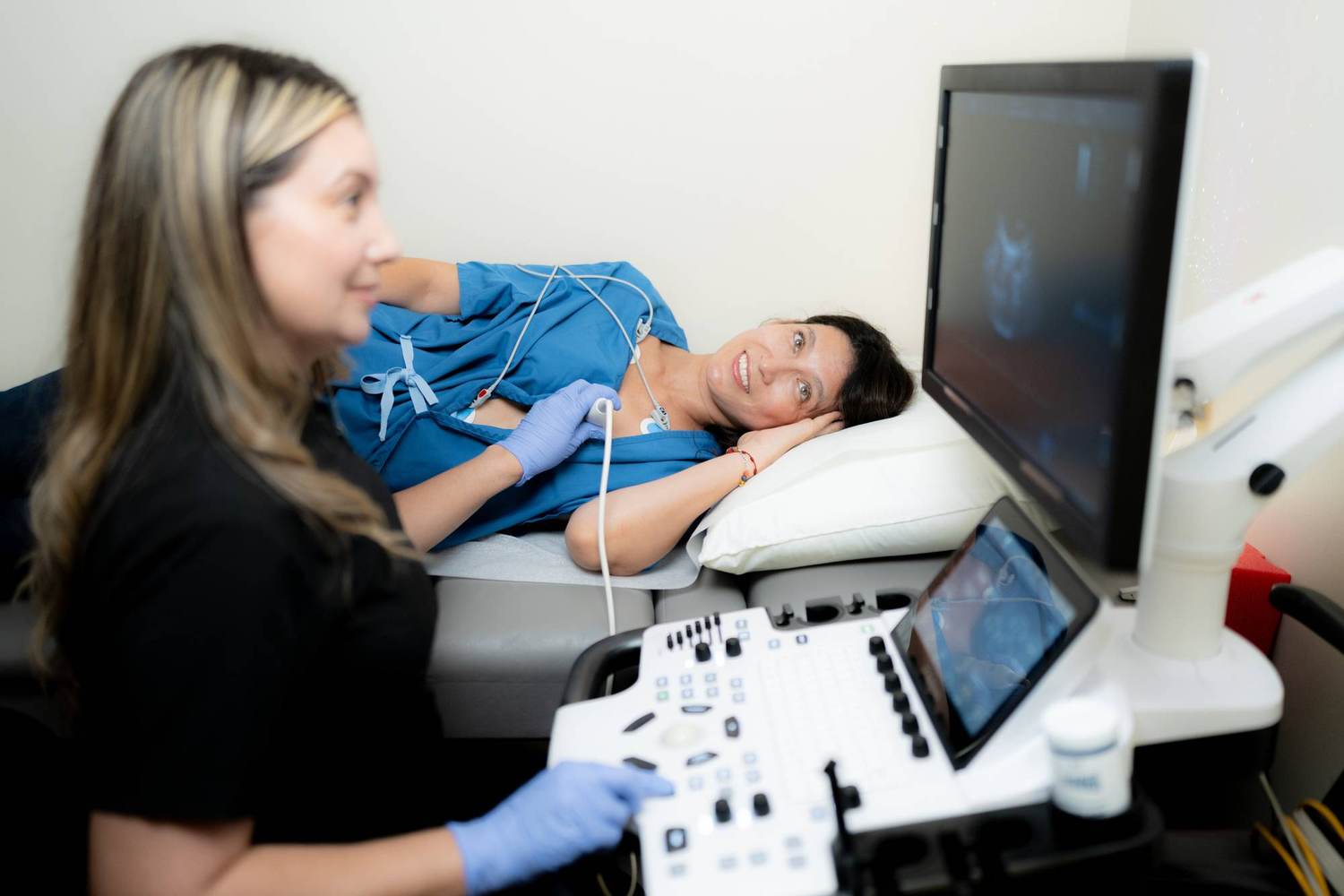
To diagnose the condition, your health care provider may analyze your blood for hormone levels, perform an ultrasound to look at the appearance of your ovaries and uterus, and conduct a physical exam to look for evidence of excess male-like hair growth, darkening in skin crease areas (a sign of insulin excess), and to look for masses, growths or other pelvic abnormalities, among other things.
Although there is no cure for PCOS, there are many effective treatments, which include lifestyle changes like losing weight (even a small reduction can make a difference) and increasing exercise, and medications to help regulate your menstrual cycle or stimulate ovulation. Excessive hair growth can be treated with birth control pills or medication that blocks the effects of androgen, or with creams or electrolysis.
Women with PCOS are at a higher risk of conditions that have long-term health consequences, like metabolic syndrome, type 2 diabetes, sleep apnea, high blood pressure, unhealthy cholesterol and cardiovascular disease.
PCOS can also increase the risk of abnormal uterine bleeding and endometrial cancer, as well as depression, anxiety and eating disorders. (A 2014 study in the journal Frontiers in Endocrinology found that women with PCOS had more personality and psychiatric disorders than the control group.)
If you think you may have PCOS, schedule an appointment with a knowledgeable health care professional and describe your symptoms in detail.








Popular
1
Polycystic Ovary Syndrome (PCOS)
Sep 16, 2009
2
Metabolic Syndrome
Sep 16, 2009
3
4

5

6
PCOS and Menopause
Feb 28, 2019
Support Our Mission
Keep Trusted Women’s Health Information Free
Your donation ensures every woman continues to have access to credible health content.More Stories






Everything you need to know about women’s health — in one place.