The Truth About Polycystic Ovary Syndrome
Polycystic ovary syndrome (PCOS) is considered the most common cause of female infertility. But, with proper diagnosis and treatment, many women with PCOS are able to achieve a healthy pregnancy.

By Robyn Nazar, RN, for Women's Health Foundation
Polycystic ovary syndrome (PCOS) is considered to be the most common cause of female infertility. This disease is characterized by small cysts that form on the ovaries and disrupt normal ovulation and hormonal function.
Learn more about Top Causes of Infertility in Women.
Diagnosis is made by identifying symptoms, which can include excessive hair growth, irregular menstrual periods or absence of periods, weight gain, acne and infertility. Although most women with PCOS will have trouble with natural conception, with proper treatment many are able to achieve a healthy pregnancy. Below are the top three myths to be dispelled about PCOS and pregnancy.
Myth: Natural treatments have been well studied and are safe.
Fact: Natural is not always better, contrary to popular belief. When it comes to pregnancy and PCOS, there is no end to the amount of information online about natural treatments. Although this notion is well-intended, it is also misleading. Natural PCOS treatments have been poorly studied, and therefore their effectiveness and safety are largely unknown. It is best to talk to your health care provider about which methods are safe for you.
Myth: I have a period, so therefore I am ovulating.
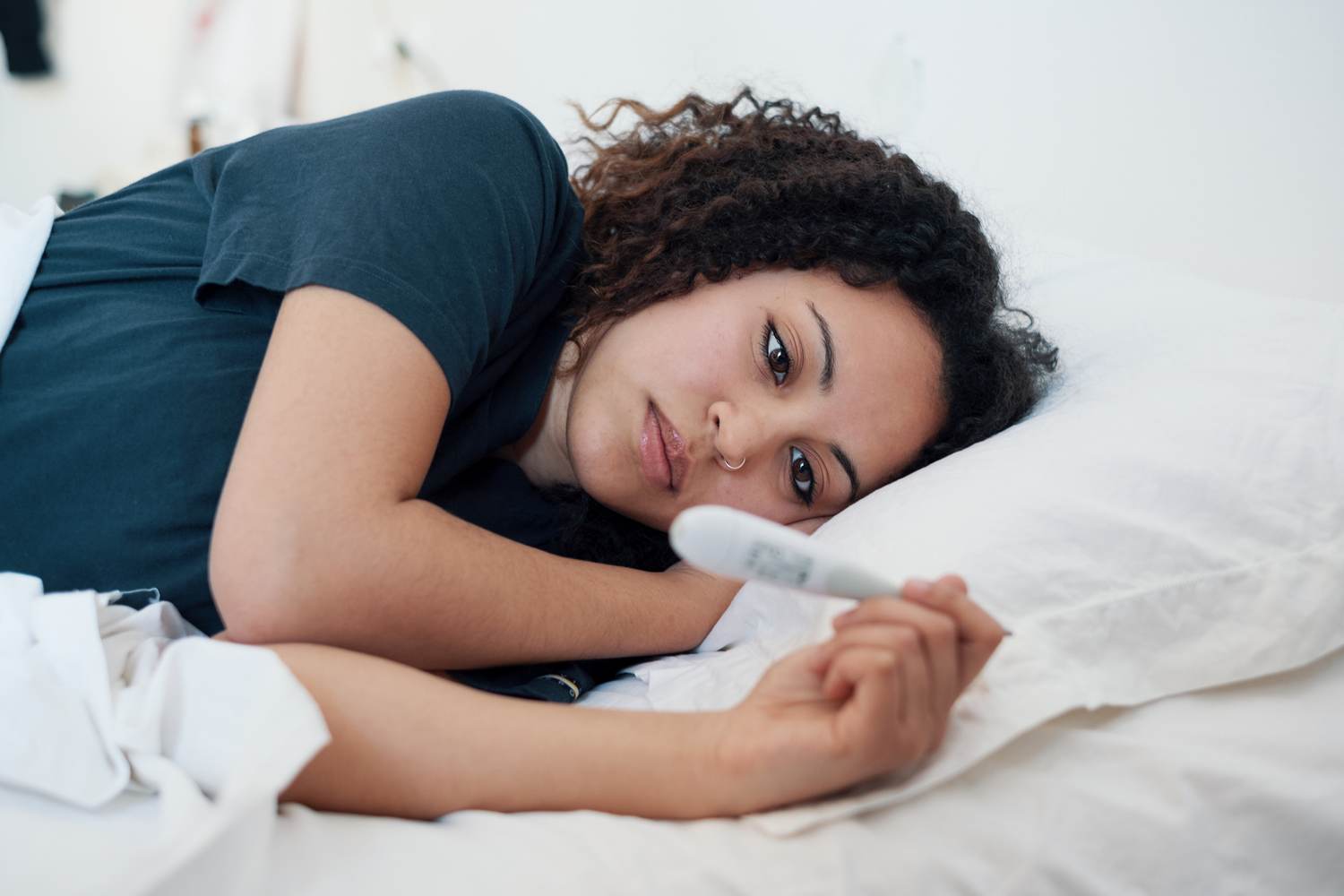
Fact: One of the biggest misconceptions in reproductive health is that the presence of a regular period means that a woman is ovulating and fertile. Technically, a bleed during a menstrual cycle without ovulation is not a menstrual period at all, but rather withdrawal or breakthrough bleeding. However, many women are unable to tell the difference. During the menstrual cycle, a woman's estrogen rises to build up the lining of the uterus in preparation for pregnancy and to mature an egg for ovulation. However, it is possible for the estrogen to rise enough to build up the lining but not enough to ovulate. Therefore, when the estrogen levels drop, the lining is shed in withdrawal bleeding. It is also possible for the lining to continue to build up with low levels of estrogen until it is too thick. Then the lining begins to breakdown on its own, causing what is known as breakthrough bleeding. For women who have polycystic ovary syndrome, hormonal imbalances may cause one of these two scenarios, falsely leading her to believe she is ovulating. Ovulation can be tracked through the use of basal temperature monitoring and ovulation charts, as well as by a qualified health care provider.
Myth: Getting pregnant with PCOS requires aggressive fertility treatment.
Fact: Every woman with PCOS, whether or not they are trying to get pregnant, needs PCOS treatment. This condition can have long-term negative health effects, including diabetes, heart disease and endometrial and breast cancer. However, the treatment for each woman depends on many individual factors including age and severity of the disease. All women are encouraged to achieve an ideal weight and participate in relaxation and other health-promoting activities. If a woman is not ovulating and is trying to get pregnant, she will likely be given medications such as: the fertility drug clomiphene citrate (Clomid); the insulin-sensitizing drug metformin; letrozole (Femara), a medication FDA-approved for breast cancer treatment and sometimes used off label to induce ovulation; or gonadotropins, purified solutions of follicle-stimulating hormone with or without luteinizing hormone, which are administered by injection. These medicines may be administered individually or in combination to help induce ovulation. In some cases, a more invasive procedure such as in vitro fertilization may be required. However, this is generally not used until other treatments have been tried.







Support Our Mission