

Search
Latest Stories



Newsletter Sign-Up
Newsletter
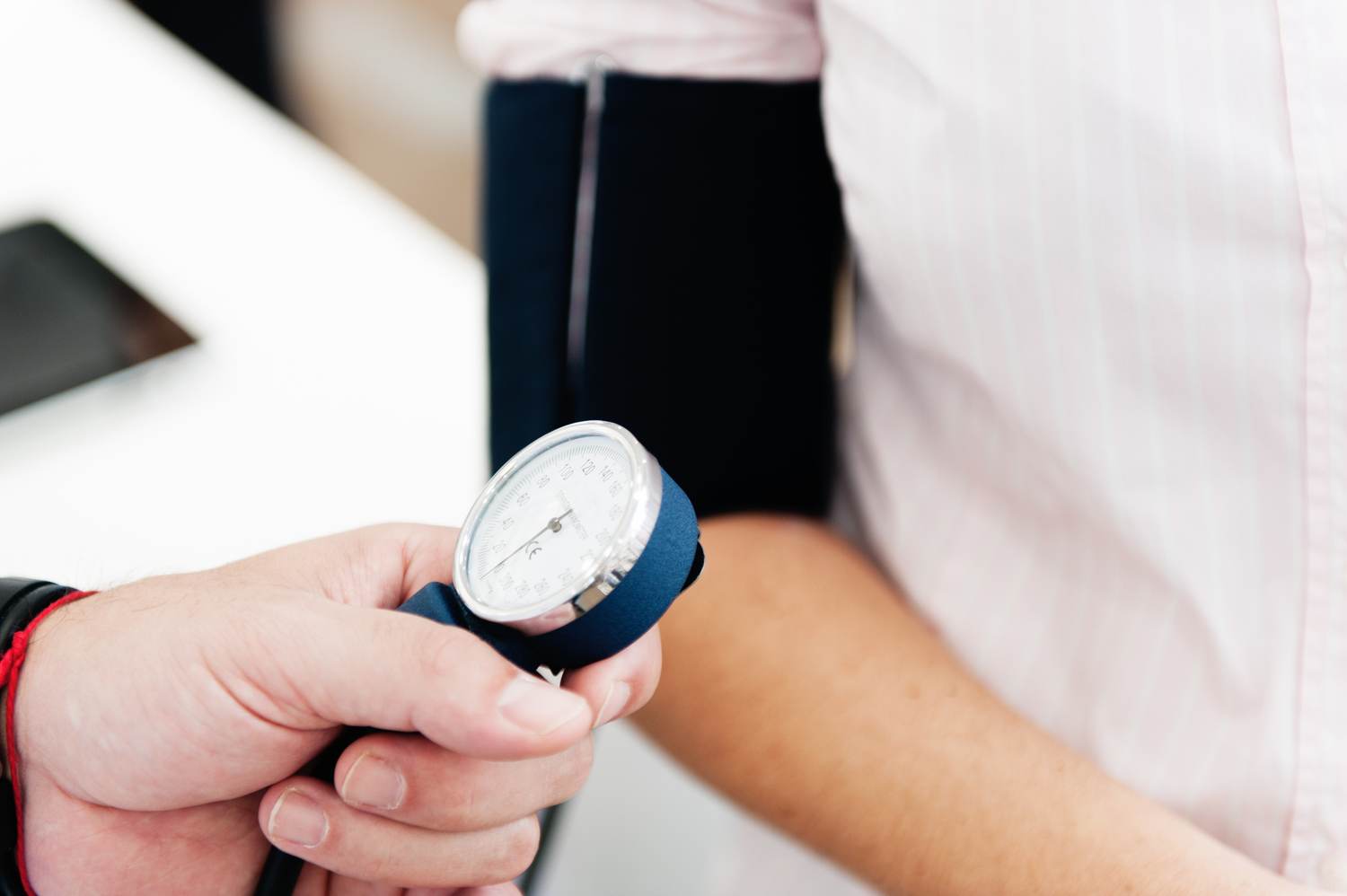
Even if you make all recommended lifestyle changes to reduce your blood pressure, it may remain high (although not as high as if you didn't make any changes!). That's when medication is needed. There are currently seven primary classes of blood pressure lowering medications, as shown below. You may need to take more than one drug. Studies find that most people with hypertension need at least two medications to bring their blood pressure into line. If the idea of taking two more medications every day makes your throat tighten, no worries. Many antihypertensives come in combination pills: a diuretic combined with an ACE inhibitor or ARB, for instance. Studies find such single-pill combinations can significantly improve a person's willingness to continue taking their medication as directed.
Antihypertensive Medications
| Class of Medication | Common Drugs within Class (generic/brand) | How They Work |
| Diuretics | Chlorthalidone (Hygroton), hydrochlorothiazide (Microzide, Esidrix, Hydrodiuril) and indapamide (Lozol) | Help your body get rid of excess sodium, which contributes to fluid retention and increases blood pressure |
| Beta blockers | Atenolol (Tenormin), pindolol (Visken) and metoprolol (Lopressor, Toprol-XL) | Slow the heart rate, thus reducing overall blood flow |
| Calcium channel blockers | Verapamil (Isoptin, Verelan, Calan), diltiazem (Cardizem and others), nifedipine (Adalat, Procardia and others), nicardipine (Cardene), isradipine (DynaCirc), amlodipine (Norvasc), felodipine (Plendil) and nisoldipine (Sular) | Prevent calcium from getting into muscle cells in the arteries, relaxing arteries |
| Angiotensin-converting enzyme (ACE) inhibitors | Captopril, enalapril, lisinopril, benazepril (Lotensin), fosinopril (Monopril) and ramipril (Altace) | Interfere with the body's production of angiotensin II, a hormone that causes arteries to constrict |
| Angiotensin II receptor blockers (ARBs) | Drugs in this class include candesartan (Atacand), losartan (Cozaar), valsartan (Diovan) and telmisartan (Micardis) | Also interfere with the body's production of angiotensin II, but with fewer side effects |
| Alpha blockers | Doxazosin (Cardura), prazosin (Minipress) and terazosin (Hytrin) | Prevent the hormone norepinephrine from constricting small arteries and veins |
| Direct renin inhibitors | Aliskiren (Tekturna) | Prevent production of the kidney enzyme renin, which triggers production of angiotensin II |






Stories We Love
1
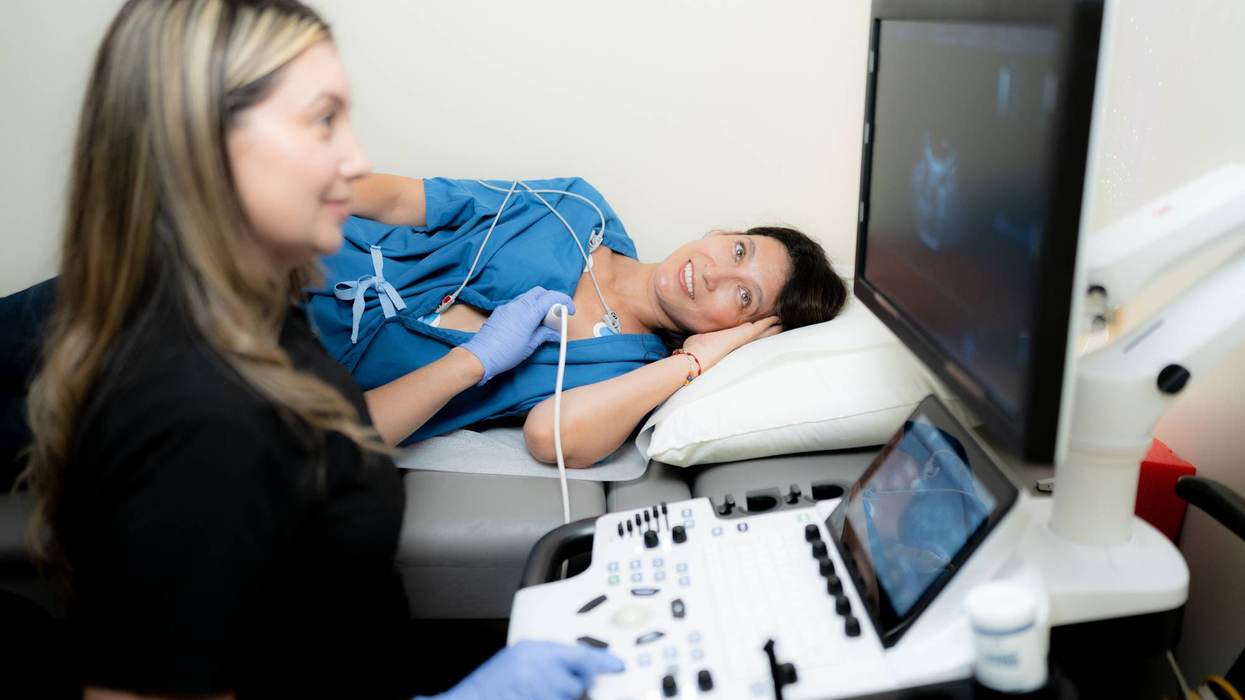
Cardiac Diagnostic Tests
Oct 13, 2026
2
Pruebas para diagnósticos cardiacos
Oct 13, 2026
3

10 Things You May Not Know About High Blood Pressure
Sep 29, 2026
4
10 cosas que podrías no saber de la hipertensión
Sep 29, 2026
5

5 Surprising Things That Can Affect Blood Pressure
May 27, 2026
6

High Blood Pressure 101
Feb 19, 2026
Support Our Mission
Keep Trusted Women’s Health Information Free
Your donation ensures every woman continues to have access to credible health content.
More Stories





Everything you need to know about women’s health — in one place.