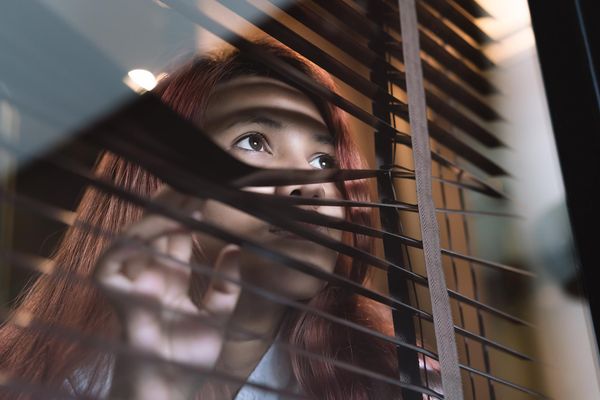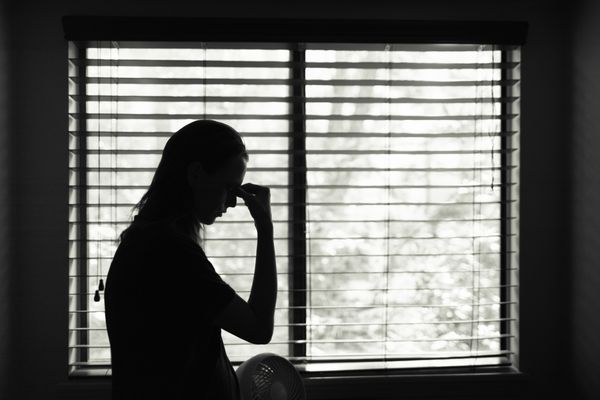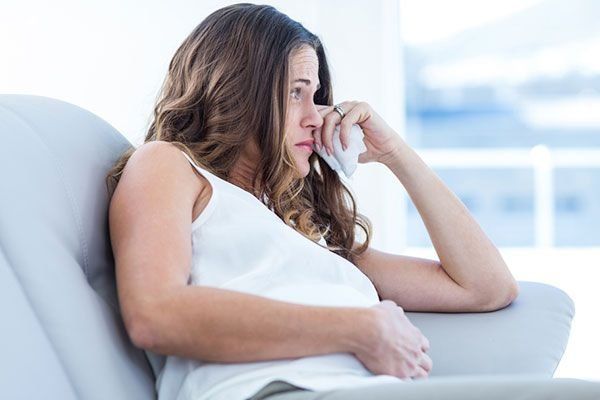

Psychological abuse can be just as damaging to a person's mind as physical abuse is to a person's body. Psychological abuse often accompanies physical abuse and can be evident even before physical abuse starts.
That's why it's important to recognize the signs of psychological abuse. Whether you notice it in your own relationship or in that of a family member or friend, if you see any of the following signs, it's time to reach out and get help.
Behavior an Abusive Partner Can Show
Someone who is psychologically abusive may engage in the following behavior toward his or her partner, whether it's in public or at home:
- Humiliates or yells
- Criticizes
- Threatens to leave regularly
- Ignores partner's opinions or accomplishments
- Intimidates
- Controls
- Blames
- Treats partner like property or a sex object
- Acts jealous of anyone partner interacts with
- Limits partner's access to money, phone, car, family or friends
- Threatens to hurt partner and/or their children
- Destroys partner's belongings
- Forces partner to have sex
Behavior an Abused Person Might Show
Someone who's being abused by his or her partner might show the following signs:
- Doesn't act the same way as he or she did before the partner
- Acts timid
- Shows a loss of self-confidence
- Thinks he or she should be happier
- Has anxiety about seeming crazy
- Has a desire to escape
- Distrusts family or friends
- Acts emotionally numb
- Is afraid
- Avoids certain conversation topics
- Thinks relationship problems are his or her fault
If any of these characteristics—even just one or two—seem to describe you or someone you know, it's time to talk to someone about it. Even if you think the behavior seems minor compared to instances you've seen in movies or on TV or have read about in books, there's no amount of psychological abuse that's considered OK. If an incident happened just once, it's still worth mentioning, because it could happen again if you don't take action.
If you think you're being psychologically abused, reach out to a person you trust or call a domestic abuse hotline. You can call the National Domestic Violence Hotline at 1-800-799-SAFE or the National Sexual Assault Hotline at 1-800-656-HOPE or a local hotline or shelter in your area.
If you notice these traits in the relationship of someone you know, ask the person who might be being abused if everything is OK. Express your concern and offer to help your family member or friend, but don't pressure the person or give your own advice—it's important to accept the person's decision.
The most important thing is to do something—don't wait for someone to come to you asking for help.