

Search
Latest Stories



Newsletter Sign-Up
Newsletter
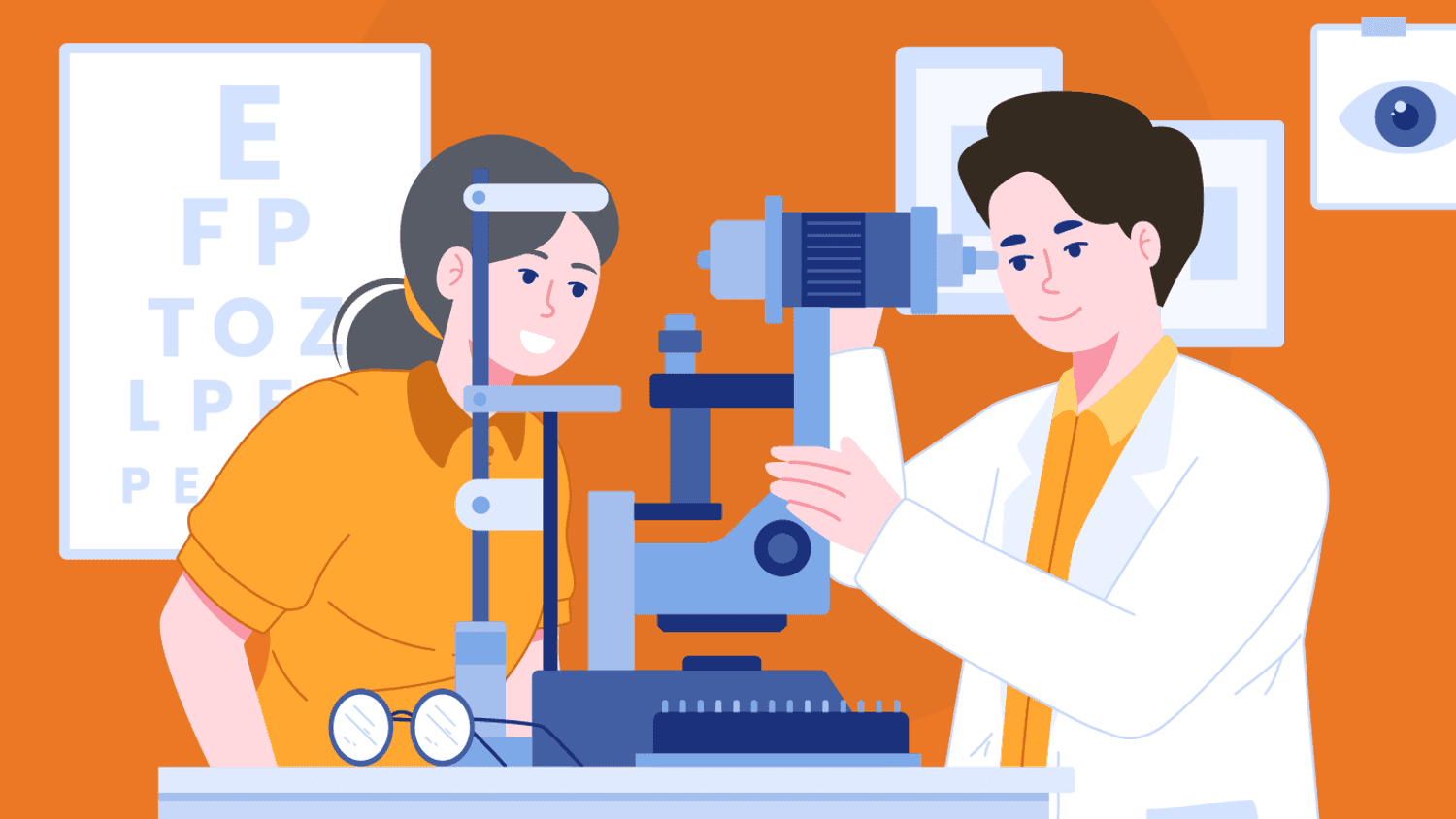
May is Healthy Vision Month.
May is Women’s Health Month.
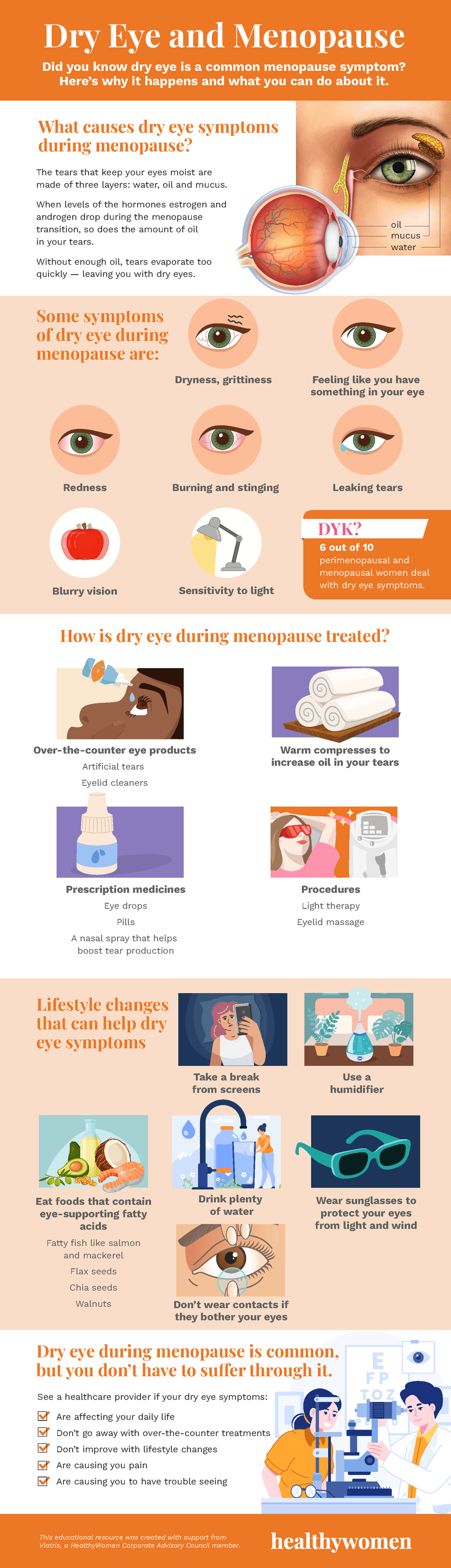
What causes dry eye symptoms during menopause?
The tears that keep your eyes moist are made of three layers: water, oil and mucus.
When levels of the hormones estrogen and androgen drop during the menopause transition, so does the amount of oil in your tears.
Without enough oil, tears evaporate too quickly — leaving you with dry eyes.
Some symptoms of dry eye during menopause are:
- Dryness, grittiness
- Feeling like you have something in your eye
- Redness
- Burning and stinging
- Leaking tears
- Blurry vision
- Sensitivity to light
DYK?
6 out of 10 perimenopausal and menopausal women deal with dry eye symptoms.
How is dry eye during menopause treated?
- Over-the-counter eye products
- Artificial tears
- Eyelid cleaners
- Warm compresses to increase oil in your tears
- Prescription medicines
- Eye drops
- Pills
- A nasal spray that helps boost tear production
- Procedures
- Light therapy
- Eyelid massage
Lifestyle changes that can help dry eye symptoms
- Take a break from screens
- Use a humidifier
- Drink plenty of water
- Eat foods that contain eye-supporting fatty acids
- Fatty fish like salmon and mackerel
- Flax seeds
- Chia seeds
- Walnuts
- Don’t wear contacts if they bother your eyes
- Wear sunglasses to protect your eyes from light and wind
Dry eye during menopause is common, but you don’t have to suffer through it.
See a healthcare provider if your dry eye symptoms:
- Are affecting your daily life
- Don’t go away with over-the-counter treatments
- Don’t improve with lifestyle changes
- Are causing you pain
- Are causing you to have trouble seeing
This educational resource was created with support from Viatris, a HealthyWomen Corporate Advisory Council member.







Popular
1
Bye, Bye, Itch! Managing Chronic Hives at Home
Sep 23, 2026
2

Biologics for Treating Asthma
Sep 22, 2026
3

4
Biofármacos para el tratamiento del asma
Sep 22, 2026
5
How EoE Affects Your Daily Life
Sep 24, 2026
6
10 Reasons You Might Have Blood in Your Urine
Feb 24, 2025
Support Our Mission
Keep Trusted Women’s Health Information Free
Your donation ensures every woman continues to have access to credible health content.More Stories





Everything you need to know about women’s health — in one place.