
By Tracy Tylka, The Ohio State University
Being able to socialize again may bring enthusiasm and a sense of normalcy – but it may also increase anxiety over how your body might have changed.
I am a psychologist who has studied body image for over 20 years, and I've seen how the COVID-19 pandemic could affect health and well-being in numerous ways, including body image. Gyms were closed. Self-care rituals may have fallen by the wayside as stress and hardships like homeschooling and strained finances piled up. The pandemic also took away a major way people cope: Social support through physical contact.
Pandemic stress has led many people to turn to other coping mechanisms, with some harmful to both physical and mental health. In one study of 5,469 adults in Australia, 35% reported increased binge eating, or eating large amounts of food in a short amount of time, due to pandemic life. In another study of 365 adults in Italy, 25.7% reported increased emotional eating over the course of lockdown. And in a survey of 3,000 adults in the U.S., 61% experienced undesired weight changes since the start of the pandemic. It's no wonder that people may feel anxiety over what others think about their changed appearance.
What is body image?
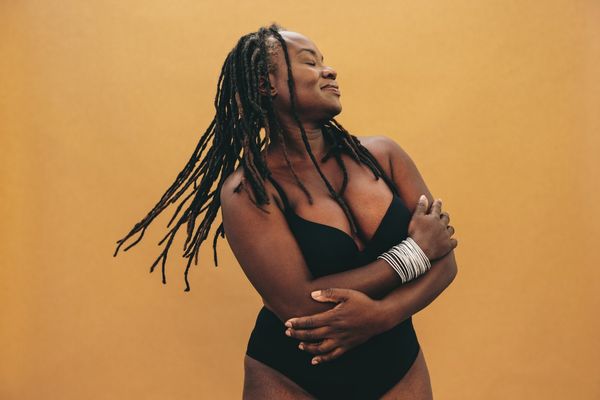
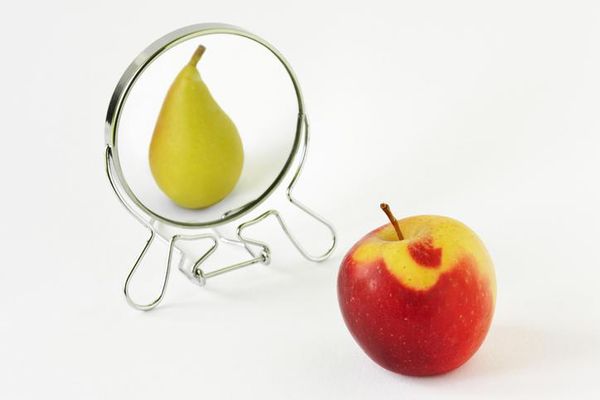
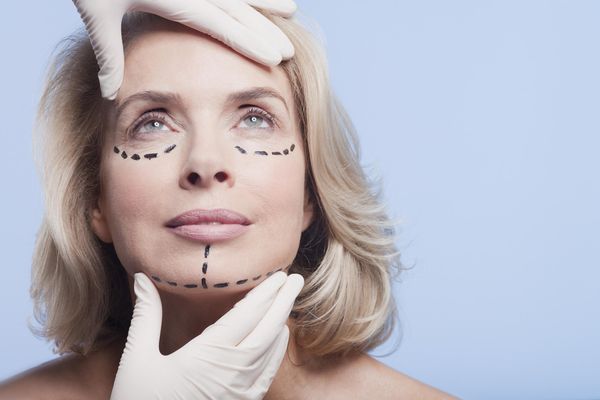
Body image is a person's “inside view" – or feelings, perceptions, thoughts and beliefs – of their body. Body image can be positive, neutral or negative, and it can fluctuate. Situations that provoke negative body image – like not fitting into formerly comfortable clothes, noticing age-related changes in appearance, seeing an unflattering picture of yourself and comparing your body to a social media influencer – are called body image threats.
Former bikini model Mary Jelkovsky talks about viewing your body as an experience.
Body image threats have been part of the COVID-19 experience for many people. The pandemic has also seen an increase in struggles with eating too much or too little, preoccupation with food, and anxiety about weight and body shape.
Fortunately, there are healthy ways to manage body anxiety and cultivate a positive body image while reemerging from the pandemic.
1. Focus on what you appreciate about your body
Rather than focusing on what has changed or what you don't like about your body, focus on what your body does for you. This is different for everyone. For example, my arms allow me to hug my dogs, my legs allow me to take them for walks, my stomach allows me to digest food so I have energy and my brain helped me write this article. Your body is much more than its appearance. Appreciating your body and what it does for you is central to cultivating positive body image.
2. Engage with others who accept and appreciate all bodies
3. Practice self-compassion
4. Engage in mindful movement
5. Practice self-care
6. Engage with nature
Interacting with nature is associated with a variety of health benefits, including higher positive body image. Activities that engage with nature, like hiking, may help you focus less on your appearance and more on how your body functions. Experiencing the beauty of nature can also help create opportunities for self-care, such as through rejuvenation and mindful movement.
7. Refrain from body comparison
8. Avoid the diet hype
Studies show that dieting does not work: It is not associated with long-term weight loss and often decreases overall well-being. Instead, focus on fueling your body when you are hungry with foods that provide your body with lasting energy. Eating intuitively – using your natural hunger, appetite and satiety cues to determine when, what and how much to eat – is linked to health and well-being.
Reemerging from the pandemic with confidence
There are many strategies to help build a positive body image, and resources are available to help you find one that works best for you. For those struggling with an eating disorder or severe negative body image, professional help is the best path forward.
Positive body image isn't just about feeling good about your appearance – it's also accepting and loving your body regardless of how it looks, and engaging in self-care to attend to its needs. Practice these strategies regularly to promote and maintain positive body image as you safely and confidently reenter your social world.
[Like what you've read? Want more? Sign up for The Conversation's daily newsletter.]
Tracy Tylka, Professor of Psychology, The Ohio State University
This article is republished from The Conversation under a Creative Commons license. Read the original article.