

Search
Latest Stories



Newsletter Sign-Up
Newsletter

By Joya Misra, University of Massachusetts Amherst
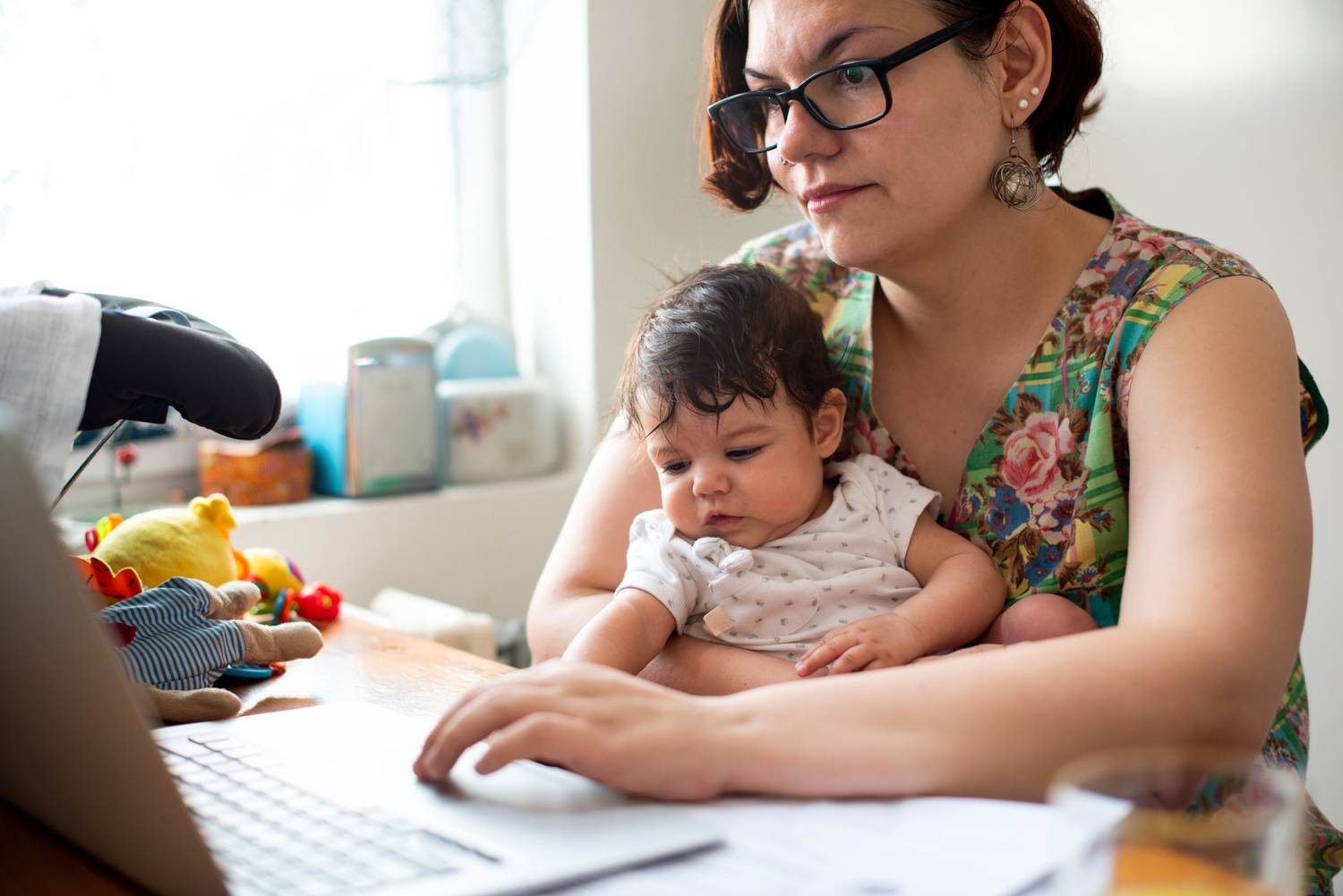
Millions of American families are finding themselves in a jam, with their jobs requiring them to return to work on site and plans from their local school districts calling for children to spend less time in classrooms. At the same time, child care is becoming less available and, in many cases, more costly.
Many working parents with young or school-age children may have to quit their job to stay home as the COVID-19 pandemic drags on. As a sociologist who studies parenthood, gender and labor market inequality, I expect that more women than men will leave their jobs.
In 2019 – before this new disease upended life as we know it – 72% of all U.S. women with children under 18 were working or looking for work, according to the Bureau of Labor Statistics. The situation was very similar for mothers with spouses and those without them: 70% versus 77%. With nearly all married fathers employed or looking for work, in 64% of families with two parents both were breadwinners.
Distance learning
Most school systems switched to distance-learning models in the final months of the 2019-2020 school year due to COVID-19 concerns.
Tentative plans for an adapted 2020-2021 school year schedule generally include measures to reduce COVID-19 risks. These proposals aim to make it easier for students, educators and other staff to constantly stay several feet apart from one another while meeting as many needs as possible for a wide range of kids.
Most of the plans I've reviewed so far, whether in Oklahoma, Wisconsin, California or elsewhere, combine in-person and distance schooling.
I'm lucky that my children are old enough to be able to learn relatively independently. One is entering high school and the other will soon be a college freshman. My husband and I also have university jobs that allow us to telework at least part of the time. But not all parents have this kind of flexibility. I have colleagues looking into enrolling their children in private schools out of concern about proposed student schedules in our western Massachusetts community.
The ability to telework makes it at least feasible to keep an eye on children on weekdays. This is an option for only 43% of all workers – with the college-educated more able than others to take advantage of it. Even full-time teleworking parents find it hard to have their kids at home when they need to be available around the clock for feeding, caring for and helping their children learn.
Day care
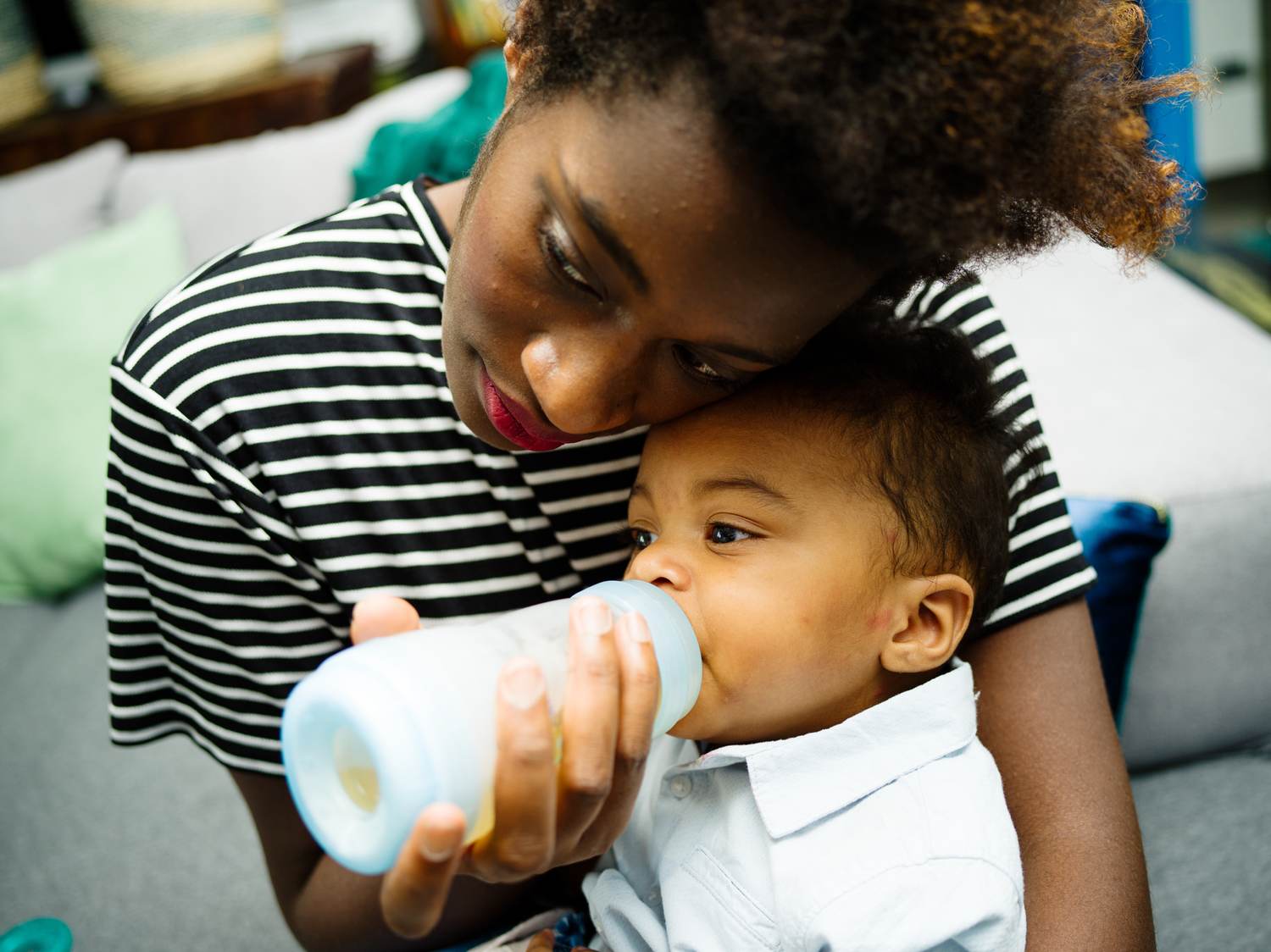
These issues are more challenging for parents of babies and very young children, who need even more attention, partly because spaces in child care centers were already hard to come by. Before the pandemic, U.S. families already struggled with child care costs. Adapting child care for social distancing means that labor and overhead costs for child care providers are rising as parents' earnings are generally stagnant or falling.
What I haven't yet seen is any explanation of how working parents might ensure that their children are OK at home, while they also need to hold down a job that requires their presence elsewhere. There's no easy answer to this question: Are parents more negligent if they leave their children to go to work, or if they lose their job and cannot afford to feed, clothe and shelter their kids?
Even once a vaccine is discovered, I believe the U.S. urgently needs to transform its child care and educational systems to better recognize the central role they play in an economy that relies so heavily on working parents.
[
Deep knowledge, daily. Sign up for The Conversation's newsletter.]
Joya Misra, Professor of Sociology & Public Policy, University of Massachusetts Amherst
This article is republished from The Conversation under a Creative Commons license. Read the original article.








Popular
1

Don't Panic at Your Child's First Pubic Hair
Dec 14, 2015
2

3

10 Things You Didn't Know About His Penis
Jun 05, 2014
4
5

20 Surprising Uses for Toothpaste
May 12, 2017
6
Support Our Mission
Keep Trusted Women’s Health Information Free
Your donation ensures every woman continues to have access to credible health content.
More Stories






Everything you need to know about women’s health — in one place.