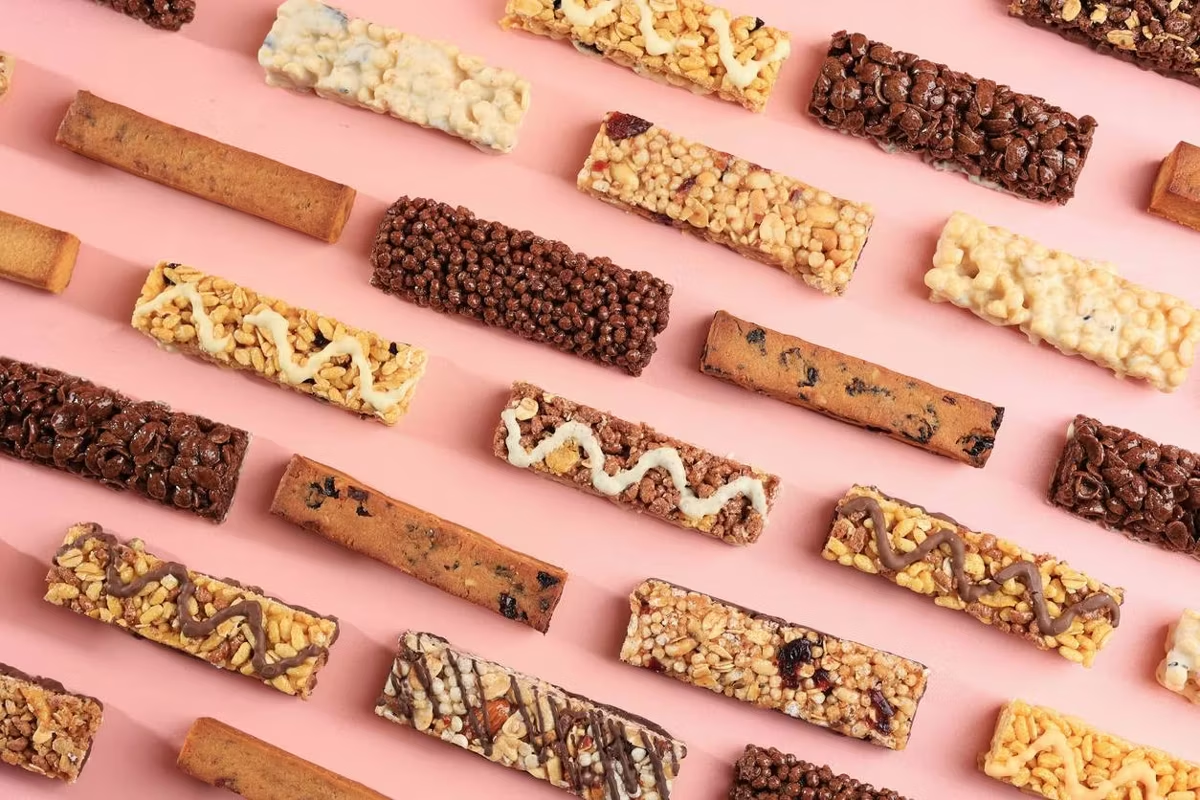
Protein bars have become the go-to snack for busy women trying to eat healthier. They're tucked into gym bags, desk drawers and carry-on luggage, promising a convenient way to build muscle, manage weight and power through the afternoon slump. With packaging that highlights words like "clean," "natural" and "high protein," it's easy to assume you're making a smart choice.
The reality is more complicated. Many protein bars are ultra-processed foods with questionable protein quality, hidden sugars and ingredients that can cause digestive trouble. That doesn't mean they're all bad, but understanding what's actually in these bars can help you decide if they belong in your routine.
How much protein do women actually need?
Protein supports muscle maintenance, bone health, immune function and satiety, and to get those benefits, most adult women need about 75 to 100 grams per day, according to Devon Golem, Ph.D., RD, known as the Nuanced Nutritionist. She recommends aiming for 25-30 grams at each meal and 5-10 grams in snacks.
Women who are pregnant, very active or over 40 need more. "If you fall into one of those categories, you'll want to bump up your intake to around 100-130 grams per day," Golem said. That translates to 30-40 grams at meals and 10-15 grams at snacks.
Most protein bars contain about 10-40 grams of protein per serving, which means they can help you reach your daily protein goals. The question is whether they're the best way to get there.
The question of quality
Walk down the protein bar aisle and you'll see words like “clean,” “natural” and “high protein” on nearly every package. These terms aren't regulated, and they often mask what's actually inside.
A 2025 study published in Scientific Reports found that while 81% of protein bars qualify as “high in protein,” the quality of that protein varies widely. Many bars rely heavily on collagen, which is an incomplete protein that lacks essential amino acids your body needs. Others pack in syrups, sugar alcohols, hydrogenated oils and long lists of additives to improve texture and shelf life.
“Pay attention to the protein first,” said Meena Malhotra, M.D., a double board-certified physician in internal medicine and obesity medicine and founder of Heal n Cure Medical Wellness Center. “If a bar only has 6 or 7 grams of protein, it’s basically a candy bar with better marketing. I like to see at least 10-15 grams.”
What to look for on the label
If you want to include protein bars in your routine, reading labels carefully makes a difference. Golem recommended looking for bars with 15-20 grams of protein, less than 4 grams of added sugar, less than 10 grams of sugar alcohols and at least 3 grams of fiber.
Sugar and its substitutes deserve extra attention. Many bars use glucose, fructose or maltose syrups as binders, which can spike blood sugar, especially in bars low in fiber. Research shows that bars with higher fiber and lower sugar support better blood sugar control and help you feel fuller longer.
Sugar alcohols like maltitol and sorbitol are another common ingredient. They lower the calorie count and keep things sweet, but they can cause bloating, gas and diarrhea in some people. "This usually only happens when you eat too much of them, about 20 or more grams per day," Golem said. "If you get GI issues like this, check your protein bars for these ingredients and moderate the amount you eat."
For women in perimenopause and menopause, protein becomes even more important for muscle preservation and blood sugar stability. "A higher protein snack can absolutely reduce late-night cravings," Malhotra said. "But women should still watch for added sugar and artificial sweeteners because those can worsen bloating and insulin resistance in this stage."
When protein bars make sense
Protein bars work best as a backup plan. "Save them for times that are really difficult to get nutrition from whole foods, like during travel or as an emergency snack," Golem advised. They can also be useful around workouts when you need convenient protein and carbs for recovery.
The trouble starts when bars become a daily habit that replaces balanced meals. "If you're using a 200-calorie protein bar to replace a 600-calorie meal, you're not meeting your nutritional needs," Golem said. "Remember, protein bars are a protein supplement. They’re meant to supplement the diet in times of need."
Whole foods like beans, lentils, tofu, yogurt, eggs, fish and nuts provide protein along with fiber, iron, zinc, B vitamins and other nutrients that bars simply can't match.
A simple rule for the store aisle
Malhotra has one straightforward guideline for choosing a bar. "Look at the ingredients, and if you can't recognize most of them, put it back. Aim for higher protein, lower sugar and ingredients that look like food."
While protein bars are fine in a pinch, Golem suggested setting some boundaries if you find yourself reaching for bars regularly. Limit yourself to one per day, avoid using them as meal replacements and keep looking for whole-food alternatives that fit your life.
Protein bars aren't inherently good or bad. They're tools that can help you meet your nutrition goals when chosen carefully and used strategically. The key is understanding what's actually in the package and being honest about whether a bar is serving your health or just your convenience.