
Search
Latest Stories
Newsletter Sign-Up
Newsletter
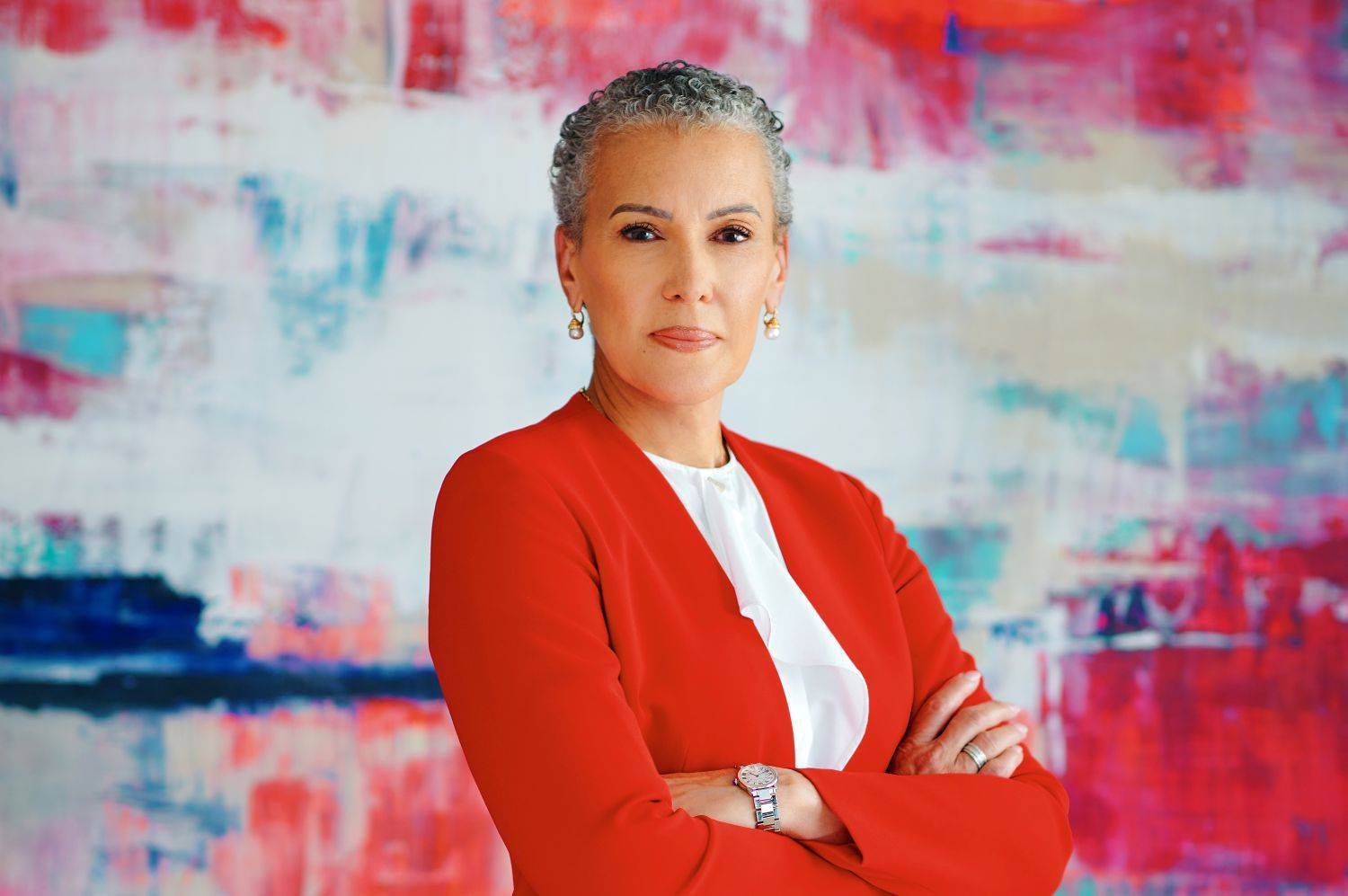
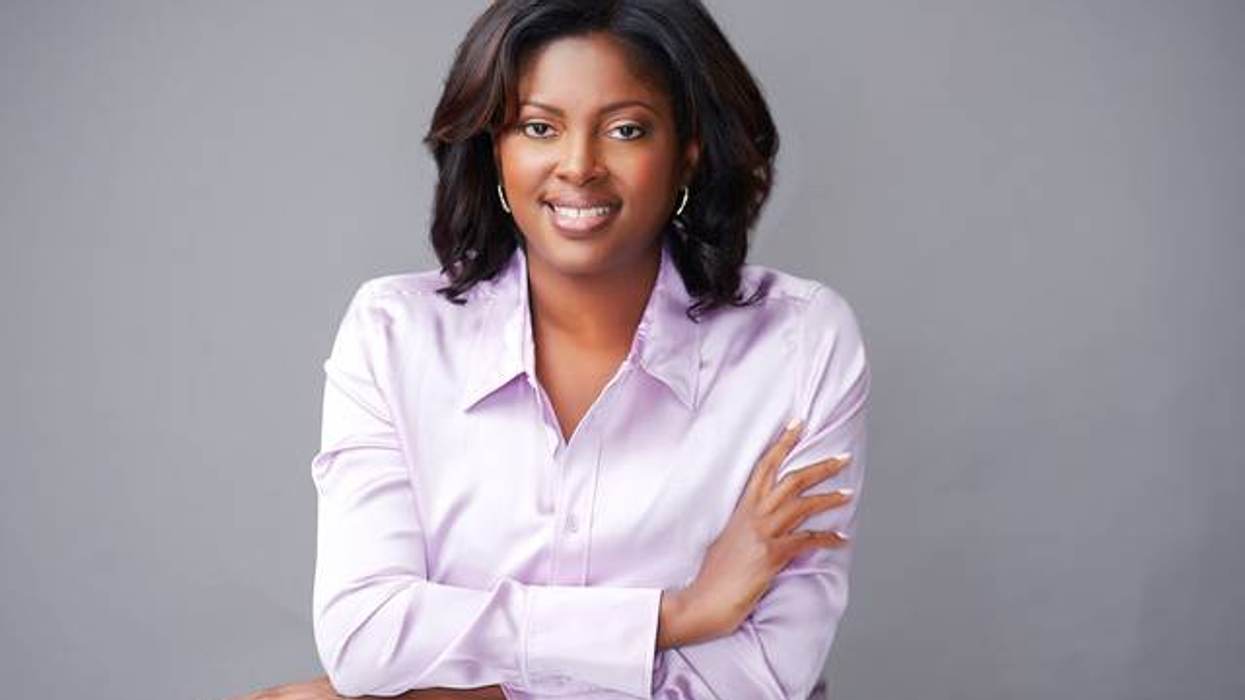
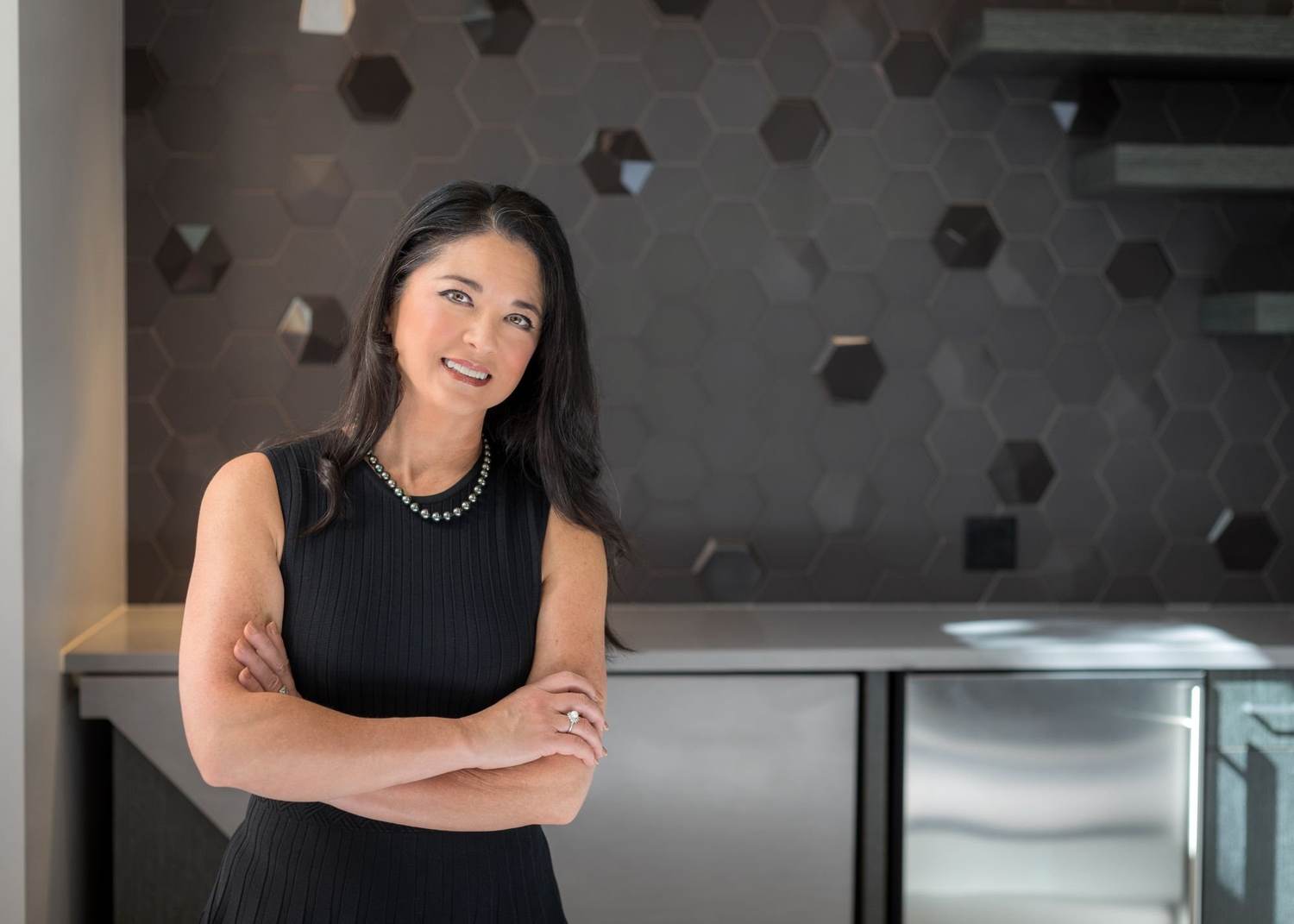
Sharon Malone, M.D., is the menopause whisperer.
You may have heard her talking about all things perimenopause and menopause on Oprah’s podcast. Or Michelle Obama’s podcast. Or your favorite morning show. Or her own podcast.
But Malone doesn’t just talk the talk. As a board-certified OB-GYN and menopause practitioner, Malone has more than 30 years of real-life experience treating women and advocating for menopause awareness before it was mainstream.
Malone’s unique combination of expertise and BFF-style of delivery has made her a leading voice in women’s health. These days, Malone is working to expand access to menopause care through her work as chief medical advisor for the digital health company, Alloy. She recently tackled important issues like healthy aging and navigating disparities in healthcare in her book, Grown Woman Talk: Your Guide to Getting and Staying Healthy, and added New York Times best-selling author to her resume (presumably below her title as Michelle Obama's health advisor.)
We sat down with Malone to chat about life’s important M’s: menopause, midlife and Michelle.
This interview has been lightly edited for clarity and length.
HealthyWomen: Conversations about perimenopause and menopause are more mainstream these days, but what’s the biggest misconception about menopause you’d like to correct?
Sharon Malone: The biggest misconception is that the transition from perimenopause to menopause is short and that you only have to endure it for a couple of months and then you'll be over it — because you’re not over it.
The transition is years long and once you make the transition from perimenopause to menopause, you will be menopausal forever.
HW: How are digital health companies advancing menopause care?
Malone: This is a very important question because we are facing a 24-year deficit in clinicians and doctors who know how to treat menopause because anyone who was trained after 2002 has really not had the experience with treating menopause.
We've lived in the post-Women's Health Initiative world where the general perception is that hormone therapy is dangerous and women shouldn't take it. The problem with that is that it has disadvantaged not only a generation of women who never got the conversation about hormone therapy, but there's also an entire generation of doctors who don't know how — or don't feel comfortable — treating women in menopause.
So, we've increased awareness, and patients are much more educated about how to enter this space, but then where do you go? It’s still a problem where women are going to see doctors who are still giving them 2002 information. All the misconceptions are still there, and even if we started today, training all the doctors, it would be another five to six years before it trickled down into the general population of physicians.
Digital health is uniquely situated because we can leverage the expertise of a few over many, many patients. One doctor can handle far more patients than they could physically handle in the course of a day. That's where digital health is going to come in. And I think we're going to see more of digital health not just in menopause and perimenopause, but in a lot of areas in healthcare — the things that don't require in-person physical visits — a lot of it's going to be handled in the digital space.
Also, digital health does two things: It improves access because what happens if you happen to not live in an area where you have a menopause-trained specialist? What happens if you can’t afford the specialist? What happens if you lose your insurance?
The digital health space is going to help fill the gap between what the ideal is — that every woman should have access to menopause treatment — and the reality that there's not a specialist for you to go to.
Read: 9 Tips for Tapping into Telehealth for Menopause >>
HW: You’ve said midlife is an empowering time for women. For those of us who need a little reminder, please expand on this.
Malone: I can say this not only from just having observed it but having lived it: Once you get to menopause and beyond, this is probably the most important time in women's lives in terms of being self-actualizing because we spend so much of our time taking care of others, advancing careers — you're doing all these things that really take the focus off you, particularly if you're raising young children or taking care of aging parents.
Once you get to menopause and beyond, this is the phase of life where I think you've never known more. You have more experience. You’re able to cut through the nonsense, and you really take charge of your life and the direction of your life.
The important thing is to take care of yourself in midlife so that when you get to the point where you finally can focus on you, you're feeling well enough and you're healthy enough to be able to do it.
That's my goal for women. Longevity has its place — it really does — but it's not just living longer, it's living better. So when you get to be 65 years old you're still doing the things that you want to do.
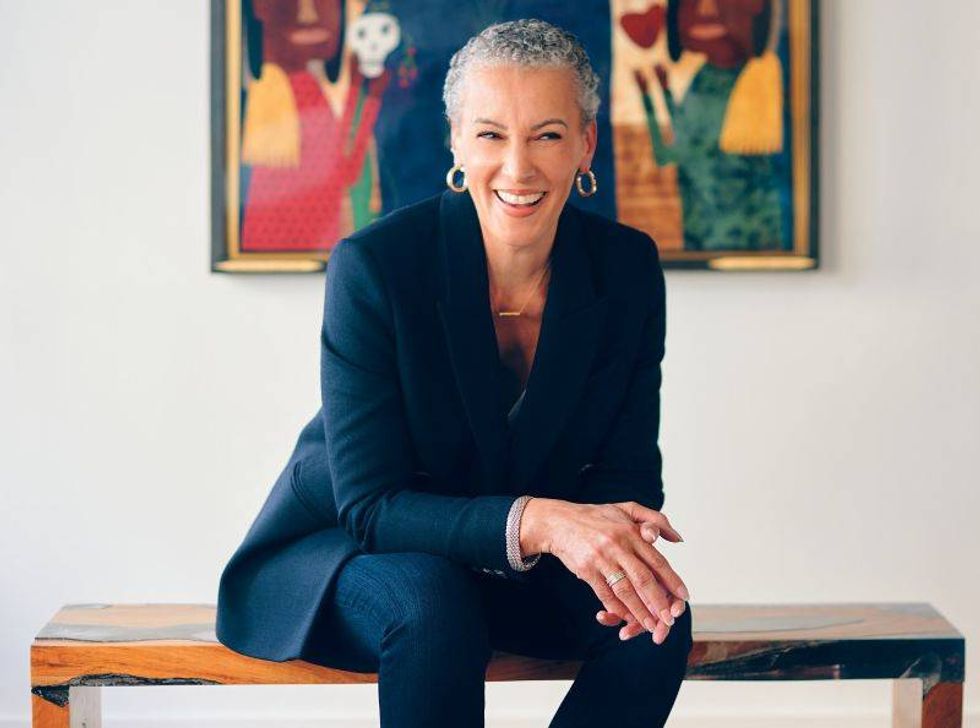
I think that we're seeing it more and more now where women at this age are finding new things. I started a whole new direction in my career at 62 — I'm 67 now. I want to give women better role models and tell them not to look at menopause and aging as something to fear or dread. It’s really something to look forward to. It's like, I'm free. I can just do me now.
HW: Your op-ed, America Lost Its Way on Menopause Research, sparked a national movement to increase funding and policy reform in women’s midlife health. What are you seeing today regarding policy that you want women to be aware of?
Malone: It's hard to believe, but we wrote that op-ed four years ago because we were coming up on the 20th anniversary of the Women's Health Initiative study. And just about everything that we asked for is at least being discussed, if not implemented.
I was fortunate enough to go to the Maryland State House just yesterday, when Governor Wes Moore signed a menopause bill into legislation, which mandates training for physicians. It also mandates that there’s insurance coverage and compensation for doctors that do menopause care. Multiple states have enacted menopause legislation and that's where the action is. It’s not coming from the federal government at this point, but it's happening in the states, and all I care is that it happens. And we are really making good on some of this promise.
I think that now that we've raised awareness it's time to change policy and to be able to legislate some of these things because women's health has been sorely neglected — particularly for women in midlife and beyond.
HW: Your podcast, The Second Opinion with Dr. Sharon, features a wide range of women’s health topics and experts. You’re usually the expert, so tell us something you learned about women’s health from a guest.
Malone: I talked to Dr. Fatima Cody Stanford, and she is the one of the researchers who is on the cutting edge of GLP-1s and obesity medicine. When I stopped practicing, GLP-1s weren't a thing. I didn't have any patients who were on GLP-1s. I didn't have any experience with them and I didn't know what they're used for.
After our talk, I could understand how GLP-1s work, who they're for and what the long-term health benefits are. That was probably the most eye-opening for me because it’s so new.
HW: In your book, Grown Woman Talk: Your Guide to Getting and Staying Healthy, you talk about losing your mother when she was just 57 from colon cancer. What do you want women in midlife to know about colon cancer?
Malone: Get screening early. And when I say early, I mean at 45, and that's for women who are just an average risk.
If you have a family history of colon cancer, you should get your first colonoscopy 10 years prior to the age of their diagnosis. So, if your mother or father was diagnosed at 45, you need to start screening at 35.
I think we get these numbers stuck in our head for screening — it was 50 for a colonoscopy for a long time — and now we're seeing younger people being diagnosed with colon cancer and we’ve realized that screening has to happen earlier.
There also needs to be a public education component where people know what the early warning signs are — even if you’re younger than 45 — because you can always get a colonoscopy for symptoms regardless of age. But to be able to use that information, you have to know what the symptoms are. We need to educate the public more.
HW: Michelle Obama wrote the forward of your book and said you’re the first person she turns to for a whole host of issues, especially her health. What’s the best health advice you’ve gotten from the former first lady that you can share with us?
Malone: There's been so much! She has been a case study in resilience and how to keep going in the face of negativity. She helps me drown out some of the noise because, when you're living in the public eye, you have to just decide you can't listen to everybody there because there's so much negativity around that space. As someone semi-living in the public eye and through my husband [former U.S. Attorney General Eric Holder], you do see negative comments and you do take it all so personally and she's helped me with that.
The advice I get from her most is not to read the comments when you look at social media or you post. They’re usually going to upset you.
HW: You’ve said that your fantasy side hustle is to be a DJ. What would your DJ name be?
Malone: You know what? I'm pretty annoyed that D-Nice took that name because my middle name is Denise, and it was going to be a mash-up of the Key & Peele skit, Dee-Nice. So, I'll have to find another one … maybe DJ Doctor or Dr. DJ instead of Dr. J.
HW: If menopause were a song, what song would it be?
Malone: “The Best Is Yet to Come.”






Stories We Love
1

2
5 Health Podcasts Worth Your Time
Jan 02, 2024
3
Menopause Got You Down? There’s an App For That.
Apr 20, 2023
4
What Every Woman Should Know About Menopause
Sep 12, 2019
5
6
Support Our Mission
Keep Trusted Women’s Health Information Free
Your donation ensures every woman continues to have access to credible health content.
More Stories

Everything you need to know about women’s health — in one place.