
Search
Latest Stories




Newsletter Sign-Up
Newsletter
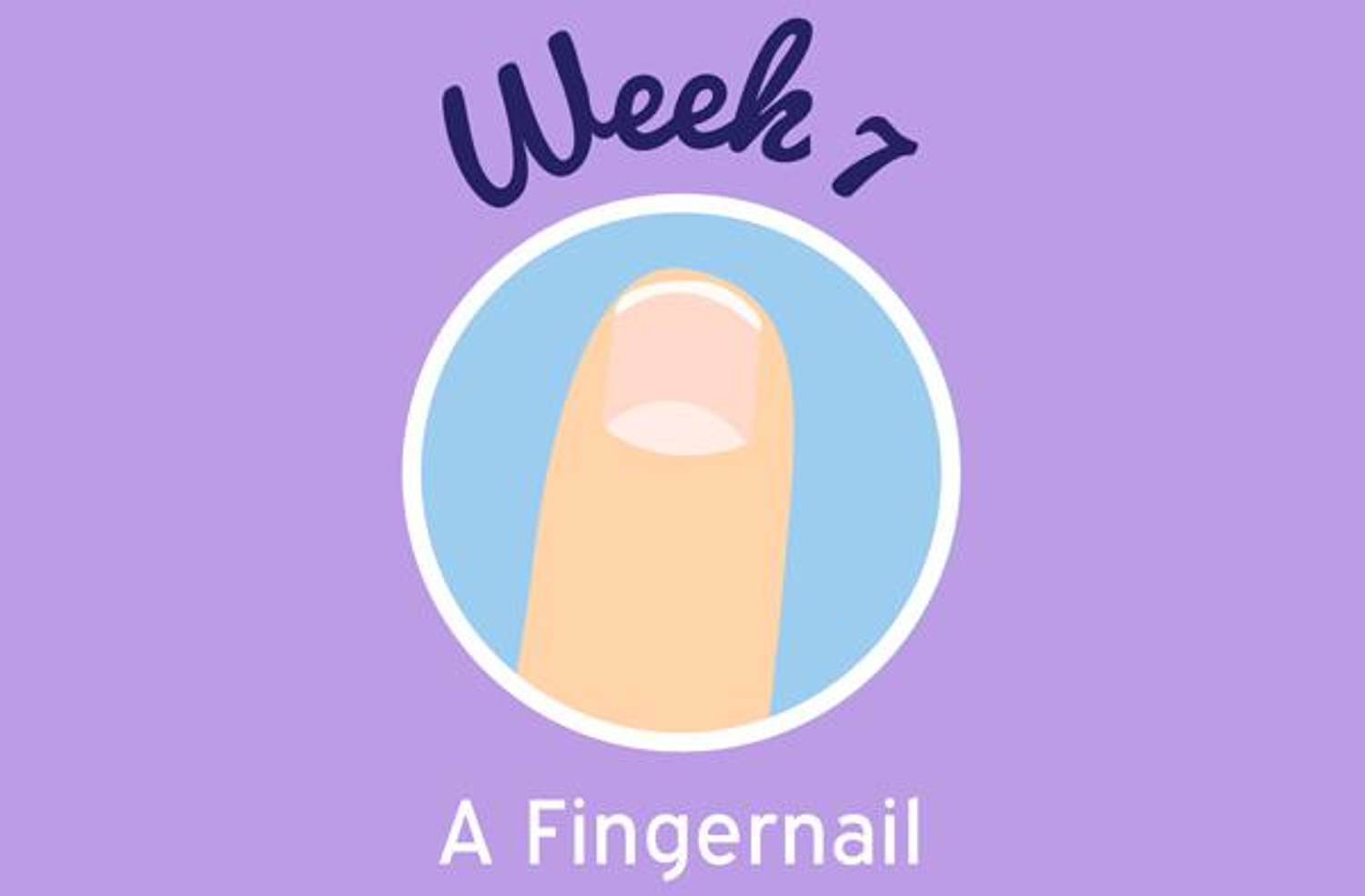
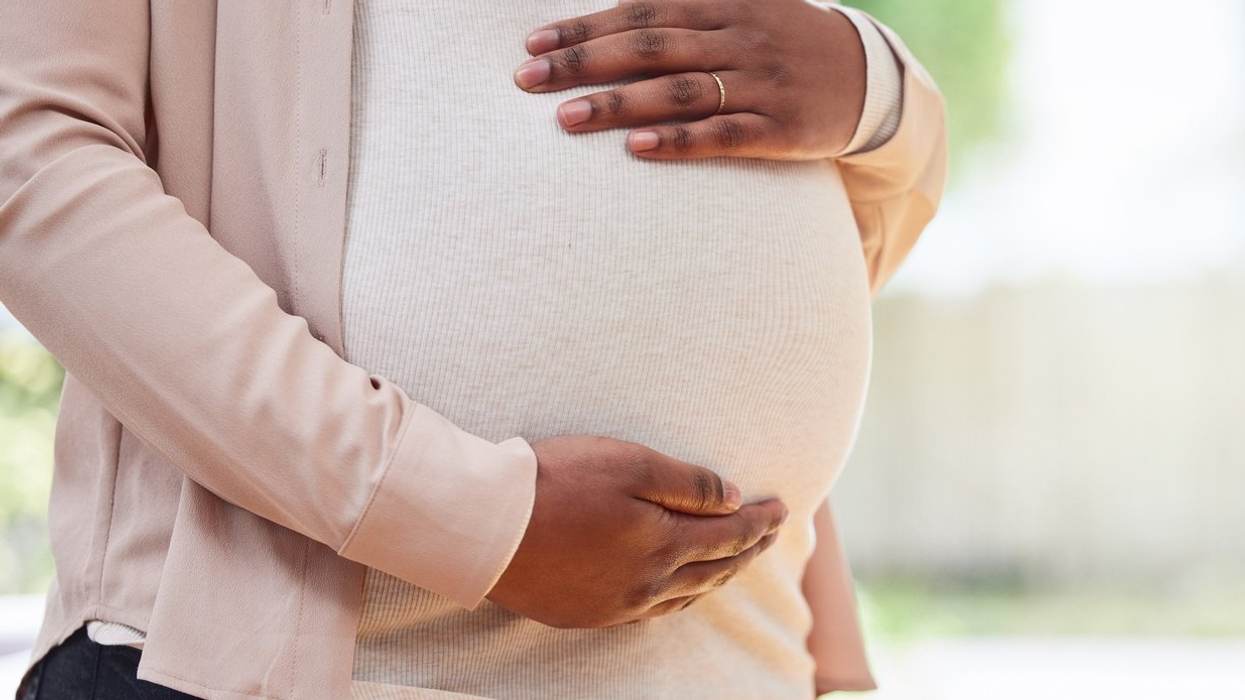
Now that you've reached week seven of your pregnancy, your baby is probably about the size of a fingernail. While he's still pretty tiny, he's far more advanced than the cluster of cells he started out as, because his brain cells are quickly developing.
Tip of the week:
Instead of reducing the amount of water you drink, try to cut back on beverages that contain sugar or caffeine, as they can promote dehydration. The latter can also intensify your need to urinate. Additionally, when you pee, try to lean forward slightly, and once you're done, give it one more push to fully empty your bladder.
His brain isn't all that's coming along; she's also growing other integral organs, such as a heart and kidneys. In fact, he likely has a heart rate of about 100 beats per minute at this point. Additionally, your baby may be developing a tongue, arms and legs.
Toward the end of your seventh week, your child is nearly double the length he was at the beginning, reaching roughly 13 millimeters, with the head making up the majority of the volume.
Even though your baby is no bigger than a berry at seven weeks, you may begin to feel pressure on your bladder. This isn't only due to your expanding uterus, but also an increase in a hormone called human chorionic gonadotropin (hCG), which helps to get blood flowing to your pelvis. This is a good thing, because blood flow stimulation allows you to better get rid of waste, and hCG plays an integral role in placenta development—so just try to remember that the next time you're racing to the bathroom.
You may also keep in mind that some women experience alleviation in their constant need to go once they enter their second trimester. But it also may reappear toward the end of your pregnancy when your little one settles down into your pelvis, leaving not much space for your bladder.
What's important to remember is that even though your urge to urinate may seem intense and never-ending at times, don't try to cut down on time spent in the bathroom by forgoing fluids. You and your baby need to remain hydrated, and a lack of fluids may cause a urinary tract infection, which is most unpleasant.
Read more:
4 Tips for Building Your Baby's Brain Health During Pregnancy
Tips for Your First Trimester
Common Physical Changes During Pregnancy






Stories We Love
1

4 Women’s Health Documentaries to Watch Right Now
Oct 22, 2026
2

New Tools Aim to Predict Preeclampsia
Aug 13, 2025
3
Know the Signs of Preeclampsia
Jul 24, 2025
4

5
6

Support Our Mission
Keep Trusted Women’s Health Information Free
Your donation ensures every woman continues to have access to credible health content.
More Stories






Everything you need to know about women’s health — in one place.