
Search
Latest Stories
Newsletter Sign-Up
Newsletter
As told to Erica Rimlinger
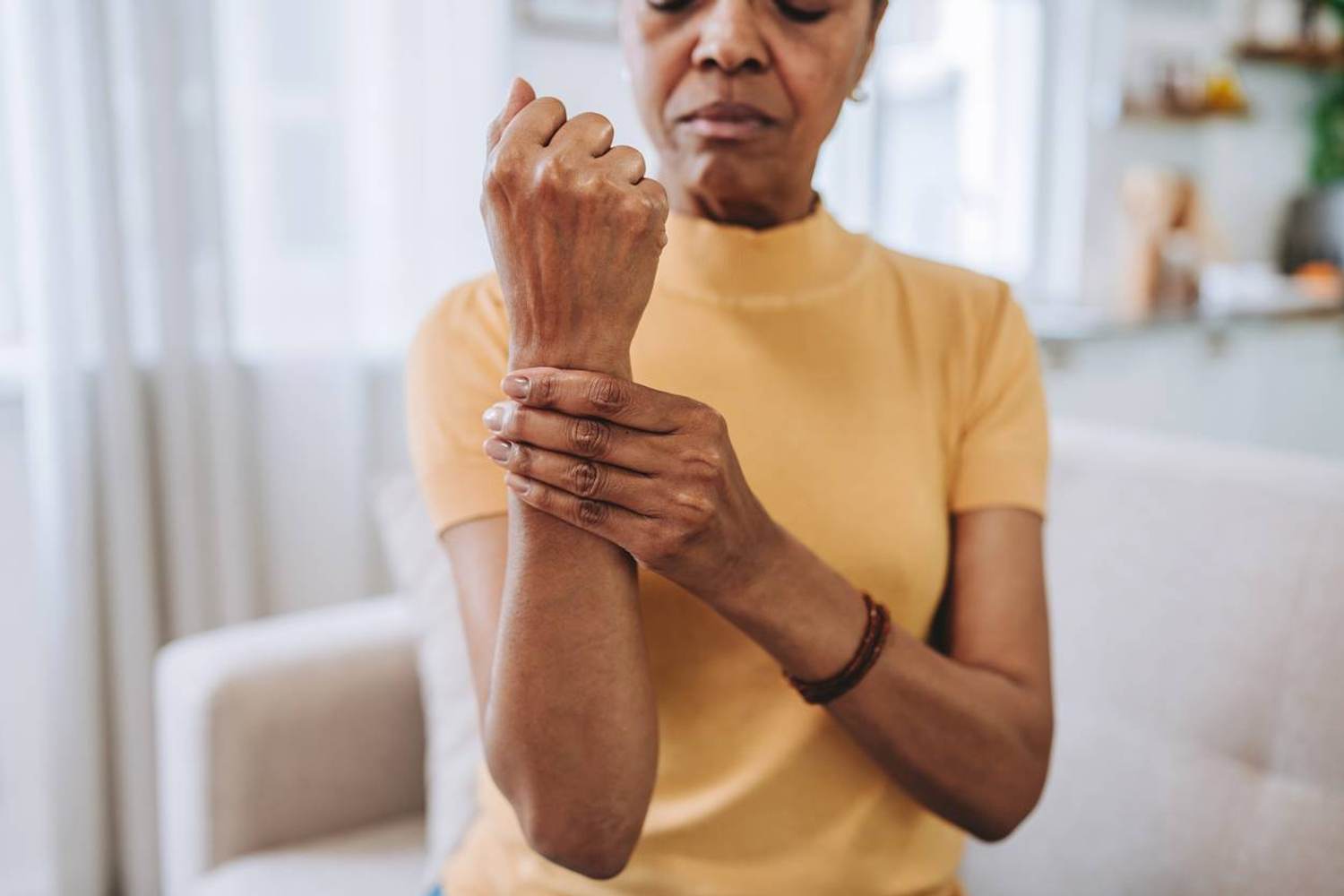
My son, who had come home from college for the holidays, loaded up the car and headed back to school with his dad. I stayed at home to clean up after the whirlwind visit. “Whirlwind” could easily describe the mess in the bathroom. As I cleaned, I thought about how I didn’t miss this part of having a teenage son at home, and while I wasn’t paying attention, I slipped and fell, landing hard on my wrist and breaking it.
At that time in my life, I had several osteoporosis risk factors. I was a middle-aged woman experiencing my first-ever fracture. Even though I’m a physician, the possibility that I had a fragility fracture — a fracture resulting from bone loss — didn’t enter my mind. After all, who wouldn’t fracture their wrist if they fell on a marble bathroom floor? 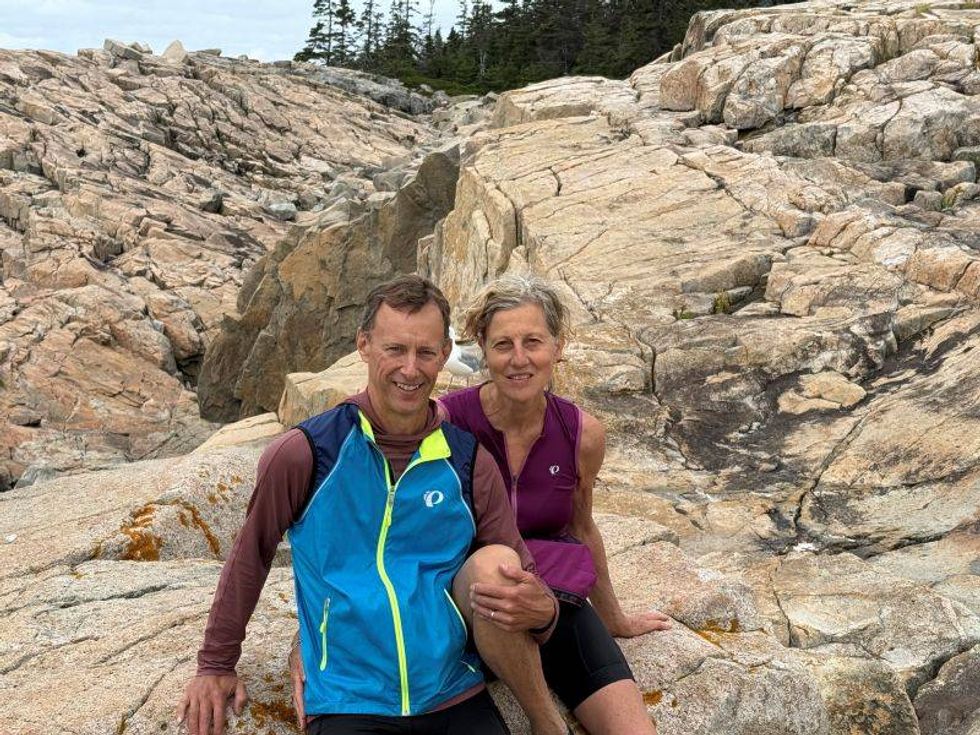 Acadia National Park, Mount Desire, 2025
After my fall in the bathroom, I went to the hospital where I worked and was treated. Later, a bone density test, called a DEXA scan, revealed that I had low bone density, but I didn’t see this as alarming. I believed I was doing my best with weight-bearing exercises and a diet high in calcium and vitamin D.
It was seven years before I had another DEXA scan. This time, it was a routine test ordered by my gynecologist because I was postmenopausal. The scan showed that my low bone density had progressed to osteopenia, which is bone loss that hasn’t yet reached the level of osteoporosis. My gynecologist and I both minimized the significance of these results, believing an antiresorptive medication that would slow down the loss of bone would be sufficient. At the direction of my gynecologist, I started the medicine in addition to my calcium and vitamin D supplements. Later, I learned these measures weren’t helping as much as they should. At my next appointment, my DEXA scan showed my bone loss had progressed to osteoporosis. My gynecologist and I decided it was time to seek advice from a specialist who had experience and depth of knowledge in treating bone conditions.
The endocrinologist I saw ordered some lab work that showed high levels of calcium in my urine, and I learned that the measures I had believed were helping, like taking calcium supplements, had had little effect. My kidneys were spilling the calcium into my urine, leaving little for my bones to absorb. I was prescribed a new medicine to help my kidneys hold on to the calcium that is essential to building and maintaining bone.
The endocrinologist explained that calcium is good for maintaining bone health, but after bone loss has begun, only a bone-building medication can help with the loss. At the specialist’s direction, I started taking injections of a new medication in early 2022. Now certain I was on the right track with my bone health, I felt confident enough to start planning longer bike adventures.
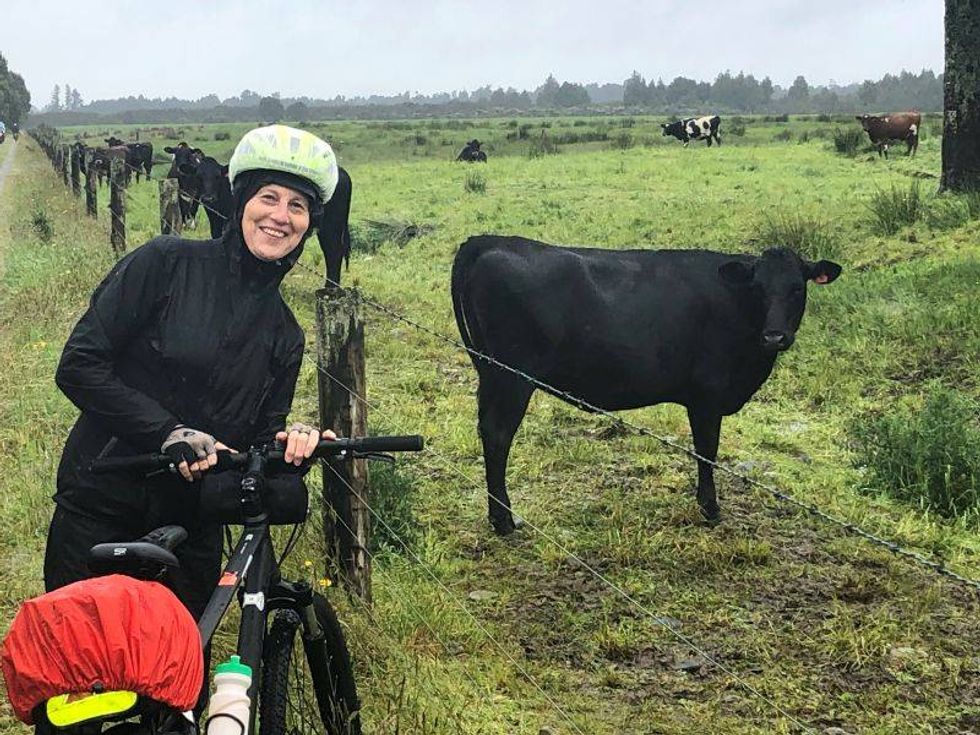 Greymouth, New Zealand, 2024
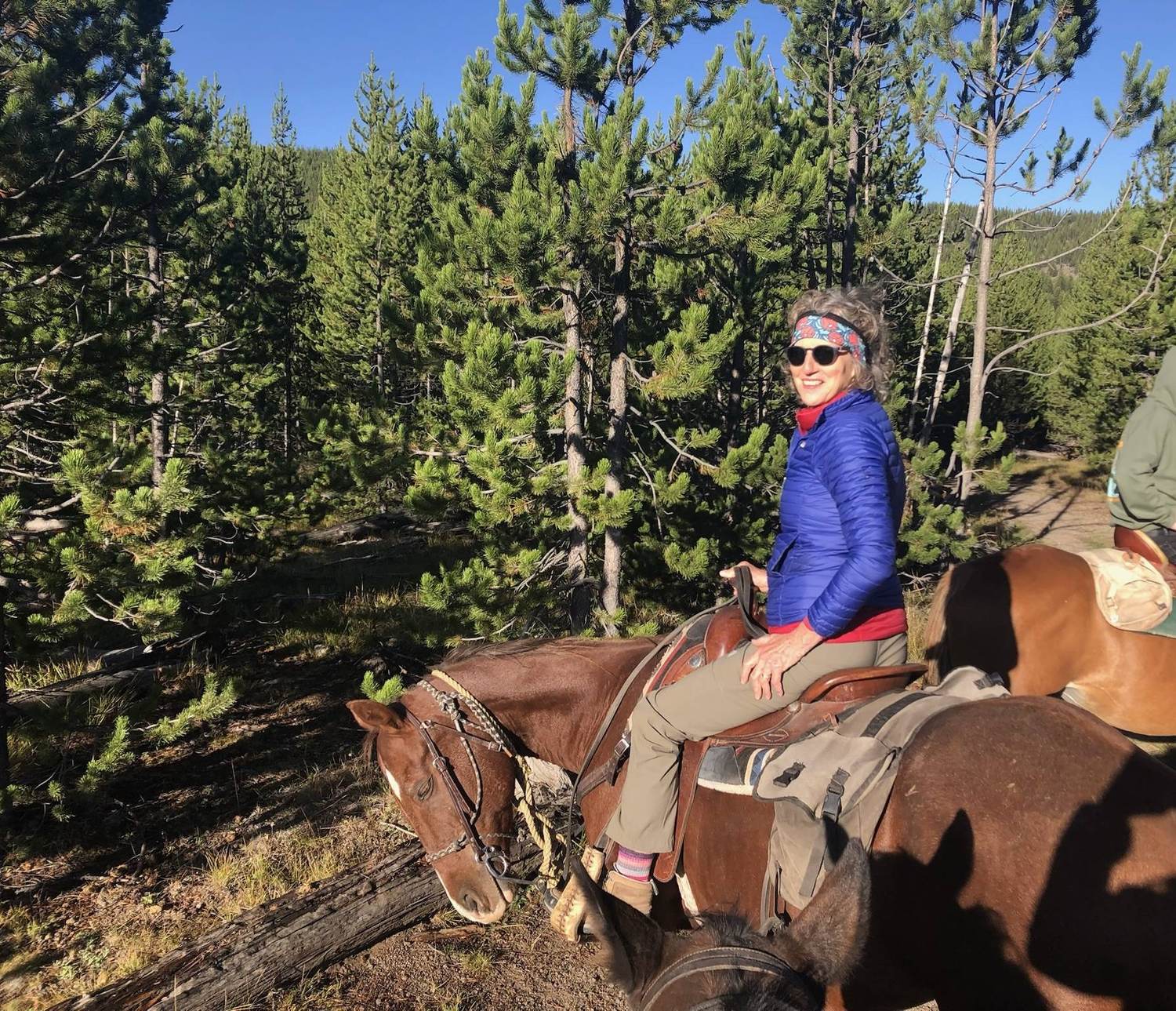
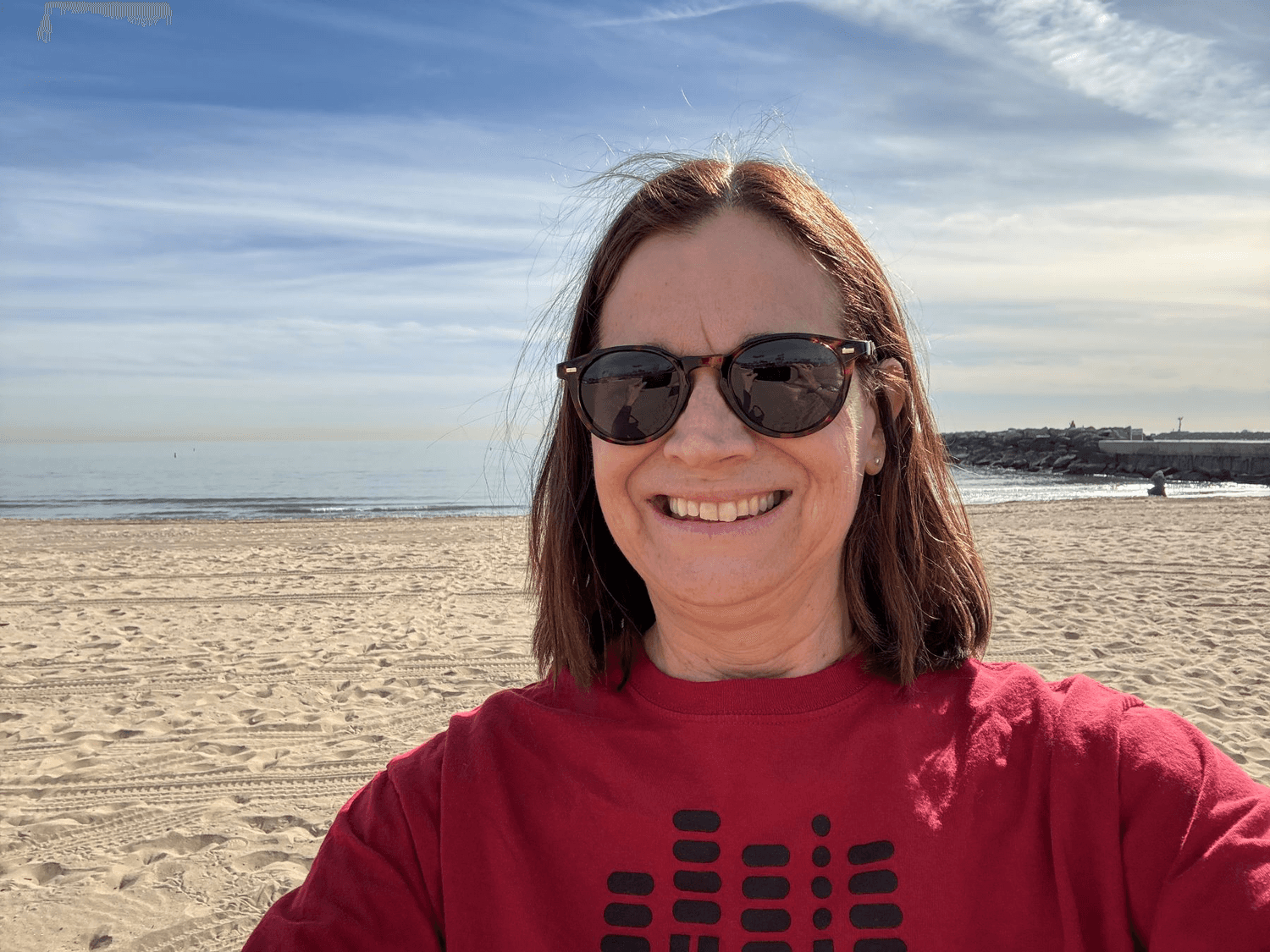
My osteoporosis is being managed effectively with bone-building and bone-maintaining medications. I’ve adjusted my medication to address my calcium levels, and I feel strong and confident to bike wherever I’d like. In fact, last fall, I biked through New Zealand.
I’m 16 years past my wrist fracture and my bones are getting stronger — not weaker — with each passing year. I’m grateful they’re strong enough to take me all over the world.
This educational resource was created with support from Amgen and UCB.
Have your own Real Women, Real Stories you want to share? Let us know.
Our Real Women, Real Stories are the authentic experiences of real-life women. The views, opinions and experiences shared in these stories are not endorsed by HealthyWomen and do not necessarily reflect the official policy or position of HealthyWomen.




Popular
1
2

3
4
5
6
Support Our Mission
Keep Trusted Women’s Health Information Free
Your donation ensures every woman continues to have access to credible health content.
More Stories



Everything you need to know about women’s health — in one place.
