
Search
Latest Stories
Newsletter Sign-Up
Newsletter
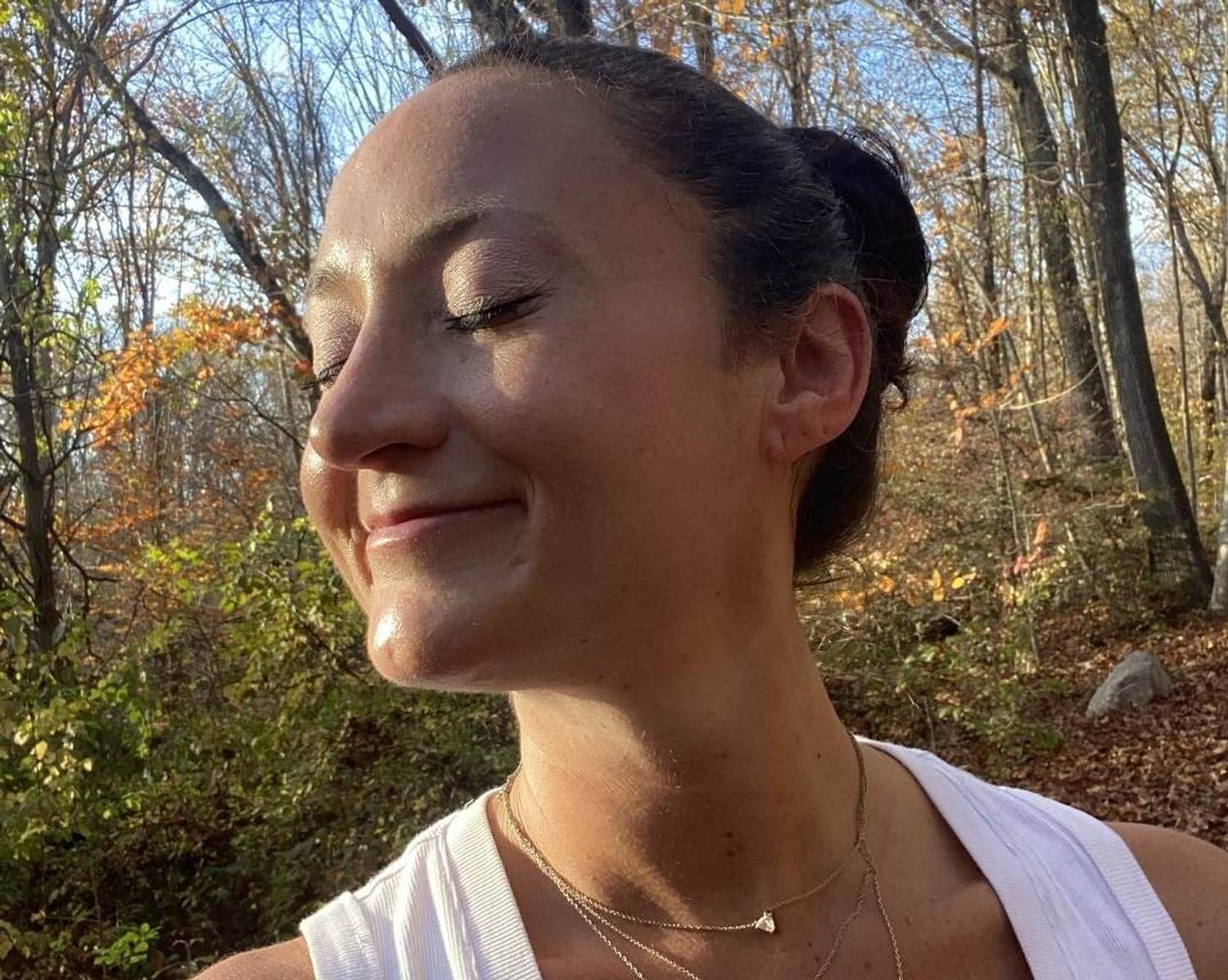
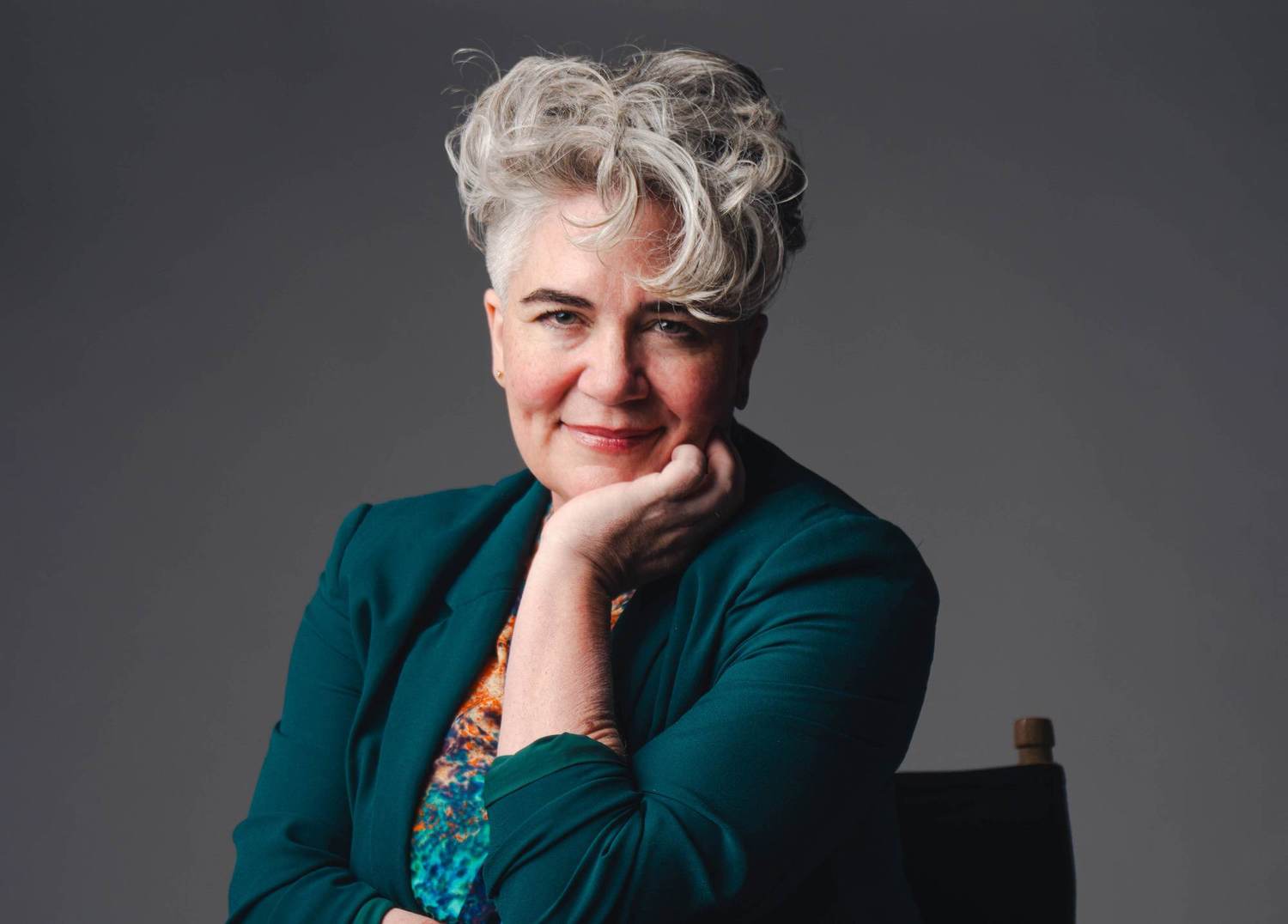
As told to Jacquelyne Froeber
I was at work when my cell phone rang.
“You have endometrial cancer,” said the doctor on the other end.
I felt all the blood drain from my body. I opened my mouth to say, “You must have the wrong number,” but no words came out. I was in shock.
My mind raced. I wasn’t waiting for any test results. But earlier that week, I’d had surgery to remove polyps from my uterus to prepare for my upcoming IVF.
I was preparing for life. I wasn’t prepared for cancer.
The silver lining that day was that my OB-GYN was also an oncologist and I was able to get in to see him right away. The bad news: He recommended a full hysterectomy.
Sitting in his office, I felt the enormity of the situation all at once — sadness, grief and anger. I mourned the life he said I couldn’t have. And if I did survive, having a life I didn’t intend.
But there was hope. He said I could opt for fertility-sparing treatment, which included taking an oral medication to see how it would affect the cancer. He said I only had a limited amount of time to try the treatment and I would have to have the hysterectomy eventually. Since I wanted to try to get pregnant it was the only option for me.
With IVF on the back burner, I started treatment right away. Almost immediately, the side effects listed on the label became real. I was at home watching TV when a boiling hot heat started in my core. I watched in disbelief as a red line formed on my right hand and traveled up my arm and eventually covered my whole body. It was like something out of a Marvel movie. The heat was so intense I wondered if I should go to the hospital. That was my first experience with hot flashes — but definitely not my last.
I quickly learned that there were a lot of things about my body I couldn’t control. Before my diagnosis, I was always full of energy and on the go. But the treatment caused extreme weight gain and fatigue. I was so tired I had to nap every day around 2 p.m. in the office and hoped no one saw me. My body felt like I’d been run over by a bus.
I was also having a hard time opening up to other people. It just didn’t feel right to talk to friends or family about cancer. They all meant well, of course, but they really didn’t get it. My healthcare advocate told me about cancer support groups at Gilda’s Club New York City, so I decided to go.
Even though I felt like I didn’t belong at first, everyone embraced me immediately. I didn’t have to say anything. We were all bonded by the sadness — the fear — that’s universal with cancer. The support groups helped me through some of the toughest days and lifted my spirit in ways I didn’t think was possible.
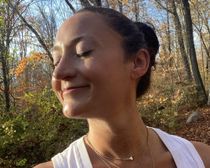
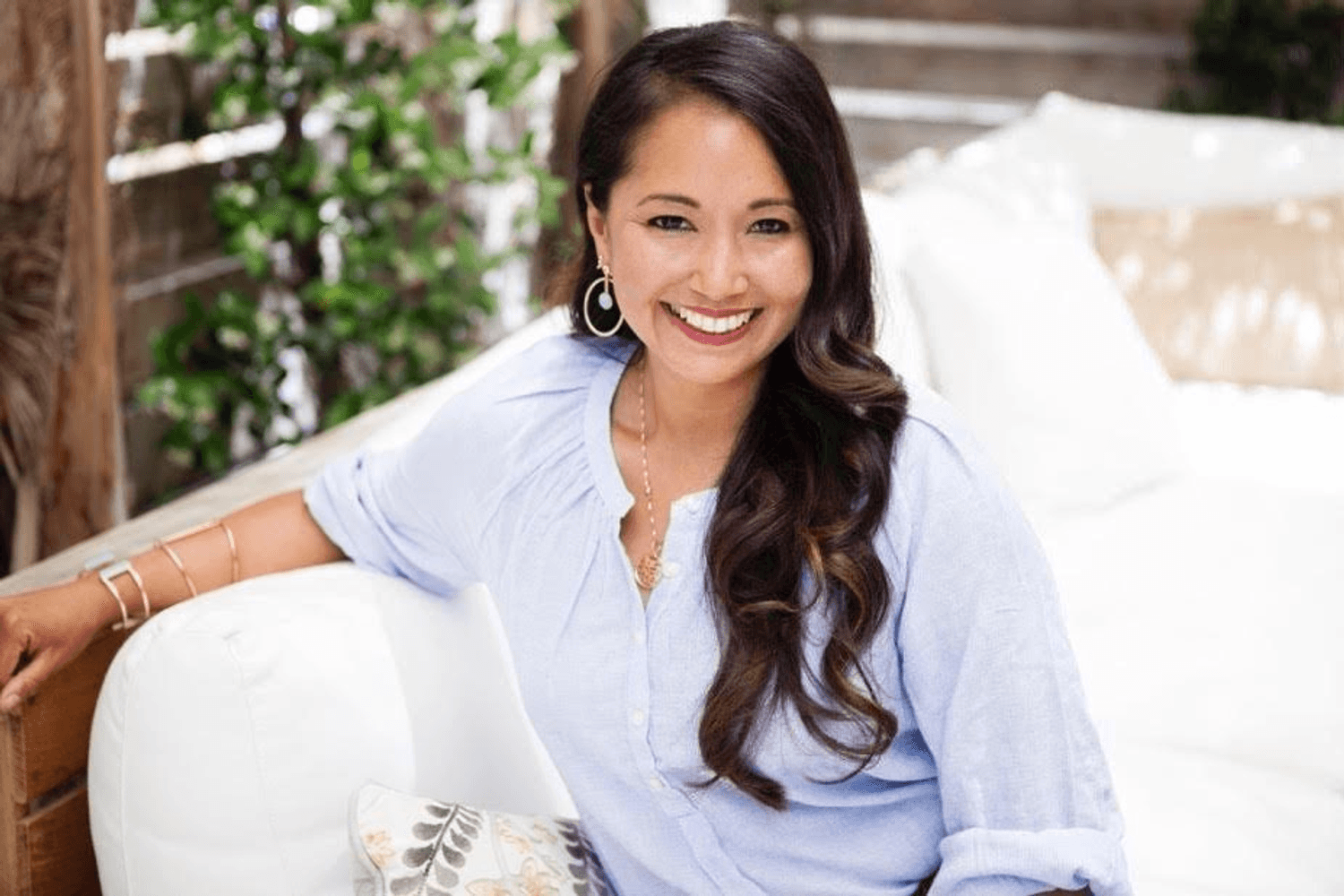
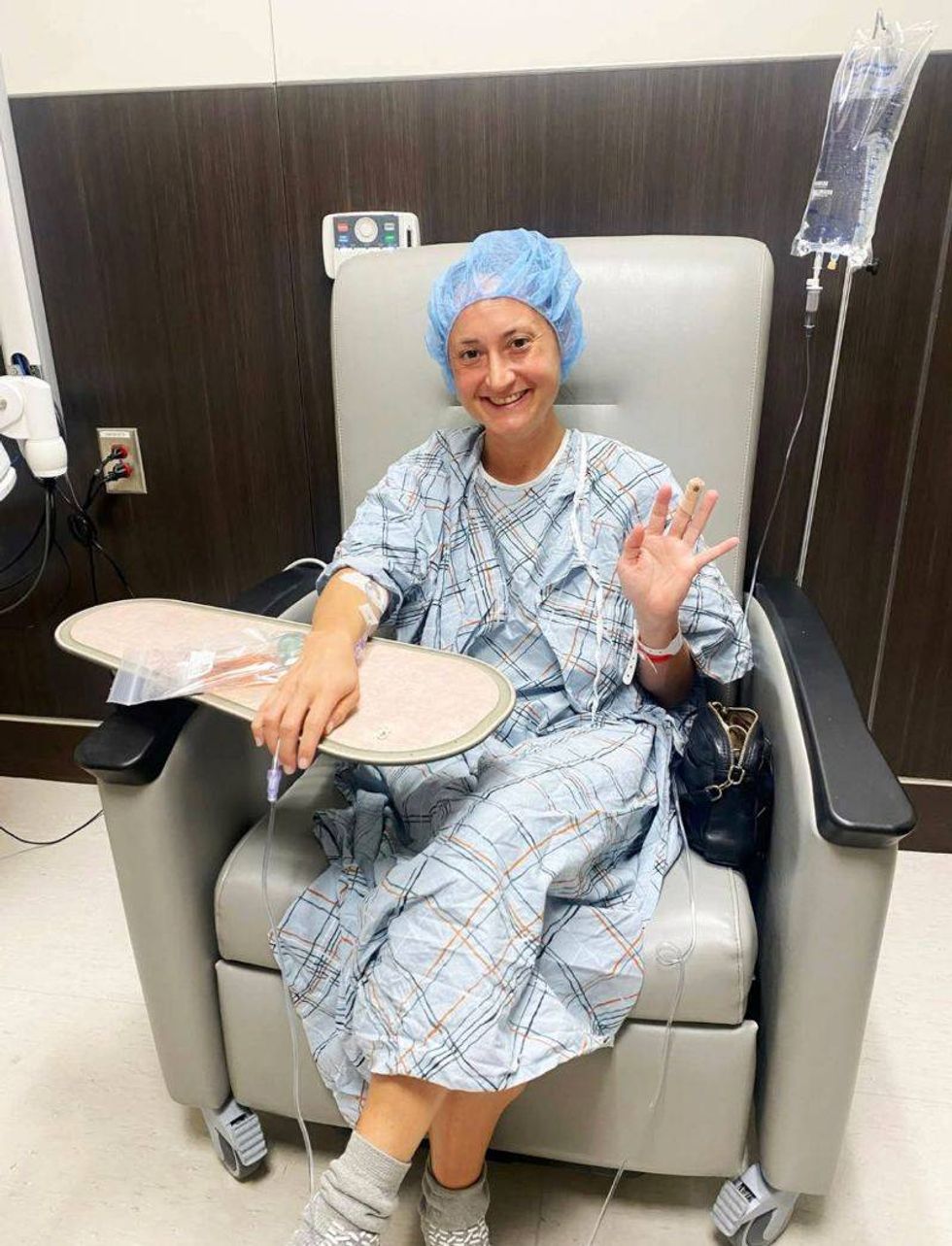 2019 (Photo/Karen Gerard)
And I needed all the support I could get. Every two months I was getting biopsies to track any changes and/or cancer growth. Every biopsy meant going under anesthesia, taking time off of work and all the stress that comes with surgery.
But after a year, there was no change. My doctor said the treatment wasn’t working and we needed to move forward with the hysterectomy unless my next biopsy was clear.
On the subway ride home, I had tears streaming down my face. A wave of grief washed over me — I felt so alone and defeated. All of my dreams had suddenly disappeared. I was shattered.
And then I heard my inner voice. The message was loud and clear: I was powerful — more powerful than I even realized. And I chose to believe it.
Since I knew that hormones can fuel the disease, I switched to a plant-based diet to avoid the hormones in animal products. I read all the books I could on going vegan and tried to eat as clean as possible. It wasn’t easy — I loved a good cheeseburger — but avoiding any extra hormones was something I could do.
I also leaned into that inner voice through meditation. I learned to let go of some of the anger I was holding on to and I embraced a more healing energy.
The day of the biopsy, I was beyond nervous. And waiting for the results felt excruciating. Finally, I was in my doctor’s office when I got the amazing news: I was cancer-free.
That was seven years ago, and I’m still in remission. I never did go back to IVF and ultimately made the tough decision to have the hysterectomy to avoid future complications.
I’m so grateful that my IVF journey led to my early diagnosis of endometrial cancer. I didn’t have any symptoms — no abnormal bleeding — and I was 38 years old — much younger than the average age for this type of cancer. Who knows how much time may have passed if I hadn’t gotten the polyp surgery?
I rarely think about cancer and that time in my life, but the lesson I learned — to listen to myself and do what I think is right for me — is always with me. Healthcare providers are wonderful of course, but you are really the only expert on you. Listen to your inner voice. We are all so much more powerful than we think.
This educational resource was created with support from Merck.
Have your own Real Women, Real Stories you want to share? Let us know.
Our Real Women, Real Stories are the authentic experiences of real-life women. The views, opinions and experiences shared in these stories are not endorsed by HealthyWomen and do not necessarily reflect the official policy or position of HealthyWomen.




Popular
1
2
3

4
5
6
Support Our Mission
Keep Trusted Women’s Health Information Free
Your donation ensures every woman continues to have access to credible health content.More Stories
Everything you need to know about women’s health — in one place.
