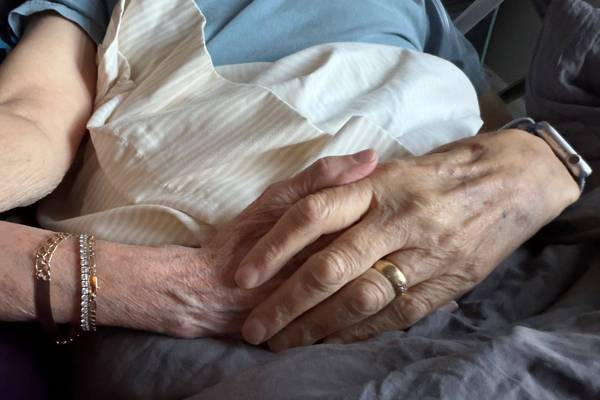

Video/Image | Voiceover/Audio |
A man and a woman walking, holding hands | Prostate cancer treatment can save lives — but it can also change a couple’s sex life. |
GRAPHIC: Empty bed SUPER: Sexual changes are common: Erectile dysfunction Changes in desire Trouble reaching orgasm Changes in pleasure | Depending on the person and treatment, prostate cancer treatment can cause erectile dysfunction, changes in sexual desire, trouble reaching orgasm or changes in what feels pleasurable. And these changes can affect both partners. |
SUPER: It’s OK to have complicated feelings | You might feel grateful your partner survived cancer, while also grieving the sex life you had before. |
GRAPHIC: Man looking anxious or ashamed GRAPHIC: Man and woman lying in bed, both staring at the ceiling | Your partner may experience anxiety or shame about changes in sexual function. And you may hesitate to initiate sex because you’re worried about putting pressure on them. |
GRAPHIC: Man and woman, talking on a couch | Talking openly about these feelings can help. |
SUPER: Sex doesn’t have to mean intercourse | Intimacy after prostate cancer may also mean expanding your definition of sex. Kissing, touching, sensual massage, oral sex, mutual masturbation and using sex toys can all be ways to experience pleasure and connection. |
| GRAPHIC: man and woman holding hands, hiking together, talking in a romantic restaurant | Holding hands, hugging, quality time and conversation help foster intimacy too. Instead of focusing on what your sex life used to look like, talk about what feels good now. |
SUPER: Ask for help Side effects Treatment options Resources GRAPHIC: Couple on a couch in a therapist’s office (with a therapist) | And you don’t have to figure it out alone. Before, during and after treatment, ask your clinician about sexual side effects, treatment options and sexual-health resources. Visiting a sex therapist can also help. |
GRAPHIC: Couple snuggling in bed | Prostate cancer may change your sex life. But change doesn’t have to mean the end of intimacy. Communication, flexibility and support can help couples find new ways to connect. |
For more information, please visit HealthyWomen.org/sex-and-relationships | |
This resource was created with support from Bayer.
- Good Sex with Emily Jamea: Women and Sex After Cancer - HealthyWomen ›
- My Husband’s Prostate Cancer Is Terminal, but that Hasn’t Put an End to Our Love for Each Other ›
- Prostate Cancer Taught My Husband and Me What Real Intimacy Is ›
- Good Sex with Emily Jamea: Reclaiming Sexual Intimacy After Prostate Cancer ›
- After Prostate Cancer: What Women Should Know About Sex, Intimacy and Their Partner’s Recovery ›