

Search
Latest Stories

Newsletter Sign-Up
Newsletter
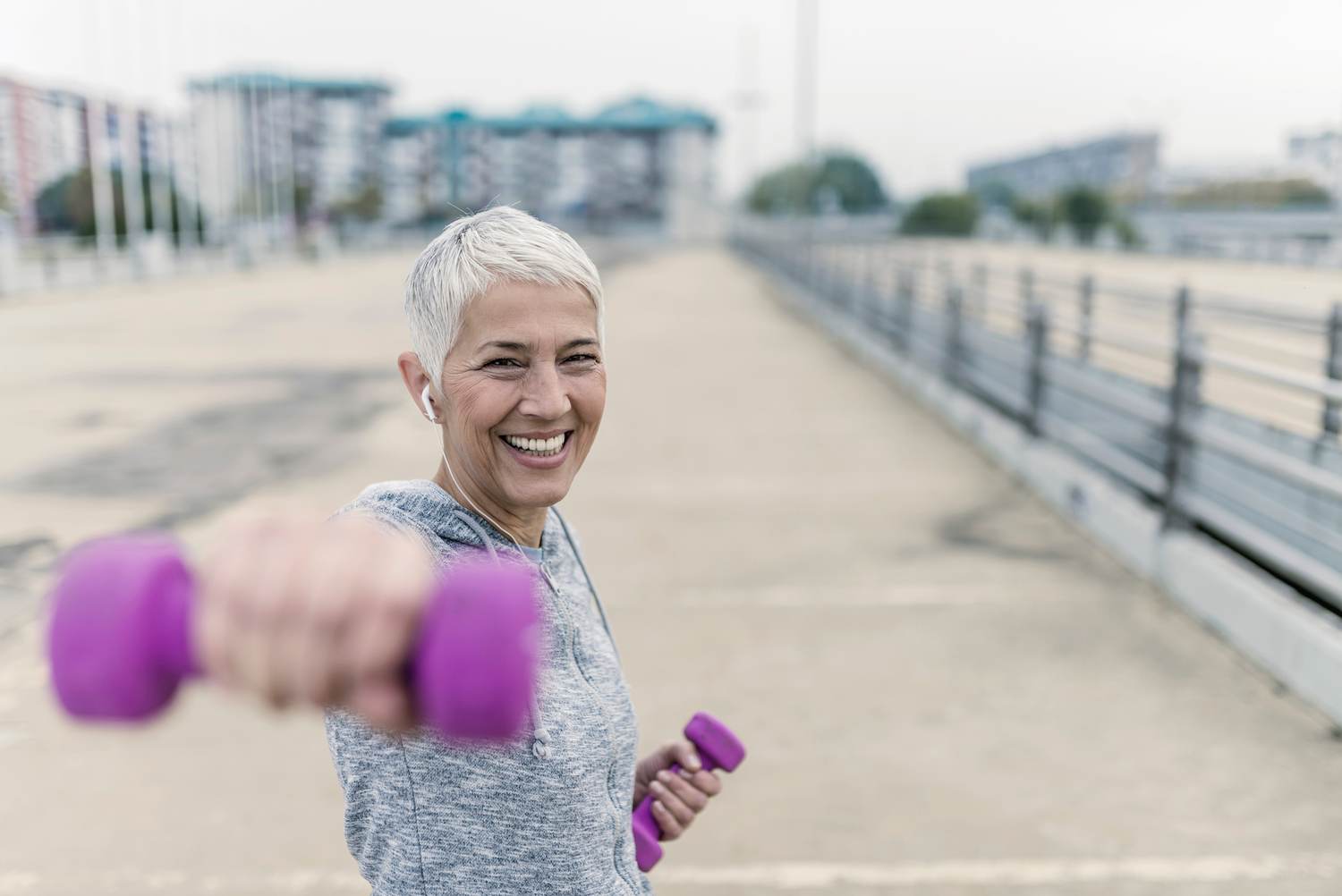

The mission of the American Council on Exercise (ACE) is to get people moving.
By Dr. Erin Nitschke
There may not be a tangible fountain of youth that promises eternal life and continuous health, but we hold more power than we may realize in the daily choices we make and the habits we adopt and maintain throughout our lives.
Living an active and balanced lifestyle that includes a combination of aerobic, muscular strength, and flexibility exercises helps ward off a range of diseases, slows the rate of muscle tissue loss and improves activities of daily living. Here are some of the cardiovascular and cognitive benefits that come with living a healthy lifestyle.
The Cardiovascular Benefits
The heart and lungs naturally experience a reduction in efficiency and strength over time; this is especially true in sedentary populations. With advancing age, the heart must work harder to accomplish the same amount of work, both at rest and during activity. Resting heart rate also declines at a rate of one beat per minute each year (Murray and Kenney, 206). Similarly, the lungs lose some of their ability to supply adequate amounts of oxygen to the working tissues and organ systems. Regular exercise, however, helps increase systemic blood flow and oxygen supply.
Becoming and remaining physically active and incorporating aerobic exercise (walking, aquatics, cycling, etc.) can lower and control blood pressure, which reduces the overall stress on the heart. Activity also can help lower cholesterol levels and prevent atherosclerotic build up in the arteries. Further, individuals who remain active reduce their risk of all-cause mortality and premature death from preventable diseases. So, while you may not be able to outlast Father Time, you can certainly walk far enough ahead that it makes it difficult for him to catch you.
The Cognitive Benefits
The brain is a truly remarkable puzzle. In fact, modern medicine could study the brain indefinitely and still not learn everything there is to know about its mysterious network. The brain is continually changing in size and functionality. Typical age-related changes include a decrease in brain weight and size (not significant, but still a reduction), network size and blood supply. The aging brain also experiences memory loss, a decrease in inductive reasoning skills and mental acuity, a decrease in spatial awareness and the development of balance issues.
No one is immune to changes in the brain, but exercise and physical activity (along with proper diet) significantly slows the rate of cognitive dysfunction. Think about it in these terms—what’s good for the heart, is also good for the brain.
Overall, exercise improves memory, enhances thinking and problem-solving skills, boosts brain supporting hormones, enhances blood and oxygen flow to the brain, acts as a natural anti-depressant and stress reliever, and it improves focus, allowing you to concentrate on difficult or challenging tasks. In short, keep on your toes to keep the mind sharp.
The Truth of the Matter
Exercise is and will always be one of the primary keys to living well across the lifespan. We cannot stop or reverse the circle of life, but we can influence how we experience that journey. And it’s never too late to start making healthy choices to better your future.
References
Murray, R. and Kenney, W.L. (2016). Practical Guide to Exercise Physiology . Champaign, Ill.: Human Kinetics.
A version of this article originally appeared on ACEFitness.org.






Popular
1

The Skinny on Microdosing GLP-1 Drugs
Mar 06, 2025
2

Microdosing Mushrooms — Magic or Meaningless?
Oct 03, 2024
3
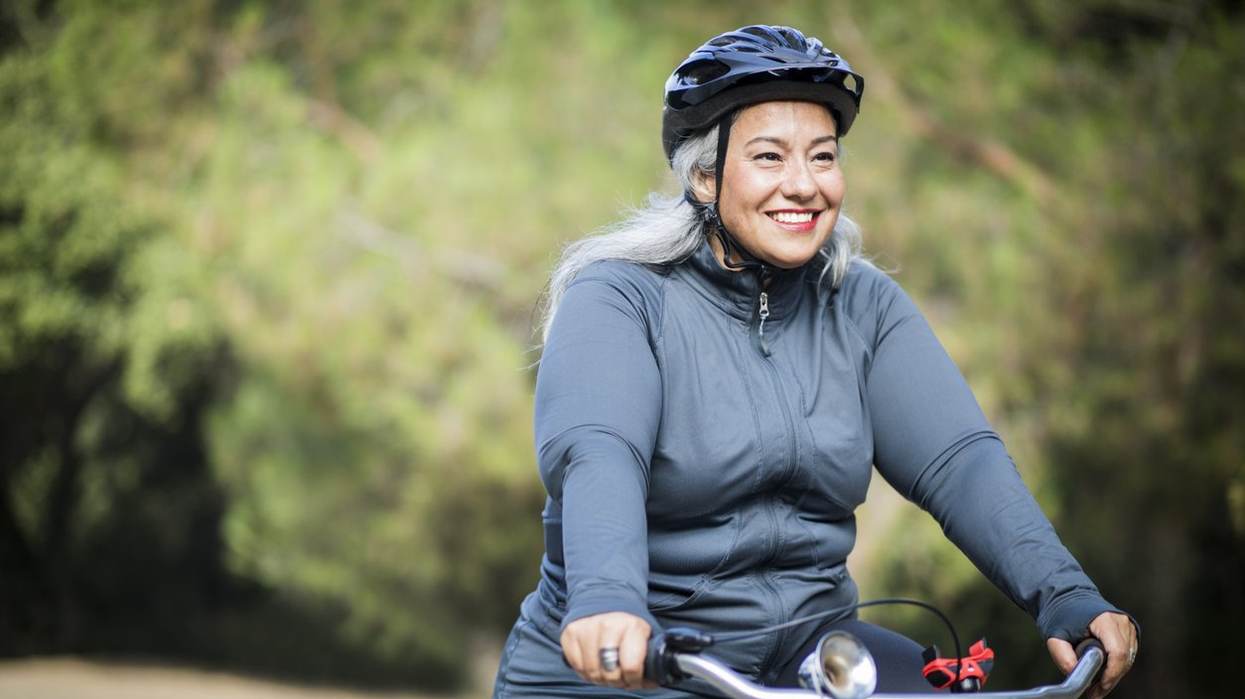
Top 10 Ways to Burn 200 Calories in Under an Hour
Feb 23, 2015
4
What’s the Big Deal About Berberine?
Jul 28, 2026
5
7-Day Detox Plan to Kick-start Your Metabolism
Feb 04, 2015
6
Face Yoga 101
Jul 11, 2023
Support Our Mission
Keep Trusted Women’s Health Information Free
Your donation ensures every woman continues to have access to credible health content.More Stories


Everything you need to know about women’s health — in one place.