
Search
Latest Stories




Newsletter Sign-Up
Newsletter
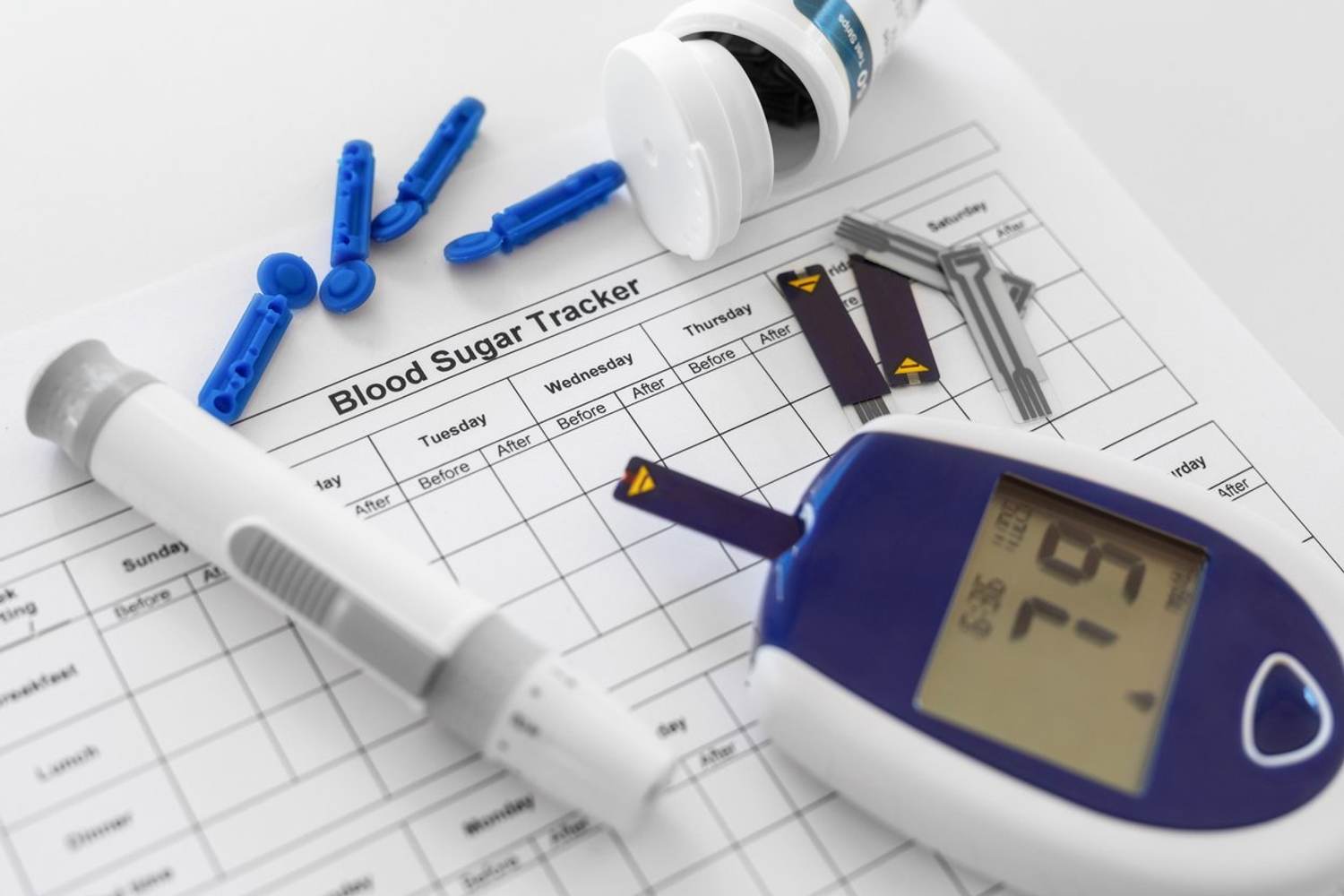
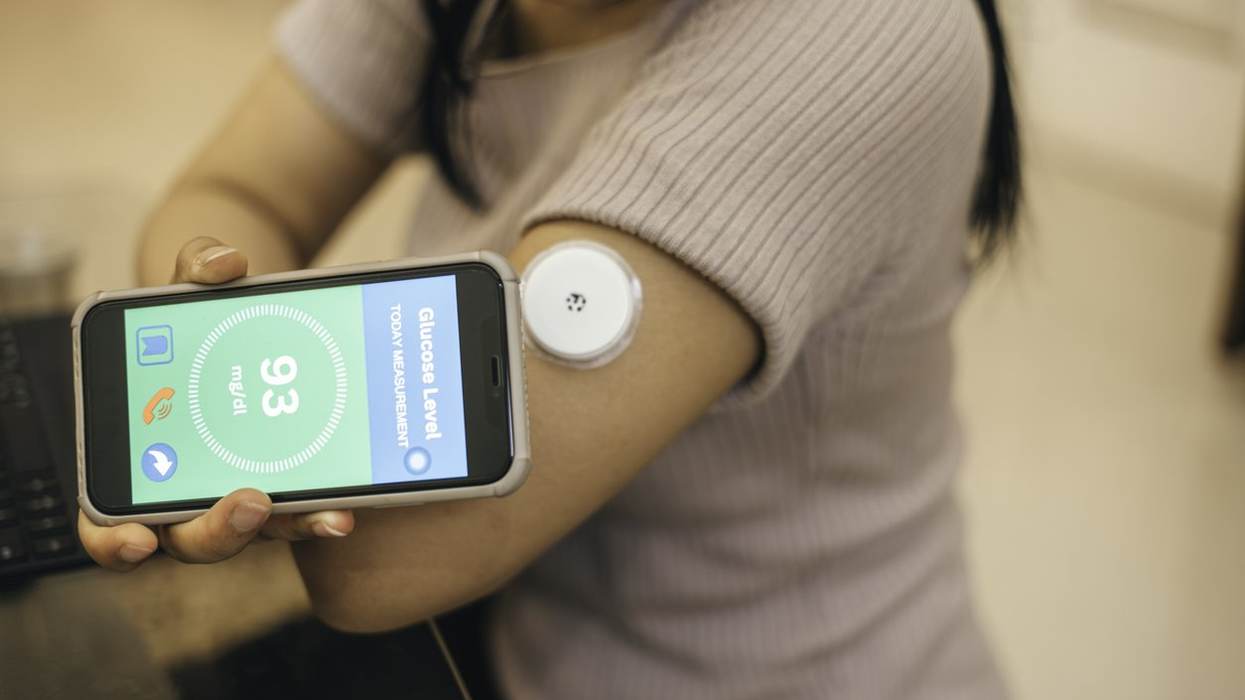
If you don't have diabetes, why do you need to think about your blood sugar levels?
It's simple: Blood sugar problems don't happen overnight. And, as your blood sugar rises, not only does your risk of developing diabetes increase, but so does your risk of coronary heart disease.
Here's what everyone needs to know about blood sugar levels:
- Blood sugar, or glucose, provides vital energy to all our cells. The hormone insulin, produced in the pancreas, helps glucose get into those cells.
- Blood sugar levels rise and fall to balance your body's needs: up after eating, down when you need to eat.
- When blood sugar rises too high, it causes insulin resistance and prevents glucose from delivering its energy properly. Insulin resistance increases when you're overweight, especially if you carry extra weight in your mid-section.
- Only medical tests can show if you have a healthy blood sugar level. You may be tested after not eating (fasting) for a specific amount of time. Fasting blood sugar levels:
- Normal: 70 to 99 mg/dl
- Prediabetic: 100 to 125 mg/dl
- Diabetic: 126 mg/dl or above
- To achieve or maintain a healthy blood sugar level:
- Lose weight if you are overweight.
- Take a few minutes to walk every day. Work up to 30 minutes a day.
- Eat more fiber from oatmeal, whole grains, fruits and vegetables, beans and legumes to better control blood sugar levels.
- Reduce your use of sugary foods and drinks as well as refined starches, such as white bread, white rice and white pasta.
- Cut total fat intake to less than 30 percent of your daily calorie total, with saturated fat under 10 percent.
- Do you have a chronic condition such as asthma and other lung problems, diabetes, kidney or heart disease, or a weakened immune system?






Popular
1
2

The Skinny on Microdosing GLP-1 Drugs
Mar 06, 2025
3

Sugar High
Dec 28, 2021
4

5
Diabetes
Sep 16, 2009
6
The Top 5 Foods That Reduce Inflammation
Apr 05, 2021
Support Our Mission
Keep Trusted Women’s Health Information Free
Your donation ensures every woman continues to have access to credible health content.
More Stories




Everything you need to know about women’s health — in one place.