

Search
Latest Stories



Newsletter Sign-Up
Newsletter
By Liliana Losada Brown, PhD, Associate Director, Scientific Programs at the Society for Women's Health Research
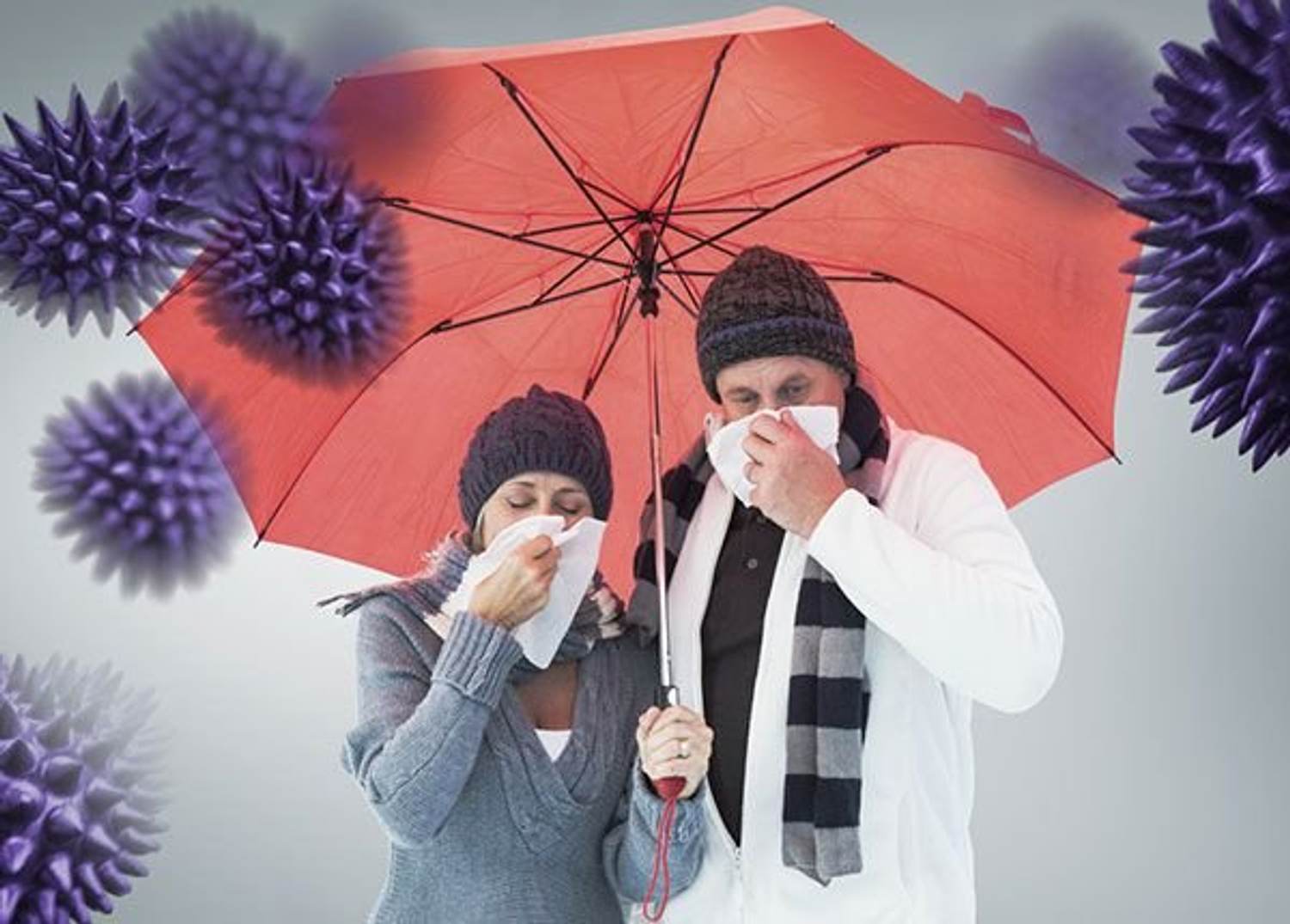
Did you know that more women get sick from salmonella than men? Or that men are more likely to develop staph infections? These are just two examples of the many infectious diseases that impact women and men differently.
Even though a new wave of research on these differences is paving the way to develop better prevention strategies, more work needs to be done to get this information into the hands of health care providers.
Differences in infectious diseases between women and men are commonly thought to develop from lifestyle choices including food choices, day-to-day activities, occupation, smoking and whether you choose to see a medical professional when you get sick.
For instance, more women get salmonella infections in the United States because more women than men choose to eat raw fruits and vegetables, which contain potentially harmful bacteria that have not been killed by cooking. A reason staph infections are higher in men could be that more men play contact sports, leaving them with scrapes and cuts that weaken the skin's normal protection.
Some occupations that have a gender bias—like nursing or mining—also put people at risk unevenly. For example, up to 75 percent of Ebola deaths in some countries were women, because women made up the majority of nurses and caregivers for ailing family members. In contrast, two-times more men than women have tuberculosis (TB) around the world, stemming from men's more frequent exposure to lung-damaging toxins because of being employed in occupations like mining or construction, and smoking cigarettes more than women do. However, smoking rates are on the rise in young women around the world, thereby increasing their risk of TB.
Thus, to be effective, screening for and prevention of TB and other infectious diseases must account for sex and changing patterns in lifestyle choices.
New studies show that our biological sex also influences our risk of contracting an infectious disease. Research suggests that women fight off infection more effectively than men, giving women an "immunological privilege." This privilege might be due to the fact that women carry two X chromosomes, compared to men who have one X and a Y. The X chromosome carries genes that are essential to the immune system. However, because a single X chromosome in every cell is randomly inactivated in a woman's body, including in immune cells, it is possible that having two X chromosomes offers additional alternatives that result in better protection from invading pathogens.
Similarly, sex hormones—especially estrogen—help regulate the immune responses, so higher levels of estrogen in women may result in more versatility in protection. Recently, researchers found that testosterone itself lowered the immune reaction against influenza, which can place men at higher risk. Interestingly, for many infectious diseases, including staph, older women are at a higher risk than older men (in contrast to those young athletes mentioned earlier), suggesting that their immunological privilege might disappear after menopause.
The effects of changing hormone levels across a woman's life relating to their risk of contracting infectious diseases are not yet understood. Research continues in that area.
We need to better understand how our biological sex and our behaviors affect our risk of getting sick from infectious diseases. With better understanding comes better prevention and more targeted public health campaigns.
More awareness will also encourage researchers to study sex differences in infectious diseases, which the Society for Women's Health Research (SWHR) has been advocating for years. Understanding sex differences in infectious diseases can help us learn more about what makes women's and men's immune systems work and how pathogens make us sick thereby leading to personalized treatments and prevention. SWHR is dedicated to promoting research on sex and gender differences in diseases. Click here to learn more about our work on infectious diseases.
Follow Society for Women's Health Research on Twitter at www.twitter.com/SWHR
MORE:
Health
Women's Health
Infectious Diseases
Disease
Ebola
EBOLA
Salmonella
Staph Infection
Tuberculosis
Tb






Stories We Love
Support Our Mission
Keep Trusted Women’s Health Information Free
Your donation ensures every woman continues to have access to credible health content.
More Stories





Everything you need to know about women’s health — in one place.