

Search
Latest Stories


Newsletter Sign-Up
Newsletter


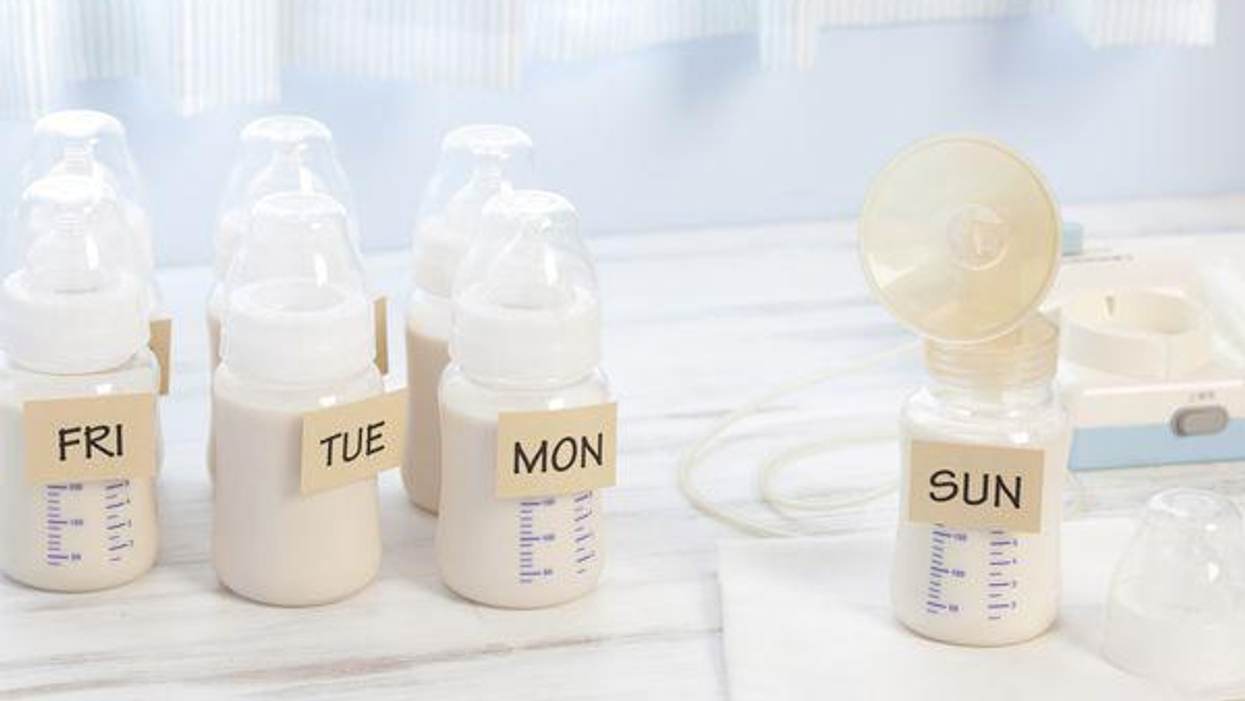
oksun70TUESDAY, Oct. 31, 2017 (HealthDay News)—New research confirms that breastfeeding for two to four months of a newborn's life can significantly reduce the risk of sudden infant death syndrome (SIDS).
But the study also found moms don't need to breastfeed exclusively to reap that benefit. Even partial breastfeeding will do, the 20-region study found.
Learn More: Breastfeeding Tips for New Moms
"What is, perhaps, surprising is that there does not appear to be any benefit of exclusive breastfeeding over partial breastfeeding in relation to SIDS, though there are many other benefits associated with exclusive breastfeeding," explained study author John Thompson, from New Zealand's University of Auckland.
The analysis included research from eight major international studies. The researchers reviewed over 2,200 SIDS case patients and over 6,800 "control" infants. There was great variability in the rates of any breastfeeding and exclusive breastfeeding, the findings showed.
While the research concluded that breastfeeding for at least two months was associated with half the risk of SIDS, breastfeeding for four months provided even greater protection, and continuing after that time provided further small increases.
"The peak incidence of SIDS is from two to four months, so this may be the most critical period in terms of the protective effect of breastfeeding," Thompson said.
For moms who struggle with breastfeeding, this research may provide a great comfort, knowing that some breast milk is better than none, said Dr. Jennifer Kurtz. She is chief of neonatology at Long Island Jewish Forest Hills in New York City.
"A lot of moms really struggle with breastfeeding, and after those first two months they may not be able to exclusively breastfeed," Kurtz explained.
"Many don't have great milk supplies to begin with, and as the baby grows they need more milk and the moms aren't able to keep up with the demand," she said.
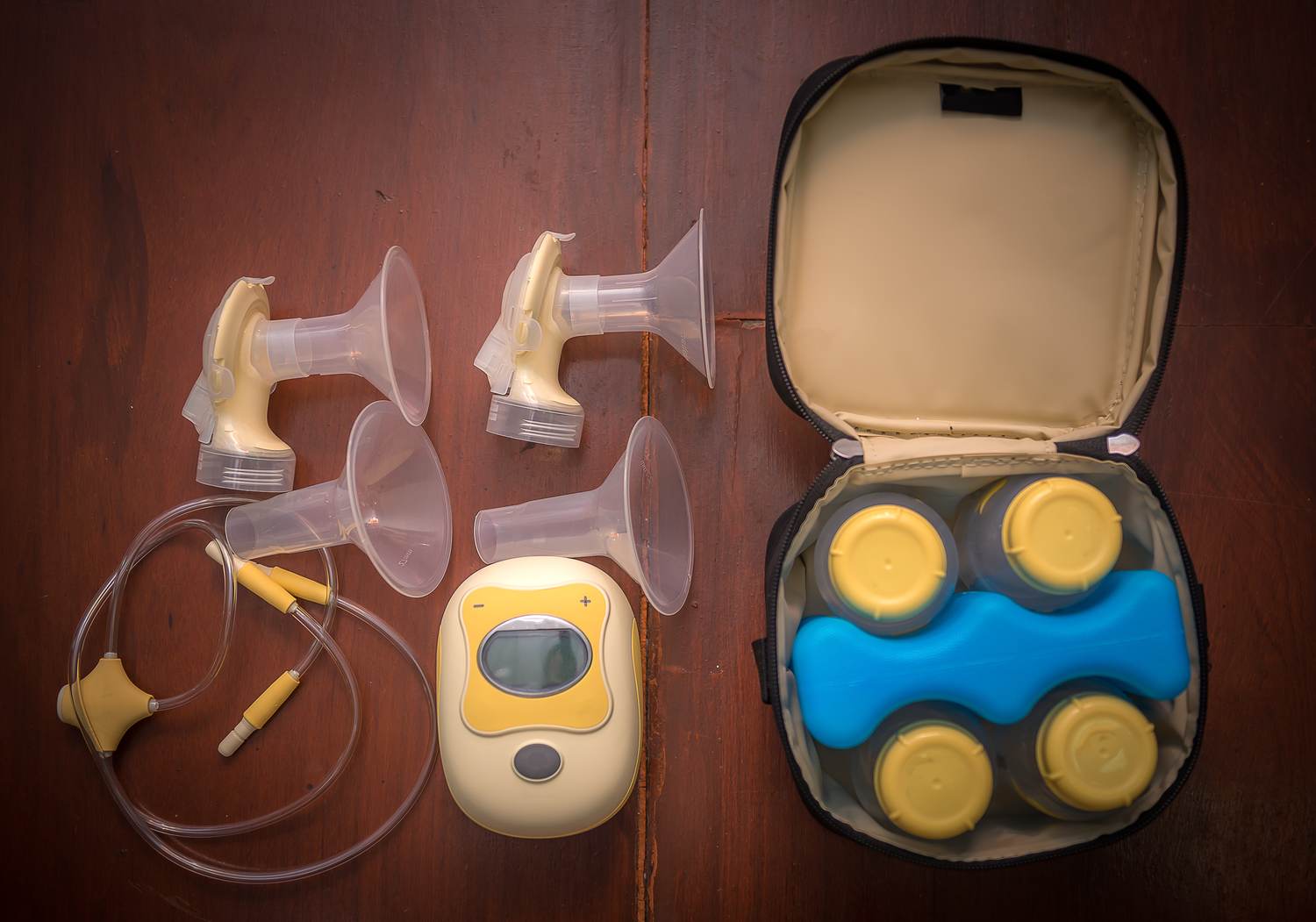
"Or, moms may also struggle if they need to go back to work. For a lot of working women it's stressful to carry a pump and create a schedule. With some jobs it's not easy to set aside time to pump, and it really becomes a challenge," Kurtz added.
It's still unclear how breastfeeding might offer protective effects against SIDS, but there are several theories, the study authors said.
Some research has indicated that breastfed infants are more easily aroused from sleep than formula-fed infants, which might help them to wake if they're having trouble breathing.
Differences have also been found in a mother's response to her infant's behavioral cues, depending on feeding mode, which may also affect the baby's sleep and arousal patterns.
Additionally, research has shown that breastfeeding provides immune benefits that help prevent viral infections. Such infections are associated with an increased risk of SIDS, the study authors said.
Whatever the reason, "this (study) provides very strong evidence of the benefits of breastfeeding in relation to the protective effects with SIDS," Thompson noted.
"This will hopefully provide more emphasis on public health efforts to increase the initiation and continuation of breastfeeding around the world," he added.
Both Thompson and Kurtz pointed out that while breastfeeding is preferable for the first four months to help decrease the risk of SIDS, it shouldn't stop there, if possible.
They advised following the American Academy of Pediatrics' recommendations that breastfeeding continue for at least 12 months, and thereafter for as long as mother and baby desire.
"breastfeeding is good for many reasons," Kurtz said. "You are passing on immunoglobulins for children that help prevent them from getting illnesses, it's a great bonding experience, and children that are breastfed are less likely to be obese or get diabetes."
The study was published online Oct. 30 in the journal Pediatrics.
SOURCES: John M.D. Thompson, Ph.D., University of Auckland, New Zealand; Jennifer Kurtz, D.O., chief of neonatology, Long Island Jewish Forest Hills, Forest Hills, N.Y.; Oct. 30, 2017, Pediatrics, online
Copyright © 2017 HealthDay. All rights reserved.







Popular
1

Don't Panic at Your Child's First Pubic Hair
Dec 14, 2015
2

Pregnancy
Sep 16, 2009
3

Wondering How to Get Pregnant? Try These 5 Sex Tips
Jun 24, 2014
4

Low Progesterone Symptoms
Jun 27, 2024
5

Hysterectomy and Breast Milk Production
Sep 18, 2009
6

How Hormonal Contraception Works
Aug 16, 2023
Support Our Mission
Keep Trusted Women’s Health Information Free
Your donation ensures every woman continues to have access to credible health content.
More Stories







Everything you need to know about women’s health — in one place.